Trump Administration Rolls Back Endangered Species Act Habitat Protections, Further Threatening Whooping Cranes
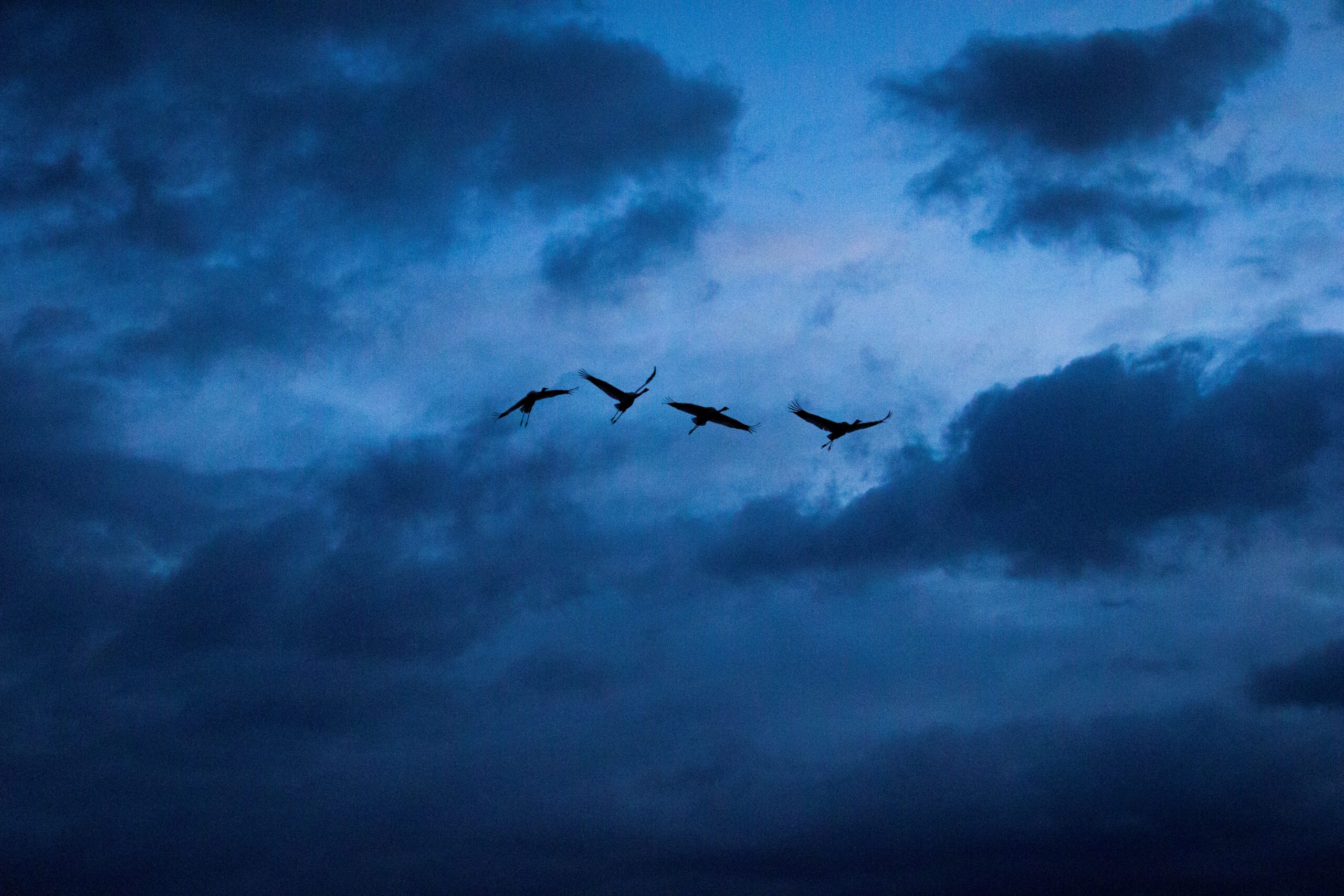
Last Friday, July 10, something happened that strikes at the heart of our mission at the International Crane Foundation. The Trump administration finalized a rule change that fundamentally changes how the Endangered Species Act can be used to protect threatened species like the Whooping Crane and countless others.
For more than five decades, the Endangered Species Act has made clear that preventing “harm” to a species includes preventing the destruction or degradation of its habitat — the loss of wetlands, grasslands, and other natural areas it needs to survive. That interpretation was upheld by the U.S. Supreme Court in 1995.
With the change last Friday, the Endangered Species Act no longer protects those vital habitats. “Harm” is now defined only as causing direct injury to an animal. Habitat destruction is no longer considered unlawful harm unless a protected animal is directly injured or killed. Habitat protection for Whooping Cranes and so many other species under the Endangered Species Act is gone.
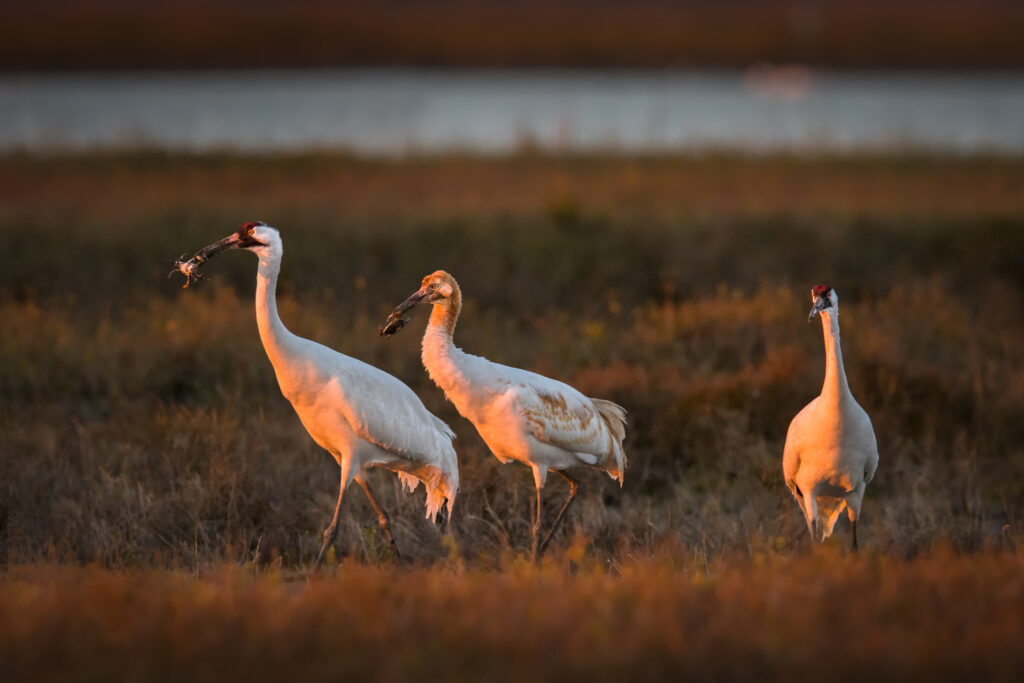
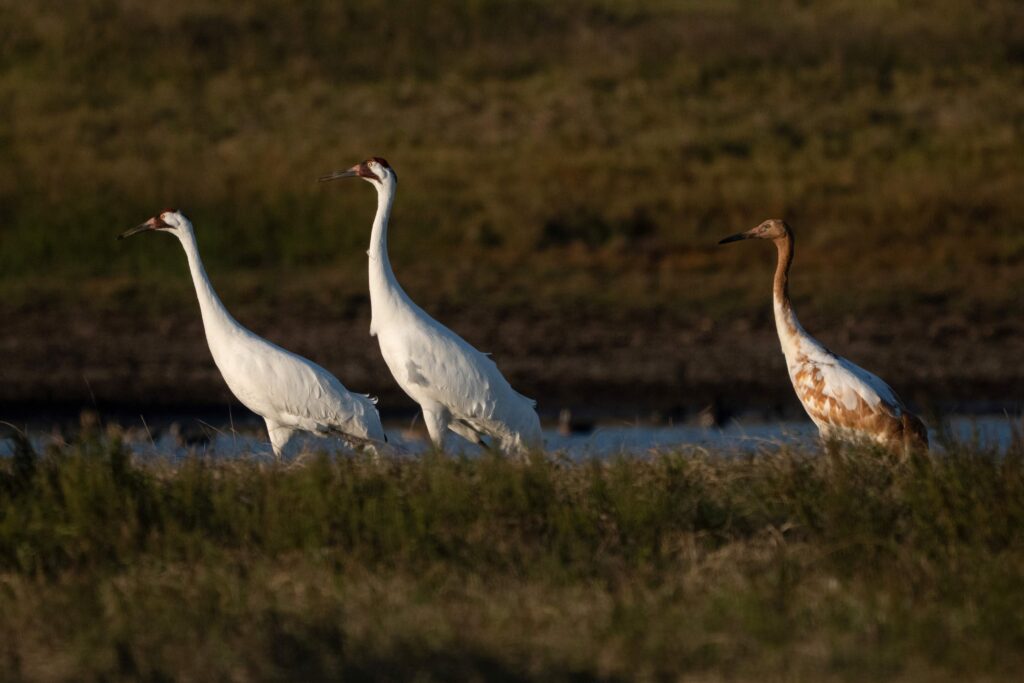
Since the Endangered Species Act was signed into law in 1973, it is credited with saving 99 percent of the species it protects, including the endangered Whooping Crane. At the time, fewer than 50 birds remained in the wild, driven nearly to extinction by unregulated hunting and massive habitat loss. Today, thanks in large part to habitat protections under this law, there are nearly 700 wild Whooping Cranes. That recovery is one of the great American conservation stories, and it is a direct result of this law working exactly as intended. Whooping Cranes are living proof that the Endangered Species Act works.
What Exactly Is Happening with the Endangered Species Act?
You cannot protect a species while allowing the destruction of the places it needs to survive. A Whooping Crane cannot nest in a wetland that has been drained. It cannot feed in a grassland that has been paved over or converted. Removing habitat destruction from the definition of “harm” does not change what actually harms wildlife — it only changes whether the law is allowed to do anything about it.
And protecting the wild places that Whooping Cranes need is vital, too, for hundreds of other lesser-known species that are not listed under the Endangered Species Act but similarly depend on conservation action. We all need these healthy landscapes.
I also want you to know that our work does not stop because of this change. It cannot. The habitat that Whooping Cranes and countless other species depend on still needs defending, one wetland, one prairie, one partnership at a time — and now, with fewer legal tools behind us than we had a few days ago. We will continue to stand with the scientific and conservation community in defense of the habitat protections that make species recovery possible, and we urge decision-makers to reconsider a rule that threatens fifty years of hard-won progress.
Thank you for standing with the cranes, and with us.

Dr. Rich Beilfuss
President & CEO, International Crane Foundation