Zambia Launches US$9 Million GEF 8 Project to Restore Kafue Flats and Strengthen Livelihoods
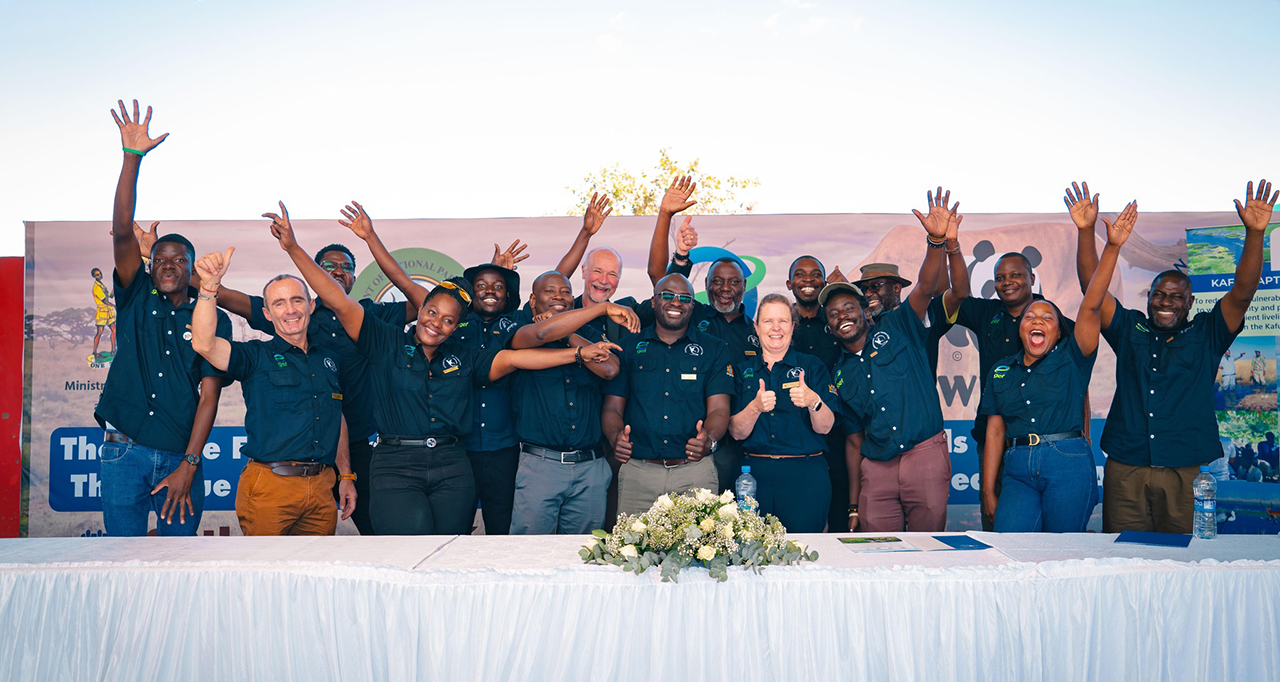
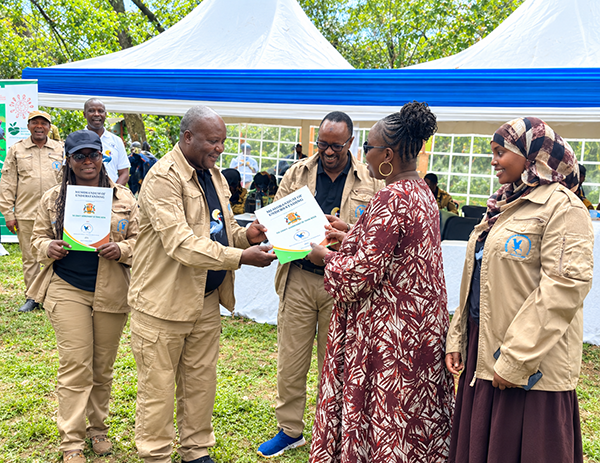
The International Crane Foundation’s Zambia Program staff were joined by our President and CEO, Dr. Rich Beilfuss, and Vice President – Africa Programs, Kerryn Morrison, for the project launch. Jim Ongowo/International Crane Foundation
CONTACT: Jim Ongowo, Communications & Marketing Specialist, East Africa
Monze, Zambia– May 29, 2026 —The Government of the Republic of Zambia through the Ministry of Green Economy and Environment, in partnership with the Ministry of Tourism, the International Crane Foundation and WWF Zambia, has launched a five-year US$9 million Global Environment Facility (GEF) Kafue Flats Project aimed at restoring the Kafue Flats ecosystem, and securing wildlife habitat and species, while improving livelihoods, strengthening climate resilience, and supporting sustainable development for communities across the wetland landscape.
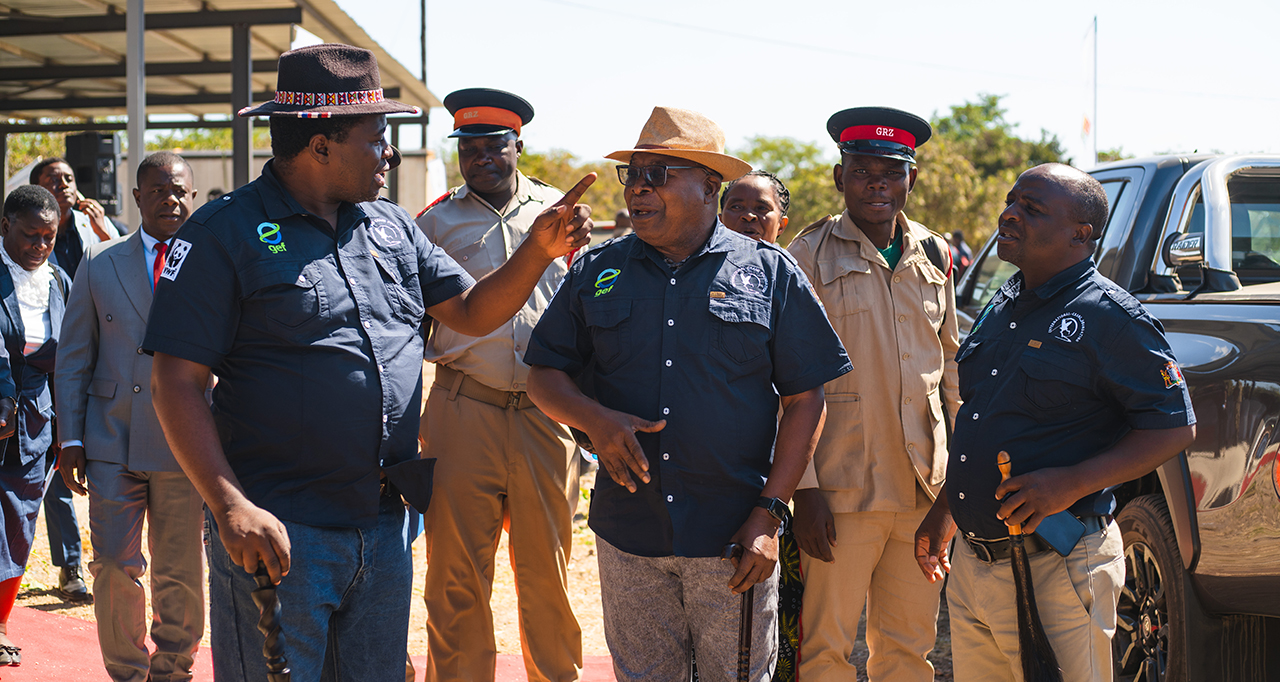
The project was launched by Dr. Douty Chibamba, Permanent Secretary in the Ministry of Green Economy and Environment at Samu Lya Moomba National Heritage Site, Monze, and was witnessed by Permanent Secretaries from Tourism, Southern and Central Provinces; District Commissioners, Traditional Authorities, stakeholders, and members of the community from the Kafue Flats.
Implemented under the Kafue Flats Restoration Partnership (KFRP), the project was jointly developed by the Ministry of Green Economy and Environment, the Department of National Parks and Wildlife in the Ministry of Tourism, WWF Zambia, and the International Crane Foundation, which is the implementing agency.
The GEF support to the Kafue Flats, under its eighth replenishment, GEF 8, is the largest integrated environmental restoration, wildlife conservation, and climate resilience initiative in the Kafue Flats over the last two decades. Anchored under the theme “A Thriving Wetland for All,” the project places communities at the centre of conservation and sustainable development.
Stretching across Southern and Central provinces, the Kafue Flats supports communities in the Namwala, Monze, Mazabuka, Shibuyunji, Mumbwa, and Itezhi Tezhi districts, and in the chiefdoms of Shakumbila, Muwezwa, Mungaila, Nalubamba, Hamusonde, Choongo, and Mwanachingwala.

The GEF project will scale up what we have been doing in the last five years and bring innovation and additional capacity. We will use the project to identify and test new sources of sustainable funding, taking advantage of Government support and enabling policy and guidance from the community through the traditional leaders. The GEF investment reflects growing recognition that protecting wetlands like the Kafue Flats is essential for Zambia’s environmental security, economic stability, biodiversity conservation, and community wellbeing.
The project comes at a critical time as communities across the Kafue Flats continue to face the growing impacts of climate change, including droughts, floods, declining fish stocks, degraded grazing areas, food insecurity, invasive plant species, and increasing pressure on natural resources.
Through this investment, communities are expected to benefit from climate-smart livelihood opportunities, enterprise development, ecotourism, rotational grazing systems, and cash-for-work landscape restoration initiatives designed to strengthen household resilience and local economies.
More than 5,000 community members are expected to directly benefit from improved livelihood and climate resilience interventions, while over 25,000 hectares of rangeland will be improved to support livestock production and sustainable land management.
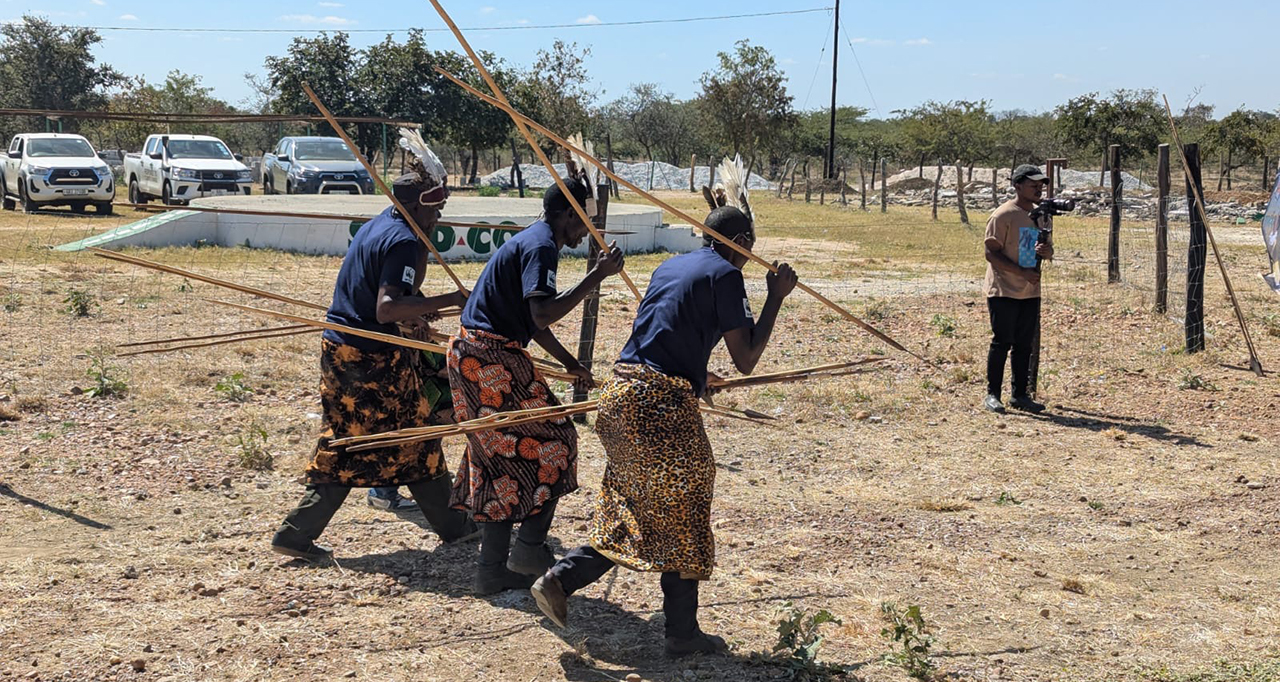
Participants perform a traditional dance during the project launch. Jim Ongowo/International Crane Foundation
The project will also restore degraded wetlands, establish a community-based fire management system, reduce poaching and wildlife crime, manage human-wildlife conflict, and continue removing the invasive Mimosa pigra plant, which threatens wetland health. At least 3,000 hectares of wetlands are targeted for restoration, while more than 600,000 hectares covering Lochinvar and Blue Lagoon National Parks, the Kafue Flats, and Nkala Game Management Areas are expected to benefit from improved ecosystem management.
The Kafue Flats is one of Africa’s most important wetlands and plays a critical role in Zambia’s economy, biodiversity, food systems, and energy production. The ecosystem supports about 90 percent of national sugar production, nearly 20 percent of Zambia’s cattle herd, fisheries, agriculture, and hydropower generation.
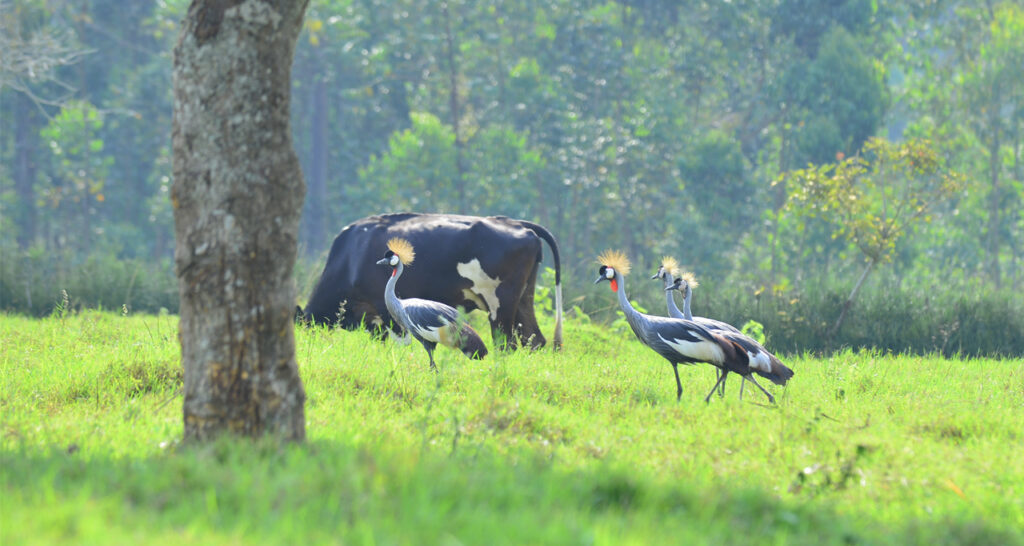
It is also home to globally important wildlife species, including the Kafue Lechwe and significant populations of Wattled Cranes, Grey Crowned Cranes, and critically endangered vultures. It is the most important floodplain for Wattled Cranes in Africa.