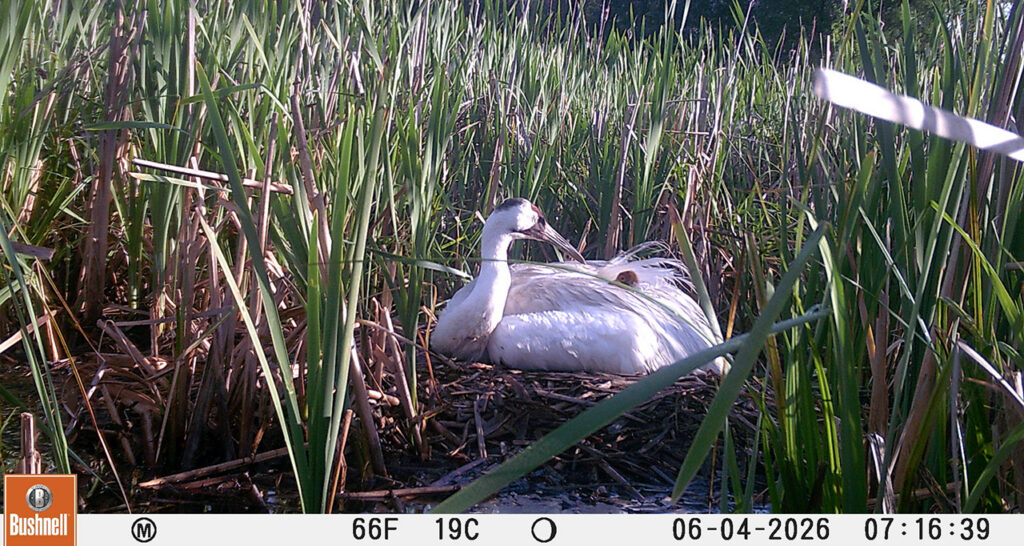
We are excited to announce that there are four new Whooping Cranes flying over the wetlands of Wisconsin! Each spring, Whooping Cranes return to their home marshes, pile vegetation high to build their nests, and carefully lay up to two eggs. They incubate their eggs for about a month, and then fuzzy little Whooping Crane chicks hatch.
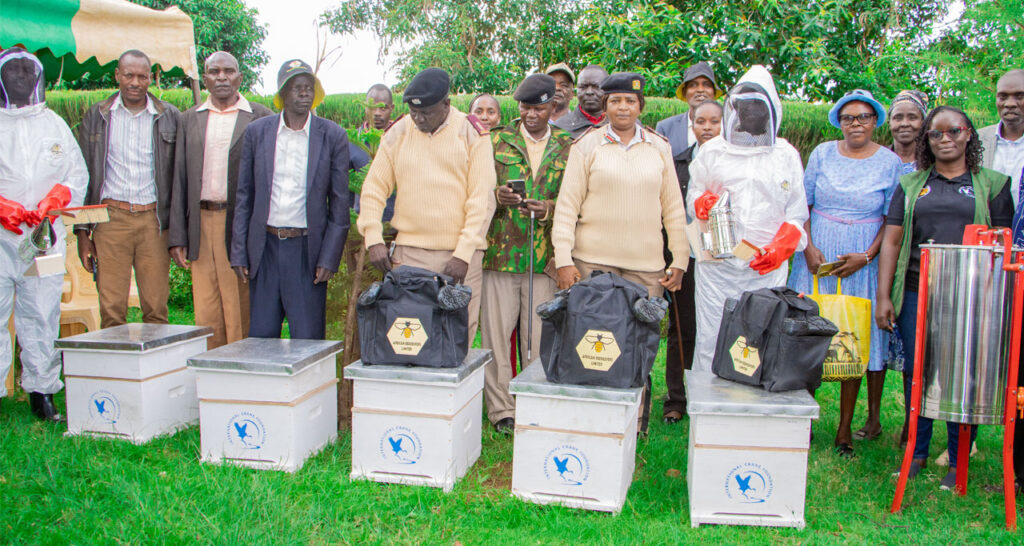
In a significant milestone, the programme has provided 142 modern beehives, along with honey harvesting kits and processing machines, to local groups. But the most important investment has not been in equipment. It has been in people. Before the hives were handed over, beneficiaries underwent hands-on training in apiary management, learning how to care for bees, harvest honey, and process it into marketable products that can support long-term income generation.
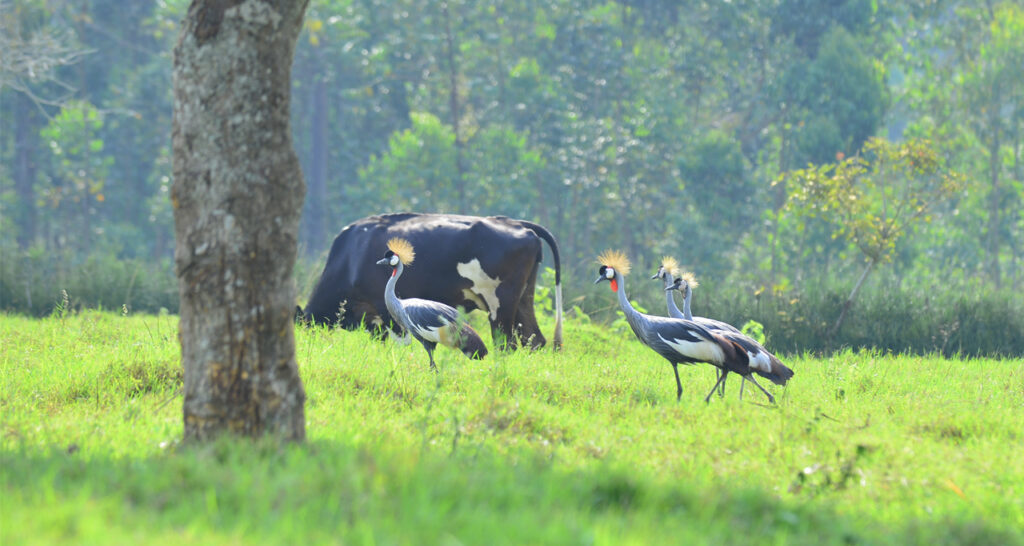
How do you protect the bird that wears a golden crown—the living emblem of Uganda herself—when the very wetlands she calls home are disappearing, farmers are poisoning birds out of desperation, new power lines are cutting through crane flyways, and communities cannot choose conservation over survival?
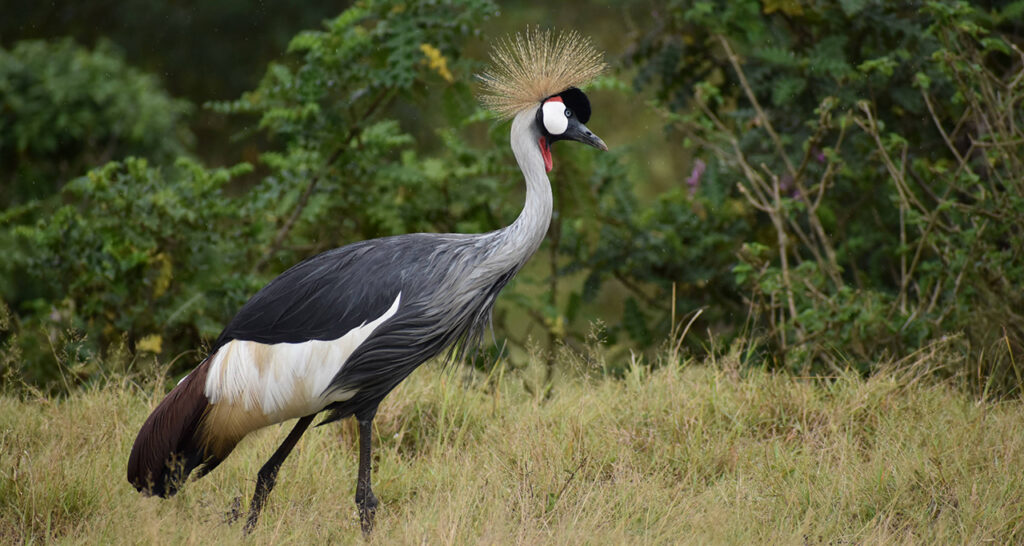
How do you secure Rwanda’s beloved Grey Crowned Cranes and other threatened wildlife that depend on healthy wetlands and agricultural landscapes for their survival?
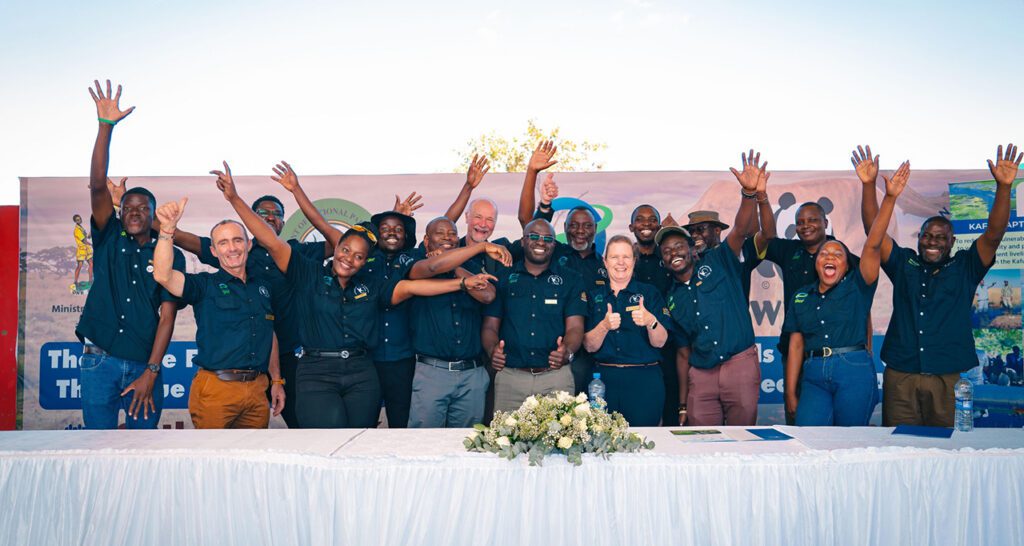
The Government of the Republic of Zambia through the Ministry of Green Economy and Environment, in partnership with the Ministry of Tourism, the International Crane Foundation and WWF Zambia, has launched a five-year US$9 million Global Environment Facility (GEF) Kafue Flats Project aimed at restoring the Kafue Flats ecosystem, and securing wildlife habitat and species, while improving livelihoods, strengthening climate resilience, and supporting sustainable development for communities across the wetland landscape.
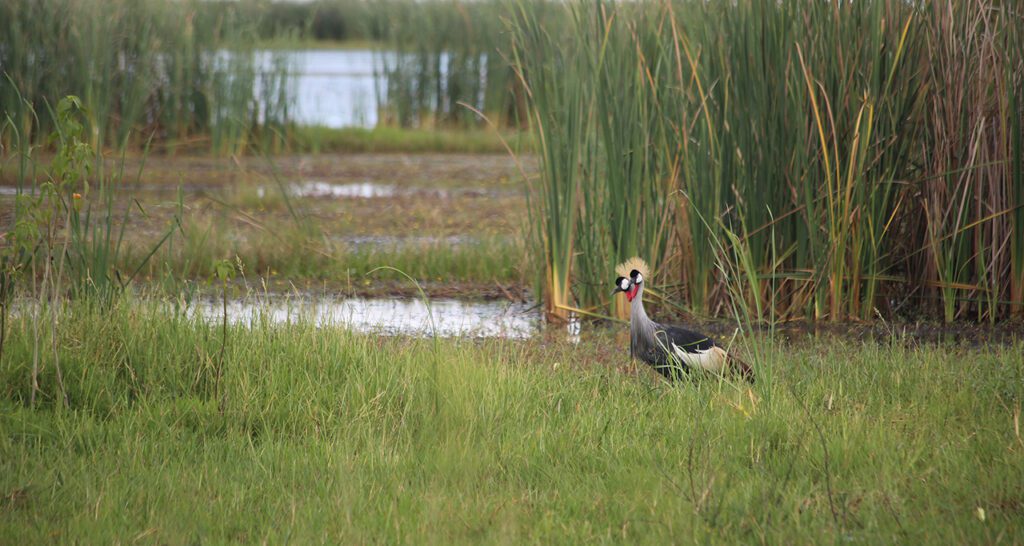
The International Crane Foundation in Africa calls for governments, organisations, and individuals to work alongside traditional custodians to restore wetlands for a secure future of cranes and people ahead of World Wetlands Day to be celebrated on 2nd February under the theme “Wetlands and Traditional Knowledge: Celebrating Cultural Heritage.”
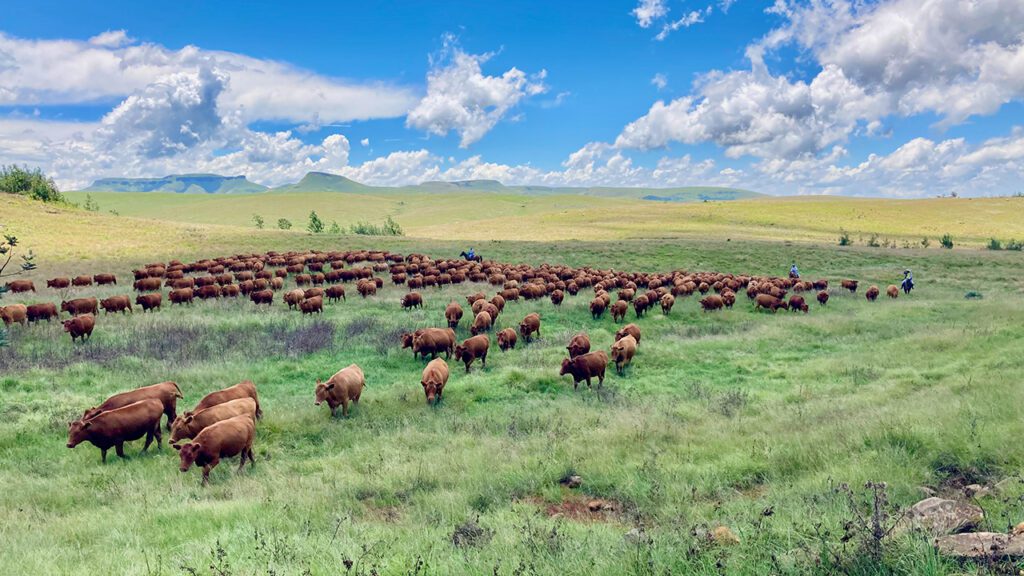
More than 90,000 hectares (222,600 acres) of irreplaceable Drakensberg Grasslands will now be conserved as part of South Africa’s first large-scale, verified soil carbon project.
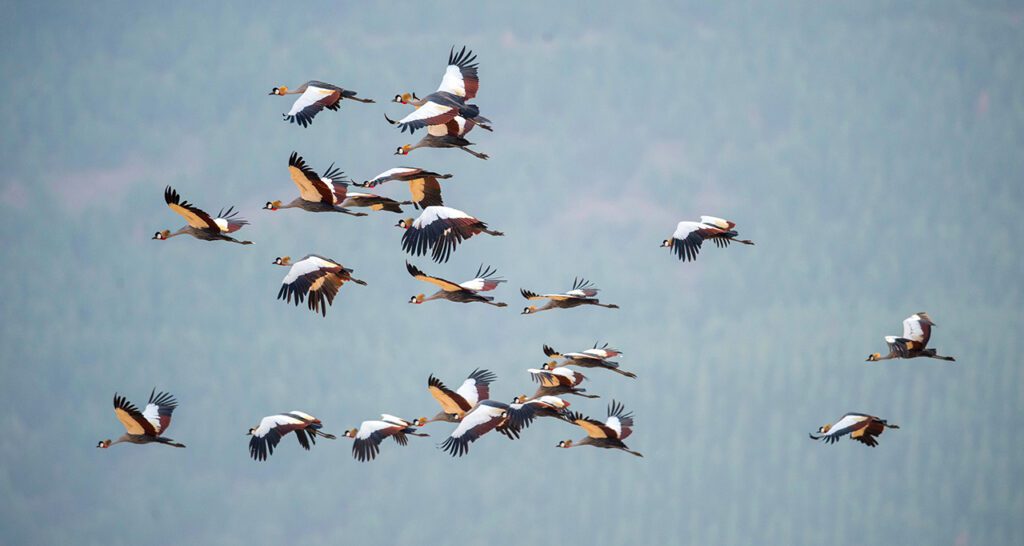
How do you secure Kenya’s beloved Grey Crowned Cranes, sitatunga, and other threatened wildlife that depend on healthy wetlands and agricultural landscapes for survival?
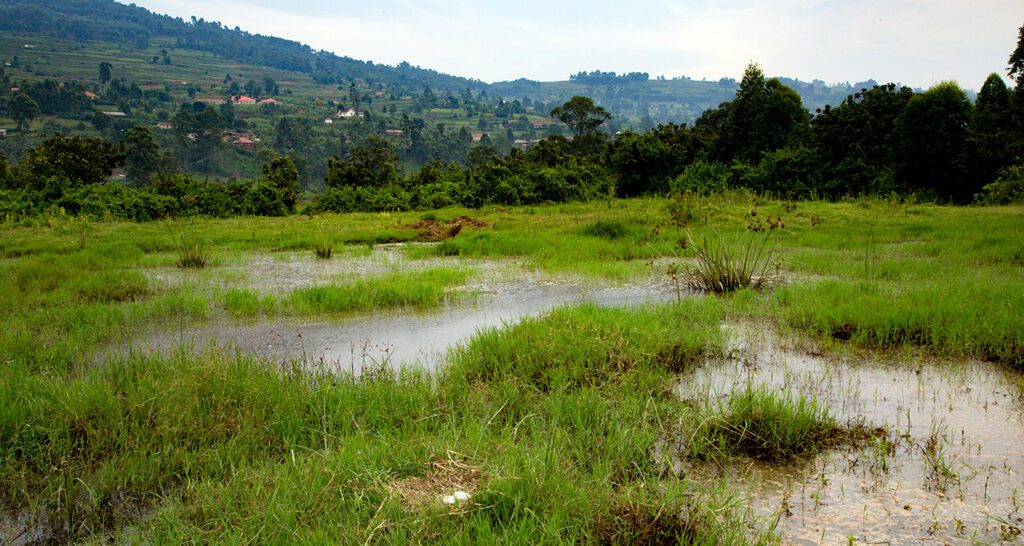
In Uganda, natural ecosystems, especially wetlands, face growing threats from climate change, deforestation, and unsustainable land-use practices such as wetland conversion and sand mining. These pressures have reduced both agricultural productivity and biodiversity.
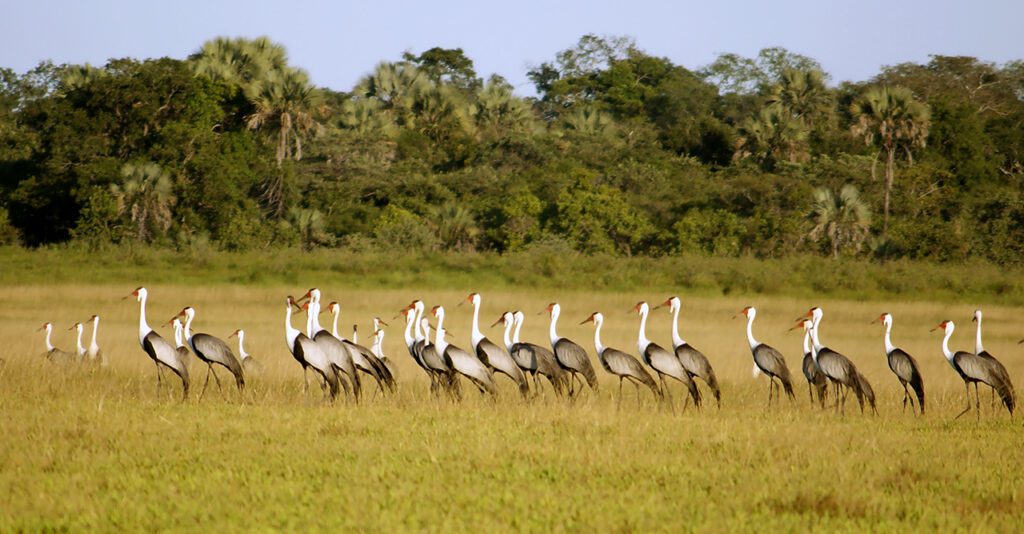
How do you secure a floodplain of international significance for wildlife and people, reverse ecological degradation, and promote sustainable development and livelihoods for one million Zambians?
No results found.
Adjust the filters and try again.