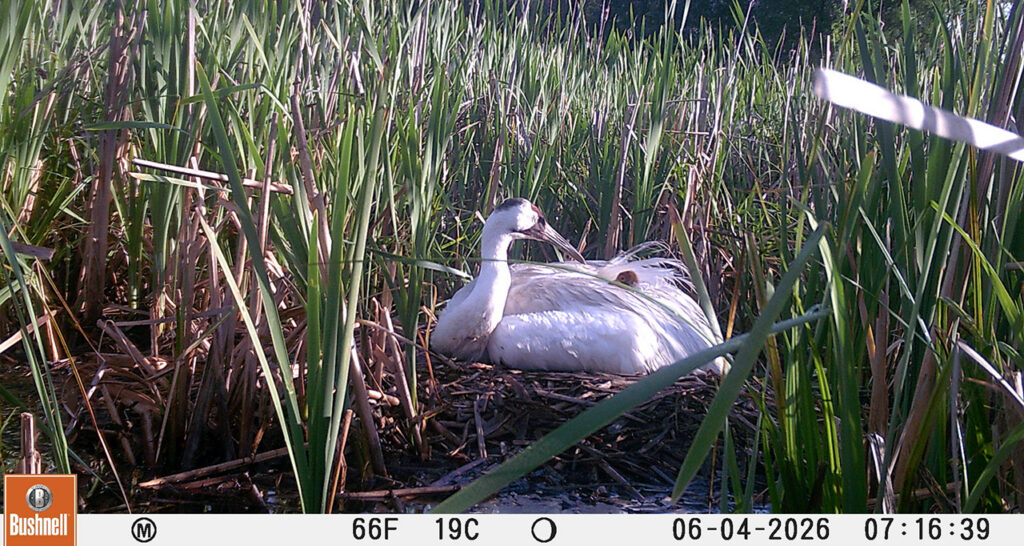
We are excited to announce that there are four new Whooping Cranes flying over the wetlands of Wisconsin! Each spring, Whooping Cranes return to their home marshes, pile vegetation high to build their nests, and carefully lay up to two eggs. They incubate their eggs for about a month, and then fuzzy little Whooping Crane chicks hatch.
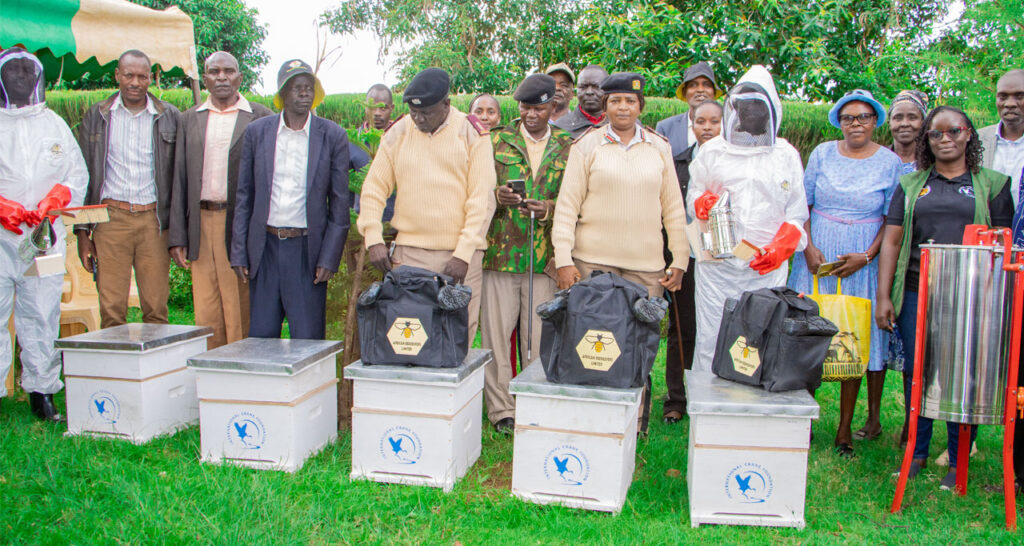
In a significant milestone, the programme has provided 142 modern beehives, along with honey harvesting kits and processing machines, to local groups. But the most important investment has not been in equipment. It has been in people. Before the hives were handed over, beneficiaries underwent hands-on training in apiary management, learning how to care for bees, harvest honey, and process it into marketable products that can support long-term income generation.
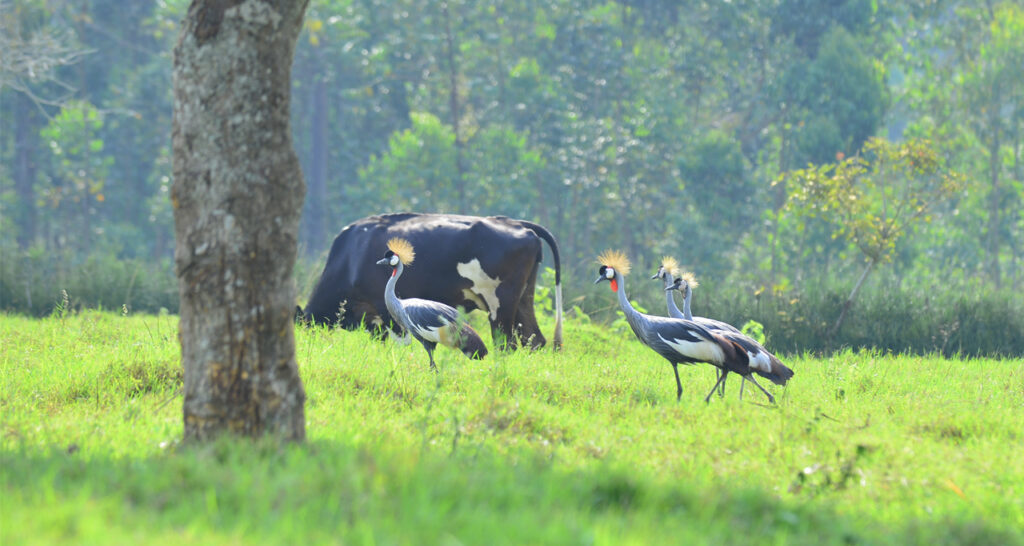
How do you protect the bird that wears a golden crown—the living emblem of Uganda herself—when the very wetlands she calls home are disappearing, farmers are poisoning birds out of desperation, new power lines are cutting through crane flyways, and communities cannot choose conservation over survival?
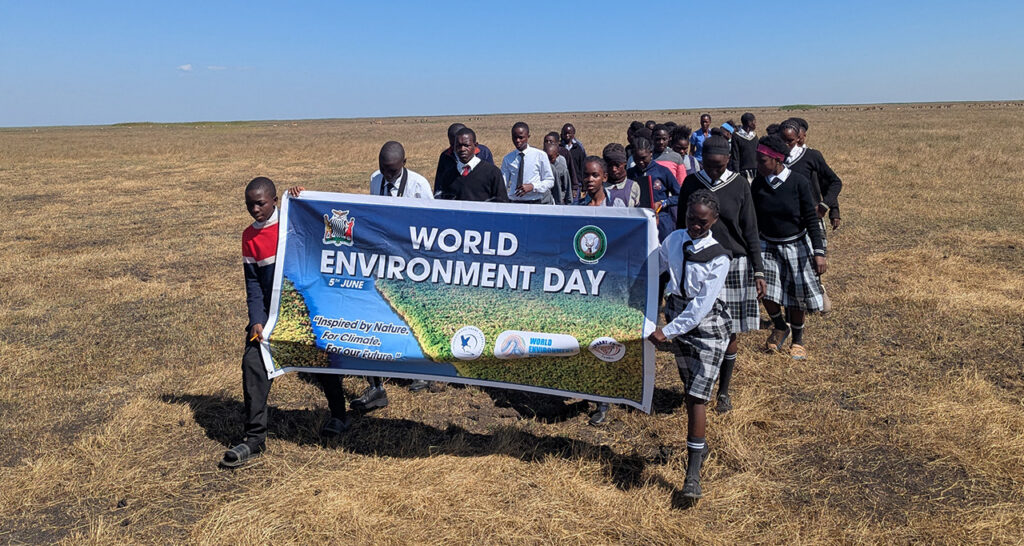
On 5th June 2026, the International Crane Foundation partnered with the Ministry of Green Economy and Environment and other stakeholders to commemorate World Environment Day at Lusaka National Park in Lusaka under the national theme, “Accelerating Zambia’s Climate Action for Green Growth and Sustainability.”
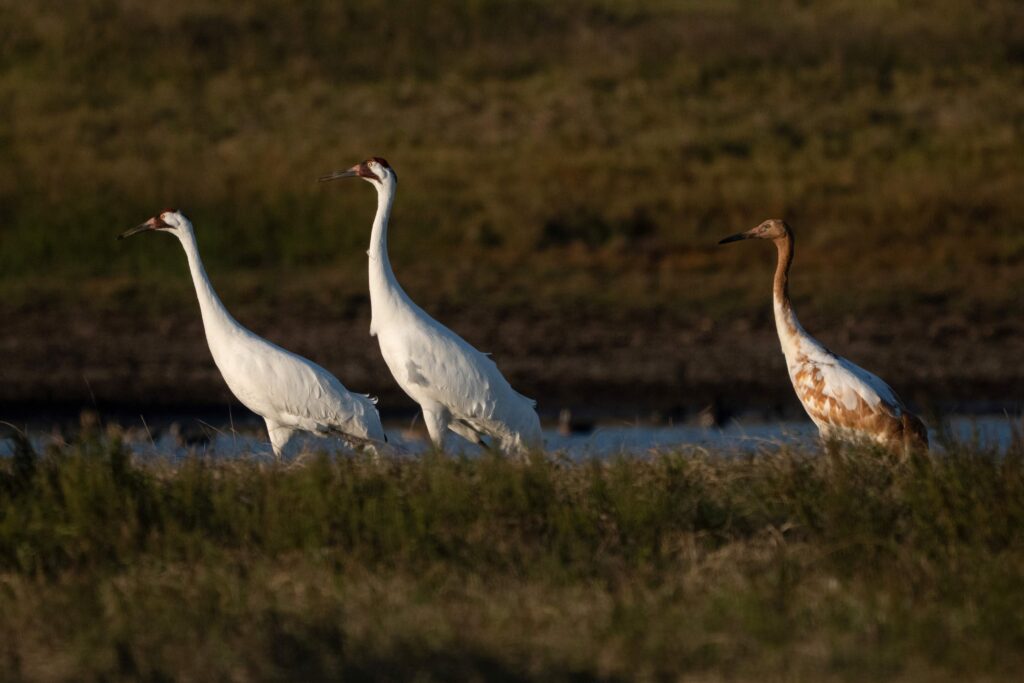
Annual USFWS aerial surveys estimate 540 Whooping Cranes near Aransas NWR in 2025–2026 — roughly flat with last year’s estimate of 557 — as the species enters its tenth year above 500 individuals.
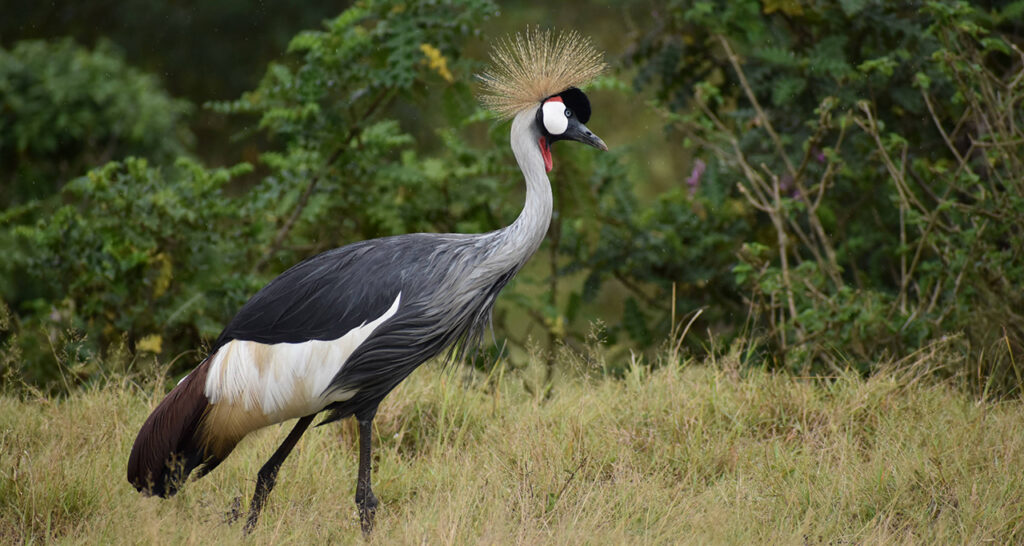
How do you secure Rwanda’s beloved Grey Crowned Cranes and other threatened wildlife that depend on healthy wetlands and agricultural landscapes for their survival?
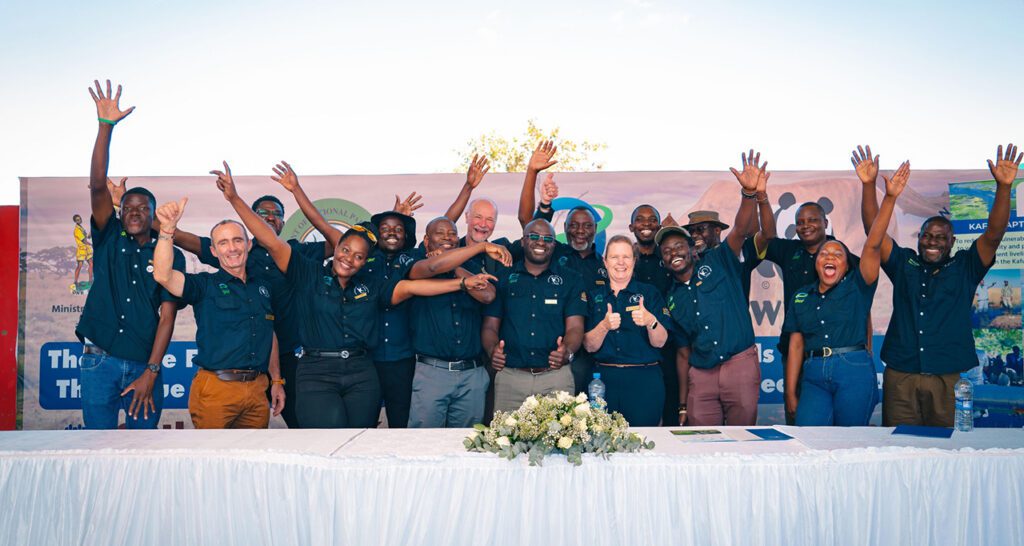
The Government of the Republic of Zambia through the Ministry of Green Economy and Environment, in partnership with the Ministry of Tourism, the International Crane Foundation and WWF Zambia, has launched a five-year US$9 million Global Environment Facility (GEF) Kafue Flats Project aimed at restoring the Kafue Flats ecosystem, and securing wildlife habitat and species, while improving livelihoods, strengthening climate resilience, and supporting sustainable development for communities across the wetland landscape.
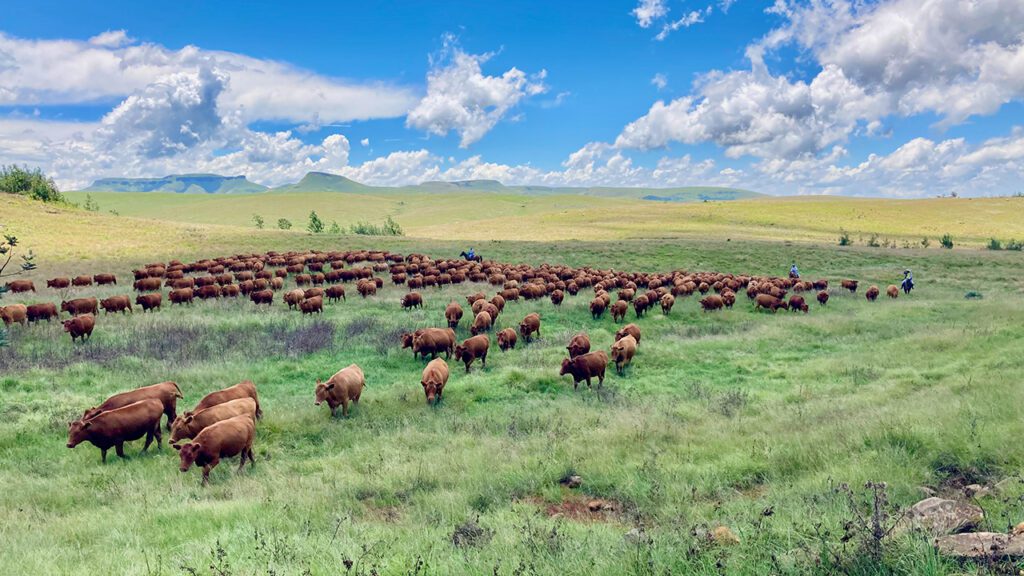
More than 90,000 hectares (222,600 acres) of irreplaceable Drakensberg Grasslands will now be conserved as part of South Africa’s first large-scale, verified soil carbon project.
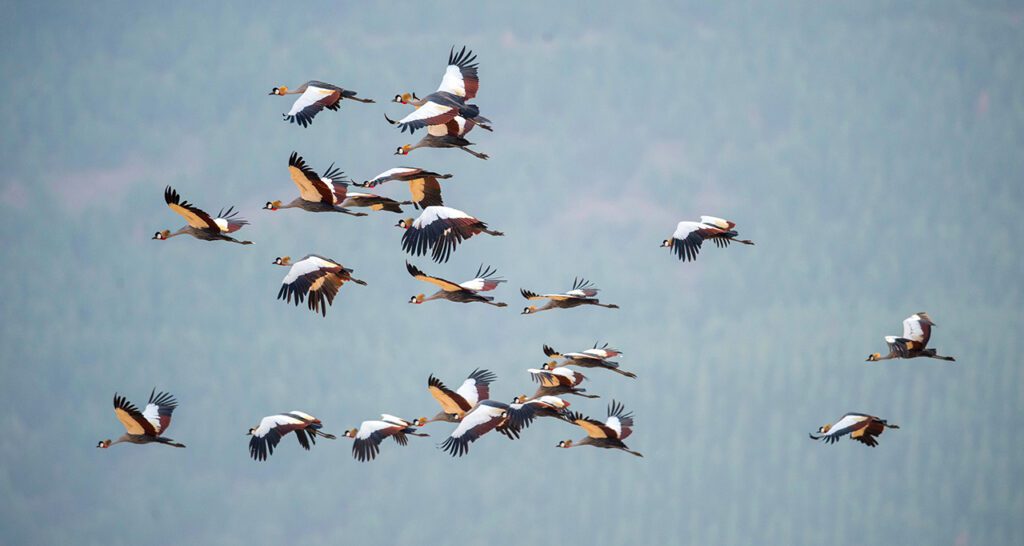
How do you secure Kenya’s beloved Grey Crowned Cranes, sitatunga, and other threatened wildlife that depend on healthy wetlands and agricultural landscapes for survival?
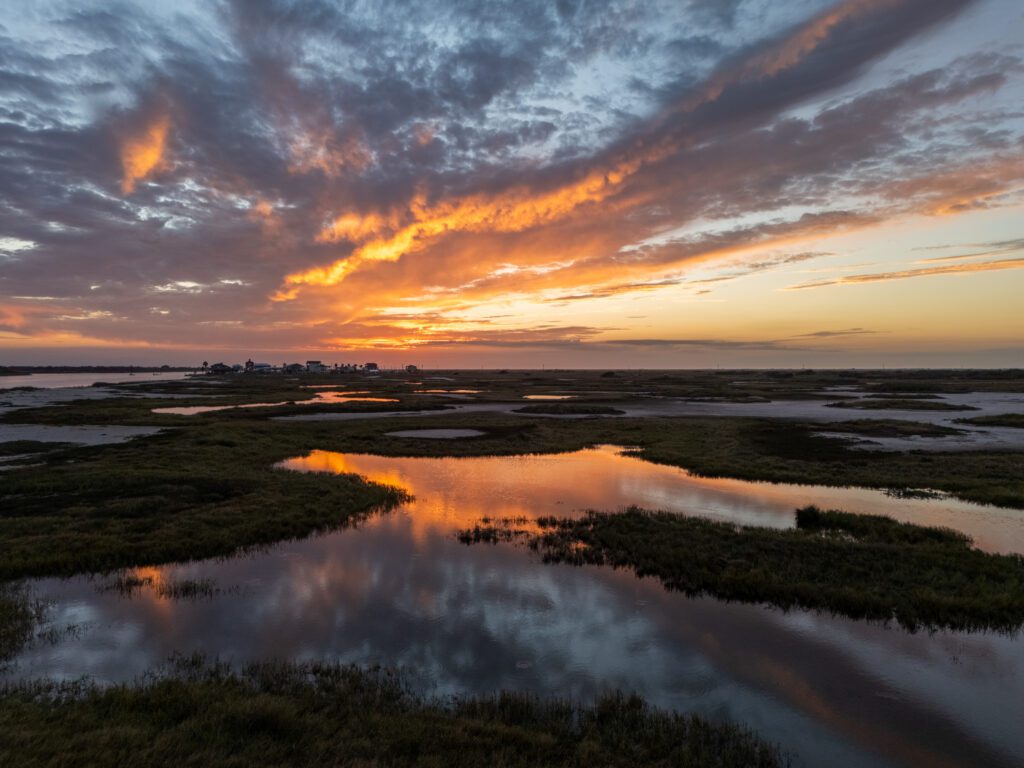
In a landmark conservation achievement for the Texas coast, a coalition of partners at the International Crane Foundation, The Conservation Fund, and the Coastal Bend Bays & Estuaries Program has secured permanent protection for more than 3,300 acres of high-priority wintering habitat for the federally endangered Whooping Crane, one of North America’s rarest and most endangered birds.
No results found.
Adjust the filters and try again.