Africa
About Our Work
Africa is an immense continent, with highly threatened crane populations in more than 20 countries. The struggle for socio-economic development across the continent puts enormous pressure on wetlands, grasslands, and agricultural lands that sustain cranes and other wildlife. To achieve our vision, we aim to fully integrate our crane and biodiversity conservation approaches with the welfare of the communities that share their lands with cranes. Our work builds community resilience in a changing political, climatic, economic, and social world and promotes sustainable land-use practices that benefit people, cranes, and broader biodiversity.
We are working to reverse the decline of all four threatened crane species that are resident in the continent—Endangered Grey Crowned Cranes and Vulnerable Wattled, Black Crowned, and Blue Cranes—by reducing the most serious threats to these species and securing their most important breeding, foraging, roosting, and non-breeding grounds. We are also monitoring migratory Demoiselles and Eurasian Cranes to ensure their wintering grounds in northern Africa remain secure, while our conservation efforts in Eurasia aim to reduce hunting pressure for these species along their Middle East/Central Asia flyway.
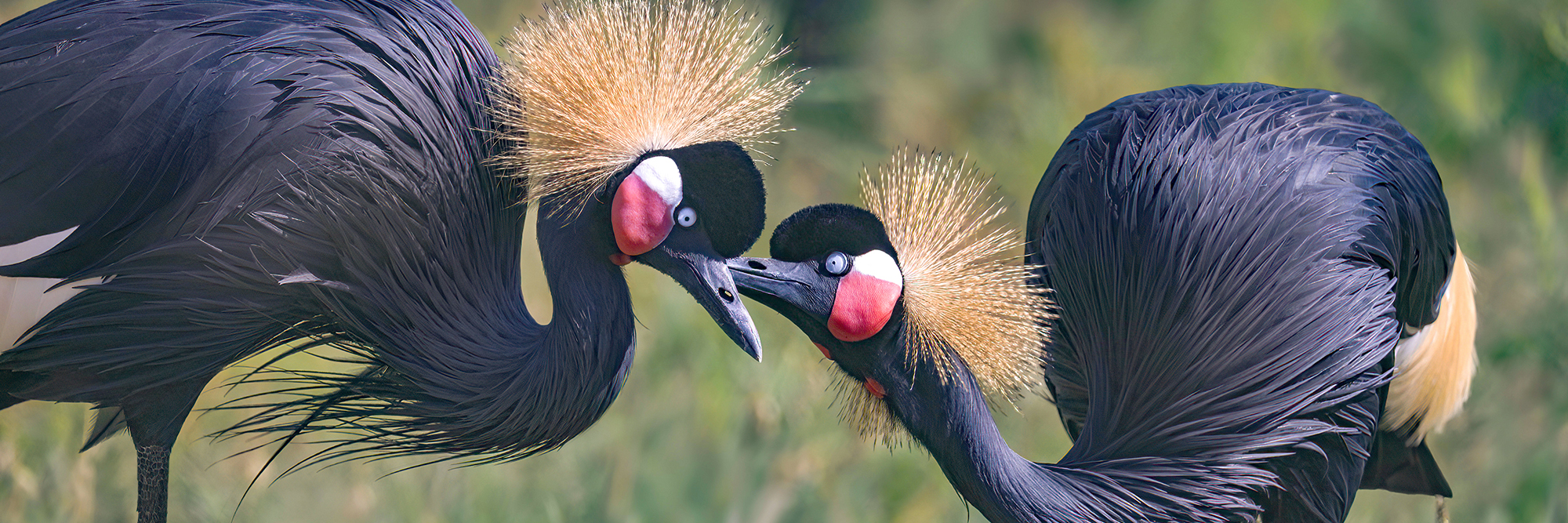
Photo: Black Crowned Crane pair by Ted Thousand

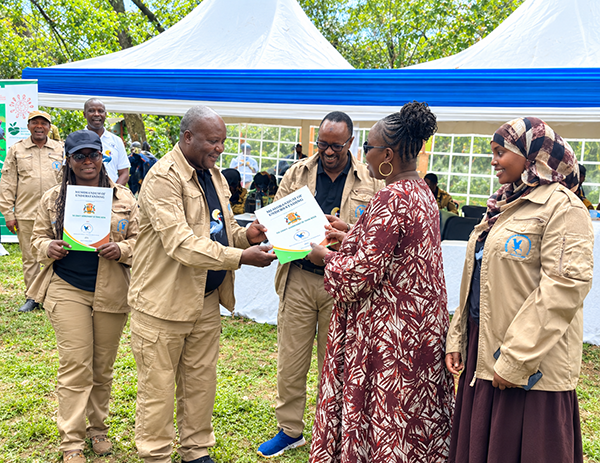
More than 300 pupils from 18 schools took to the streets of Kitale on Friday as the Kenya Crane Festival brought together communities, conservationists, and county leaders to celebrate the Grey Crowned Crane and call for stronger protection of the wetlands on which the endangered bird depends.
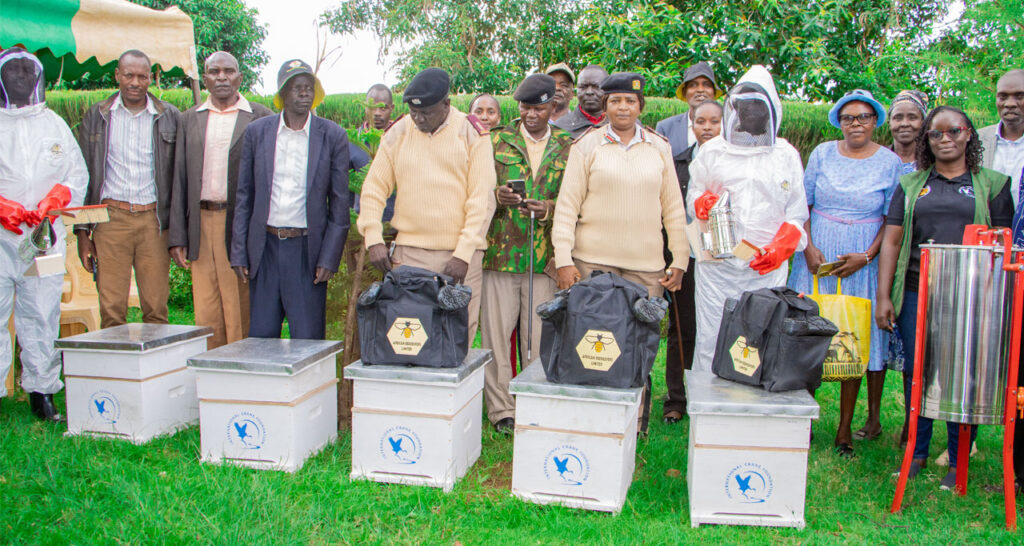
In a significant milestone, the programme has provided 142 modern beehives, along with honey harvesting kits and processing machines, to local groups. But the most important investment has not been in equipment. It has been in people. Before the hives were handed over, beneficiaries underwent hands-on training in apiary management, learning how to care for bees, harvest honey, and process it into marketable products that can support long-term income generation.
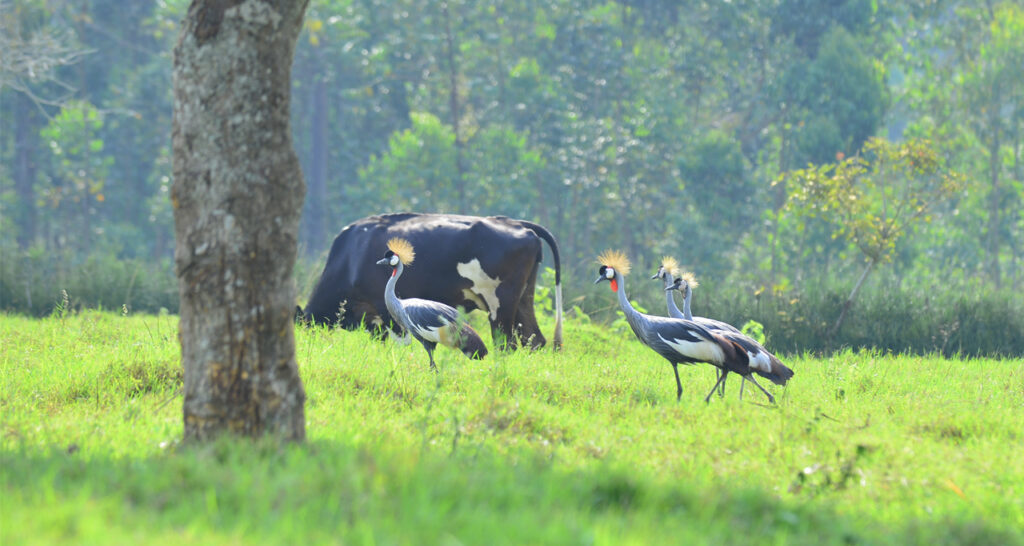
How do you protect the bird that wears a golden crown—the living emblem of Uganda herself—when the very wetlands she calls home are disappearing, farmers are poisoning birds out of desperation, new power lines are cutting through crane flyways, and communities cannot choose conservation over survival?