Uganda
Empowering Communities to Conserve Wetlands and Cranes
The majority of the remaining Endangered Grey Crowned Crane population depends on small pockets of wetlands scattered across Uganda, the same wetlands that farming communities rely on for their livelihoods. Thus, the fate of this species and the wetlands they depend upon are deeply intertwined with the livelihoods of these communities that share their lands with cranes.
The wetlands of Uganda are under increasing pressure from a growing human population. Wetlands are lost through drainage for agriculture and settlement, unsustainable harvesting of wetland vegetation, and the introduction of crops and trees, such as eucalyptus, that cause permanent alteration of wetland vegetation structure and hydrological functions.
Our work in Uganda aims to empower communities to conserve wetlands and cranes through a holistic, integrated approach. We combine climate-smart agricultural livelihood creation, habitat restoration, soil and water conservation, healthcare service provision, community capacity development, and community stewardship to enable long-term wetland health for people and cranes. When conservation, livelihood, and human health actions are integrated through these partnerships, we build community resilience and ensure long-term conservation outcomes.
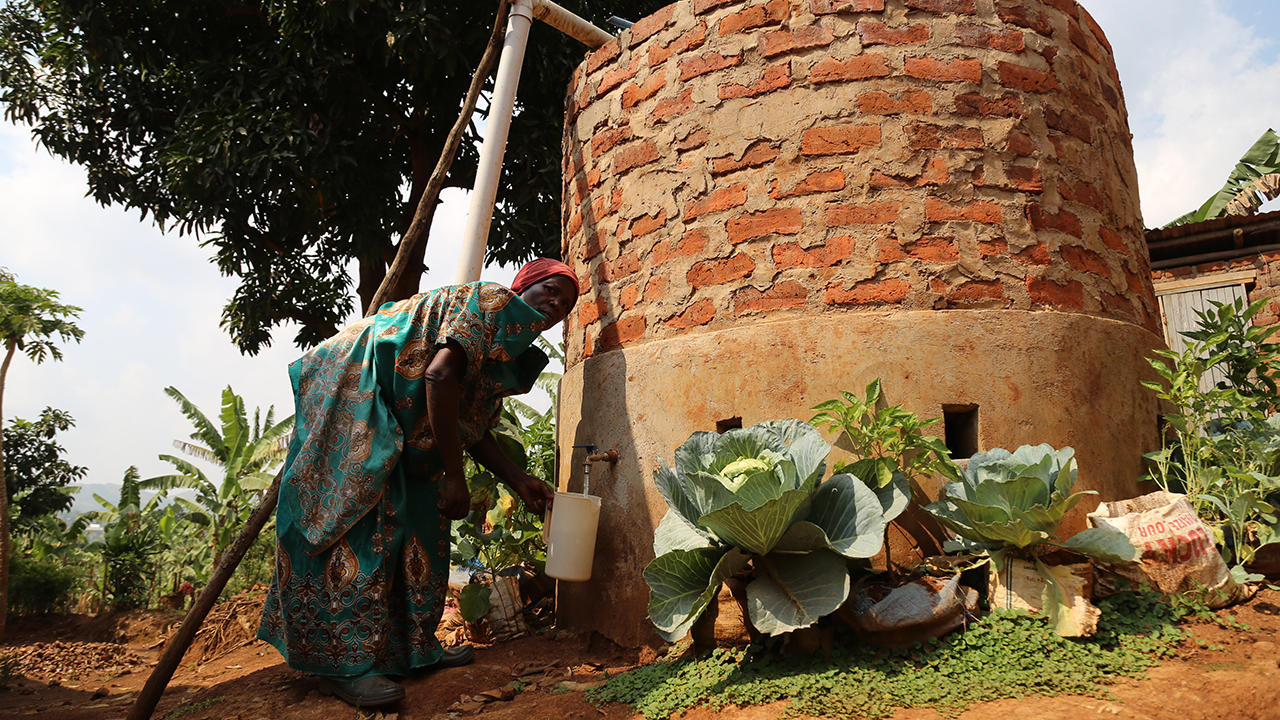 New water tanks in our project communities provide safe water for cooking and drinking, reduce wetland disturbance, and save countless hours for women and children who must collect water each day.
Our Integrated Plan
Our work to date in Rukiga, in southwestern Uganda, and Lwengo, in southcentral Uganda, has demonstrated the effectiveness of community-based conservation strategies. We have piloted approaches such as Conservation Agreements linked to important livelihood options, drawing on lessons from our Rugezi Marsh project in Rwanda. With our health partners at Rushebeya-Kanyabaha wetland in Rukiga, we have integrated conservation and health messages, improved family health, and increased participation in Conservation Agreements. We have enhanced agricultural livelihoods by introducing Napier Grass cultivation to prevent soil erosion on hillslopes and provide livestock with fodder, and by providing high-quality climbing bean and Irish potato seeds. In return for these benefits, communities have undertaken conservation actions to safeguard cranes and protect wetlands.
We are proud that our project is globally recognized for its holistic and integrated design and implementation. Furthermore, lessons from this work support ongoing efforts to improve conservation practices and policies. There is still a pressing need to scale up these impacts within and beyond the current project scope to ensure we can sustain and recover the Grey Crowned Crane population and the wetlands on which the cranes and local communities depend.
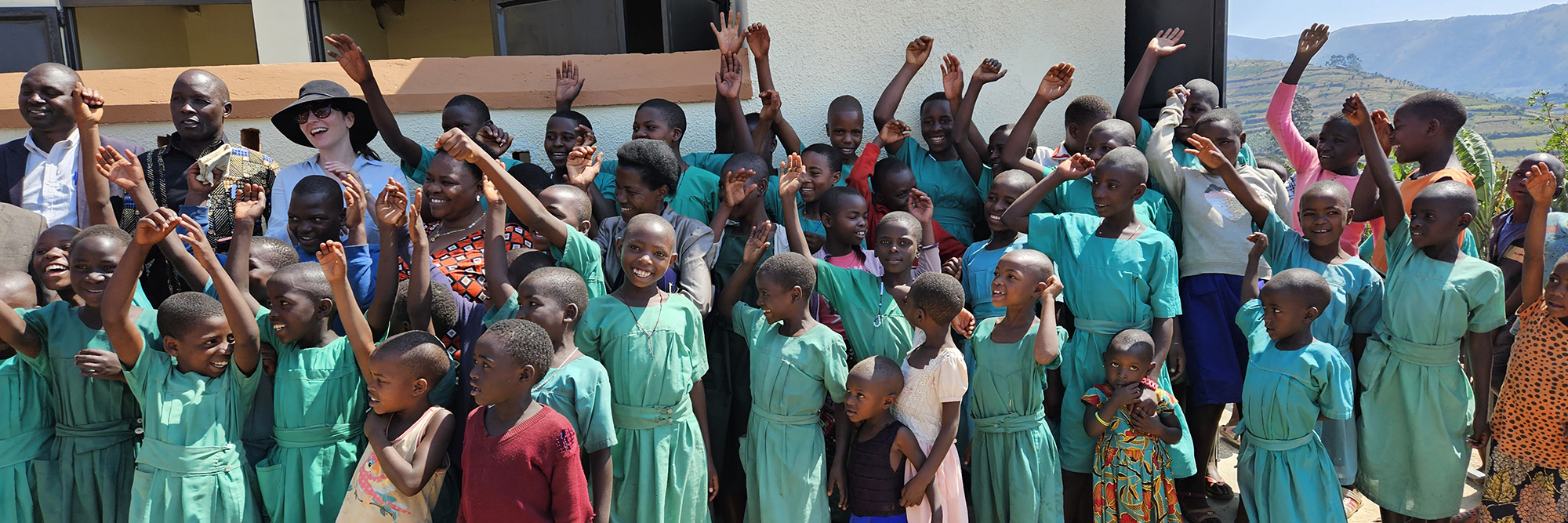
Top photo: Young girls stand outside a new women’s latrine at their school. By providing a safe, private place for these necessities, we aim to help girls stay in school longer.

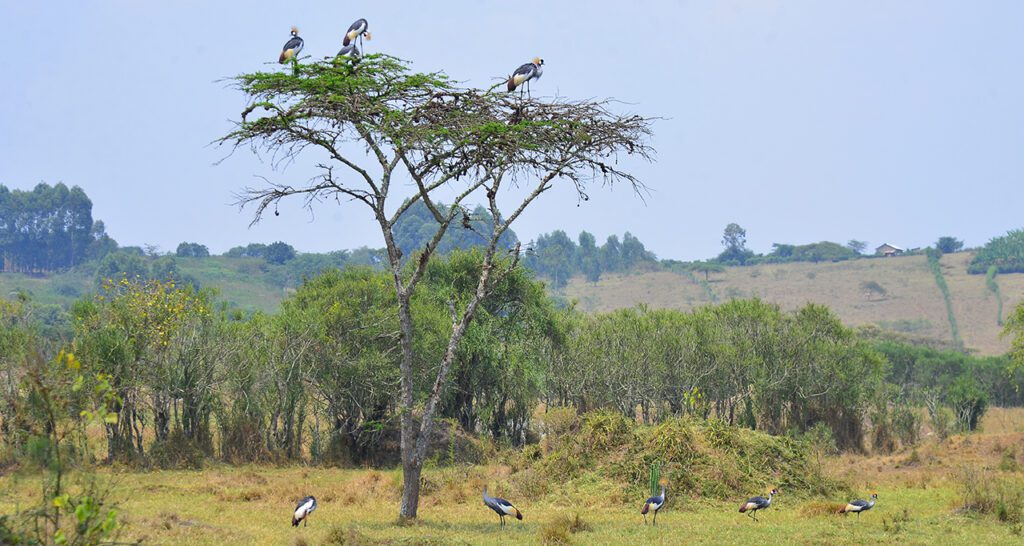
Grey Crowned Cranes by Ondrej-Prosicky
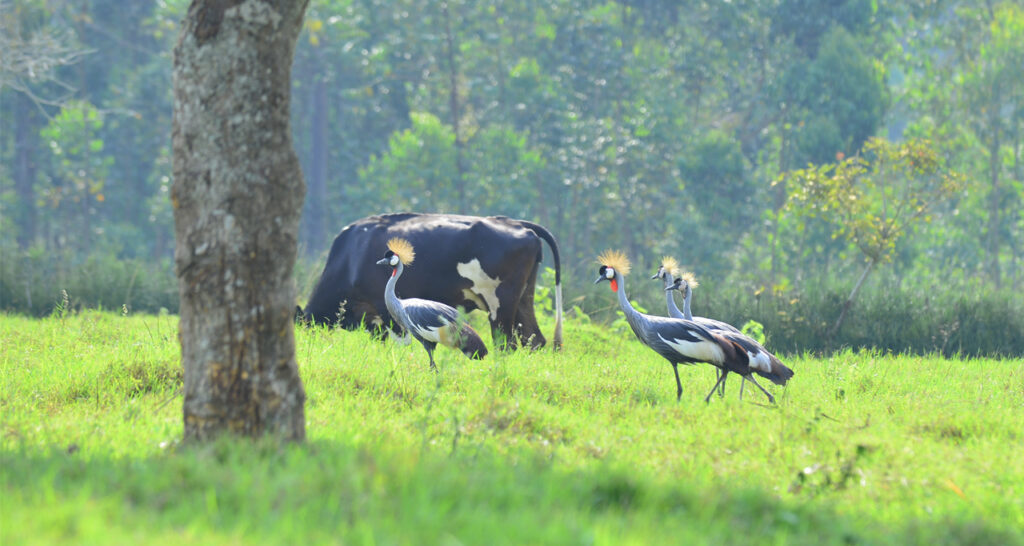
How do you protect the bird that wears a golden crown—the living emblem of Uganda herself—when the very wetlands she calls home are disappearing, farmers are poisoning birds out of desperation, new power lines are cutting through crane flyways, and communities cannot choose conservation over survival?
Hosted by the International Crane Foundation, Uganda’s crane festival brought together Uganda government officials, conservation scientists, traditional clan leaders, and local communities to highlight the role of science, culture, and accountability in conserving wetlands.
The International Crane Foundation in Africa calls for governments, organisations, and individuals to work alongside traditional custodians to restore wetlands for a secure future of cranes and people ahead of World Wetlands Day to be celebrated on 2nd February under the theme “Wetlands and Traditional Knowledge: Celebrating Cultural Heritage.”