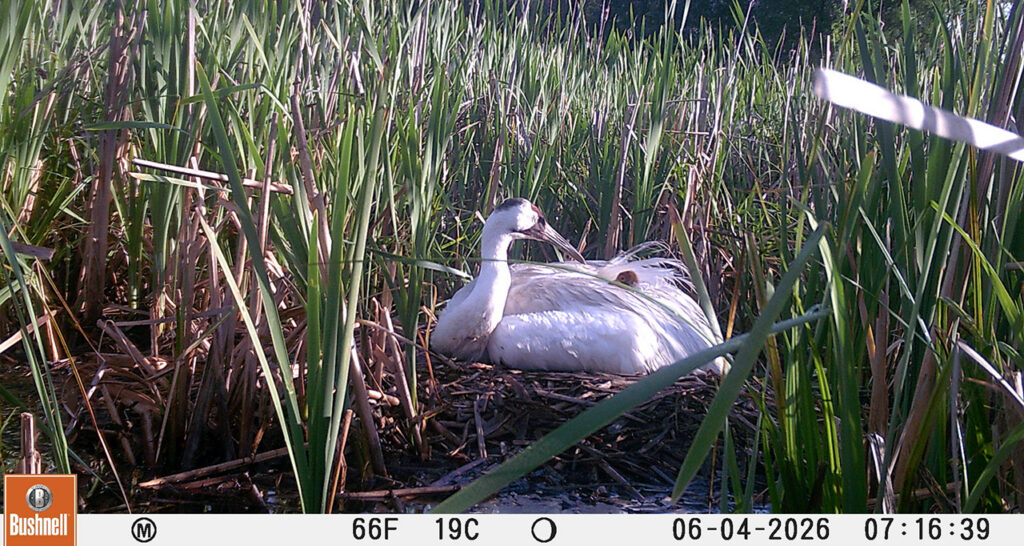
We are excited to announce that there are four new Whooping Cranes flying over the wetlands of Wisconsin! Each spring, Whooping Cranes return to their home marshes, pile vegetation high to build their nests, and carefully lay up to two eggs. They incubate their eggs for about a month, and then fuzzy little Whooping Crane chicks hatch.
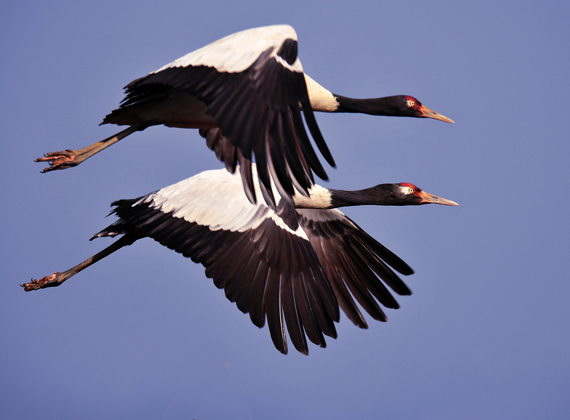
We asked our staff for their top ten facts about crane migration to create this list – we hope you are inspired to learn more about the mystery of bird migration!

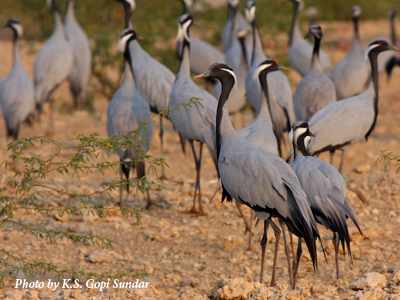
The unprecedented loss of up to 8,000 Eurasian Cranes to an H5N1 highly pathogenic avian influenza virus in Israel’s Hula Valley in December 2021 was a tragic example of the potential for this virus to sicken wild birds and now cranes in particular.
As important symbols of longevity, happiness and nobility, Cranes present a beautiful image in Chinese culture and are often associated with blessings and good wishes. Therefore, the International Crane Foundation’s China Program initiated an online campaign during the 2021 Spring Festival under the program “One Yangtze River With Thousands of Cranes,” supported by Huatai Securities. The Yangtze River basin supports several species of wintering cranes, including nearly the entire population of the critically endangered Siberian Crane.

“Welcome Siberian Cranes to their wintering area in Kuixiang, Guangdong Province” by Long Baichuan If a picture is worth a thousand words, an image of a crane is visual poetry. Cranes are beautiful and elegant large wading birds found on every continent except South America and Antarctica. East Asia has the largest number of crane species in the world, with nine of the 15 species. Cranes also have special cultural significance in East Asia, especially in China, South Korea and Japan. However, cranes continue to face increasing threats, including climate change, habitat degradation and loss, human disturbance, and are at risk of population decline or even extinction in the wild.
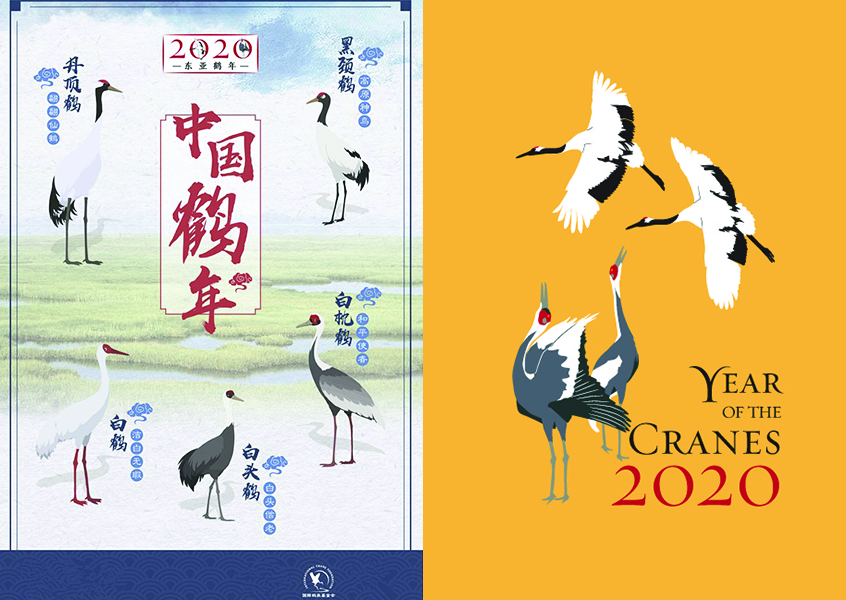
[vc_row][vc_column][vc_column_text]In October 2019 our Vice President International Asia – Spike Millington introduced 2020 as the “Year of the Cranes” at the International Workshop on Crane Conservation in East Asia convened in Beijing, China. Read more about the workshop. The campaign aims to leverage public, political, and financial support for crane and wetland conservation.

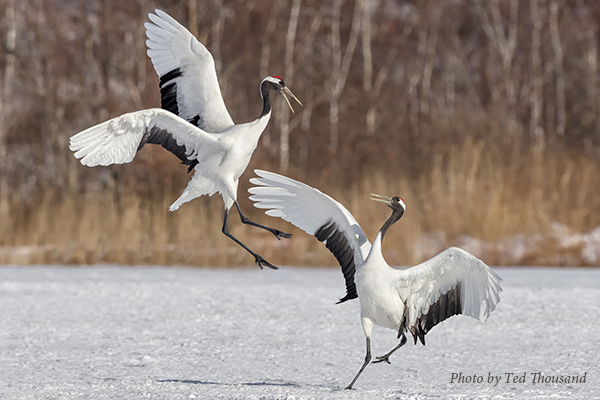
Welcome to Week 4 of Quarantine with Cranes! Over the next few months, the International Crane Foundation will provide activities for you and your loved ones to do from the safety of your home. This week’s activities focus on one of the world’s fifteen crane species, the Red-crowned Crane. See Week 3 of Quarantine with Cranes here.
Dear Friends, I find that I can stay pretty focused while working at home these days, ignoring the goings-on of my home-bound family, the barking dog, and robo phone calls when I really need to get a job done. But I have a big weakness for birds! A red-bellied woodpecker on the feeders outside my window will draw me out of my deepest concentration.
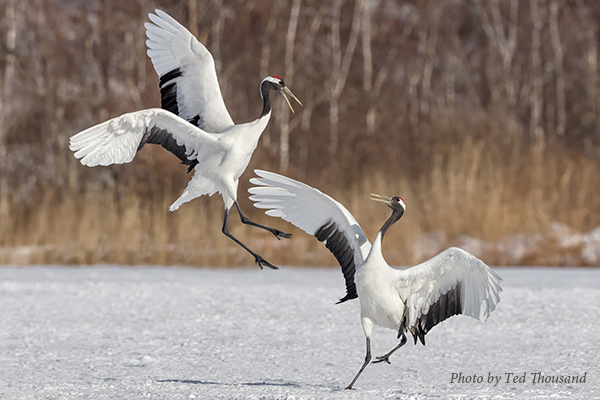
Red-crowned Cranes spar on their winter feeding grounds in Hokkaido, Japan. In October, I traveled to Beijing Forestry University for a three-day workshop jointly organized by the University’s Center for East Asian – Australasian Flyway Studies and the International Crane Foundation. Our principal goal was to draft a ten-year Crane Strategy and Action Plan for the East Asian Flyway, comprising Russia, Mongolia, China, North and South Korea and Japan focusing on four threatened crane species – Siberian, Red-crowned, White-naped and Hooded Cranes.
No results found.
Adjust the filters and try again.