Wisconsin Assembly Passes Sandhill Crane Hunt Bill with Little to No Support for Farmers
Agencies say the annual cost to operate the proposed hunt far outweighs revenues by $1.6 million and would completely overwhelm current farmer assistance programs.
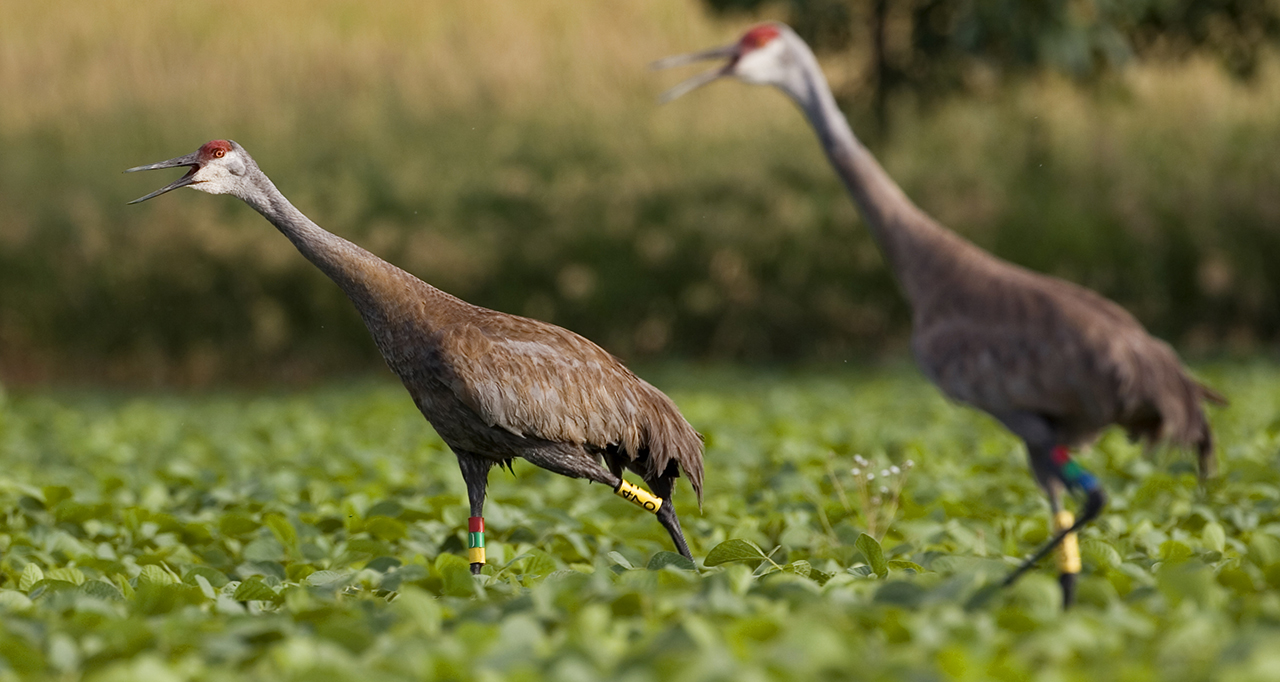
February 23, 2026 — Late last week, the Wisconsin Assembly voted to approve AB117, which would require the state Department of Natural Resources to establish a hunting season on Sandhill Cranes. The bill would still require approval by the State Senate and the Governor to become law.
While we respect and honor the hunting traditions of our state, we are concerned that a Sandhill Crane hunting season on their core breeding grounds in Wisconsin will have unintended consequences for the long-term recovery of the species here and across the eastern US.
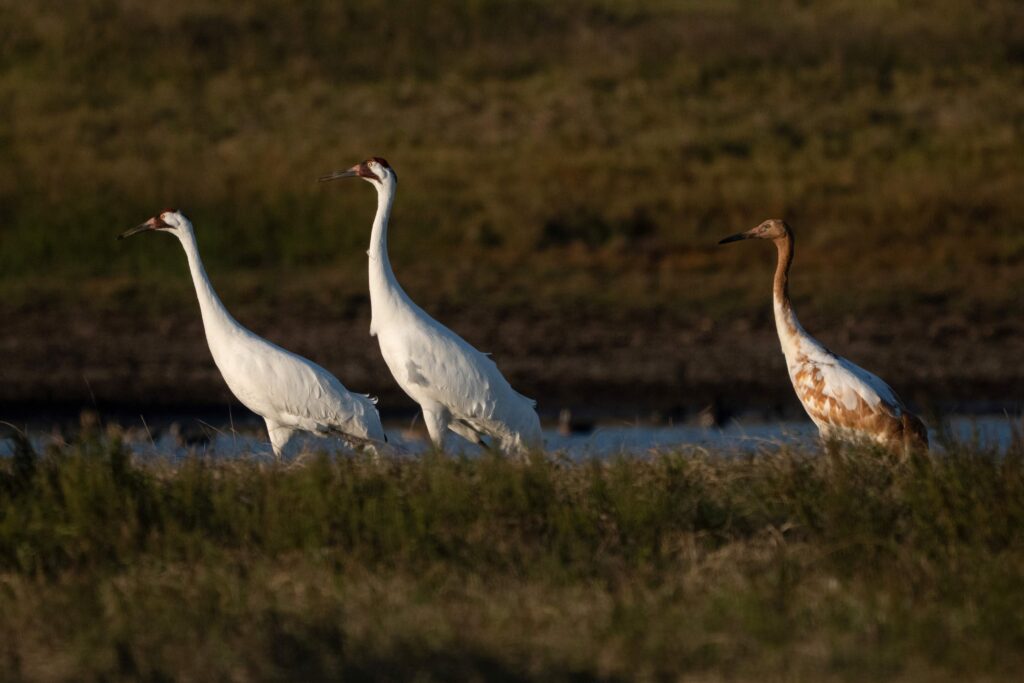
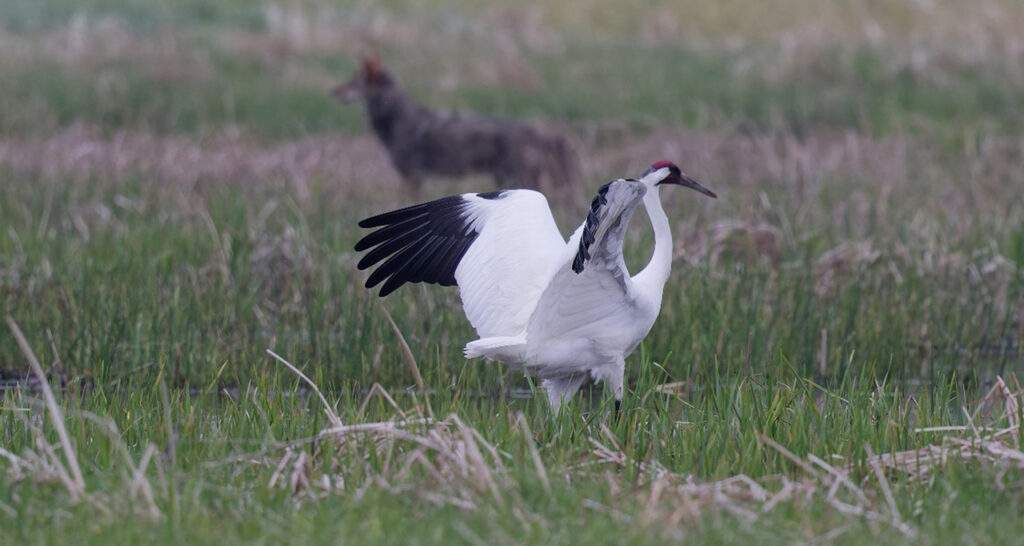
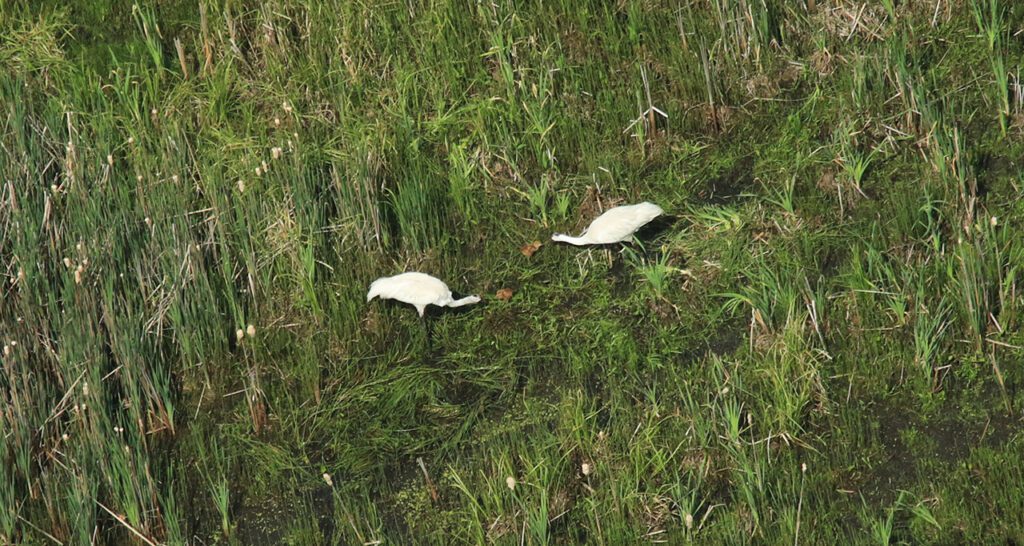
Science clearly shows that a Sandhill Crane hunting season will not resolve documented crop depredation issues, lacks majority public support, risks highly endangered Whooping Cranes, and will operate at a significant net fiscal loss to the state’s wildlife programs and taxpayers.
According to official fiscal estimates by both the Department of Natural Resources and the Department of Agriculture, Trade and Consumer Protection, the cost of operating a Sandhill Crane hunting season far outweighs any revenue generated by the program. Wisconsin taxpayers will be burdened to subsidize the hunting season to the tune of $1.6 million annually. The proposal will also overwhelm the existing Wildlife Damage Abatement and Claims Program that farmers already rely on for other wildlife damage, according to state agency testimony, rather than create sustainable new pathways to support crop damage losses.
In addition to the approval of AB117, legislators separately maneuvered to attach the Sandhill Crane hunting bill to wake-boating legislation (AB 1033). Combining these two complex, highly unrelated policy proposals in this way limits meaningful debate. It risks undermining careful, science-based decision-making on issues that significantly affect Wisconsin’s wildlife and waters.
The International Crane Foundation remains committed to meaningful solutions for farmers facing crop damage, scientifically grounded conservation, sound legislative process, and the long-term stewardship of cranes and the healthy lands and waters they need. We urge legislators instead to pursue these same ideals.
Photo: Ted Thousand