Uganda’s Crane Festival Blends Culture, Science, and Law in a Call for Conservation
CONTACT: Jim Ongowo, Communications & Marketing Specialist, East Africa
Masaka City, Uganda — February 24, 2026 — As dancers, military drummers, and cultural leaders marched through the streets of Uganda’s ninth city in a parade to highlight crane conservation during the sixth Uganda Crane Festival, wildlife authorities delivered a sobering reminder that framed the celebration in urgent global terms. Killing Uganda’s endangered and iconic Grey Crowned Crane can result in life imprisonment or a maximum fine of US $5.4 million.
The warning underscored the stakes facing biodiversity worldwide as governments grapple with how to protect species that are critical to ecosystems, climate resilience, and national heritage.
Hosted by the International Crane Foundation, the festival brought together Uganda government officials, conservation scientists, traditional clan leaders, and local communities to highlight the role of science, culture, and accountability in conserving wetlands. These ecosystems are increasingly recognized as frontline defences against climate change. The event positioned Uganda’s conservation efforts within a broader global push to halt biodiversity loss and protect nature-based solutions.
In the days leading up to the festival, conservation moved beyond speeches and ceremonies. Foundation staff and partners led a cleanup of Masaka City’s central business district, drawing attention to how urban waste and pollution affect downstream wetlands. The Foundation also engaged schoolchildren through sports competitions and environmental learning activities, using teamwork and play to introduce the next generation to conservation values and the importance of safeguarding cranes and their habitats.
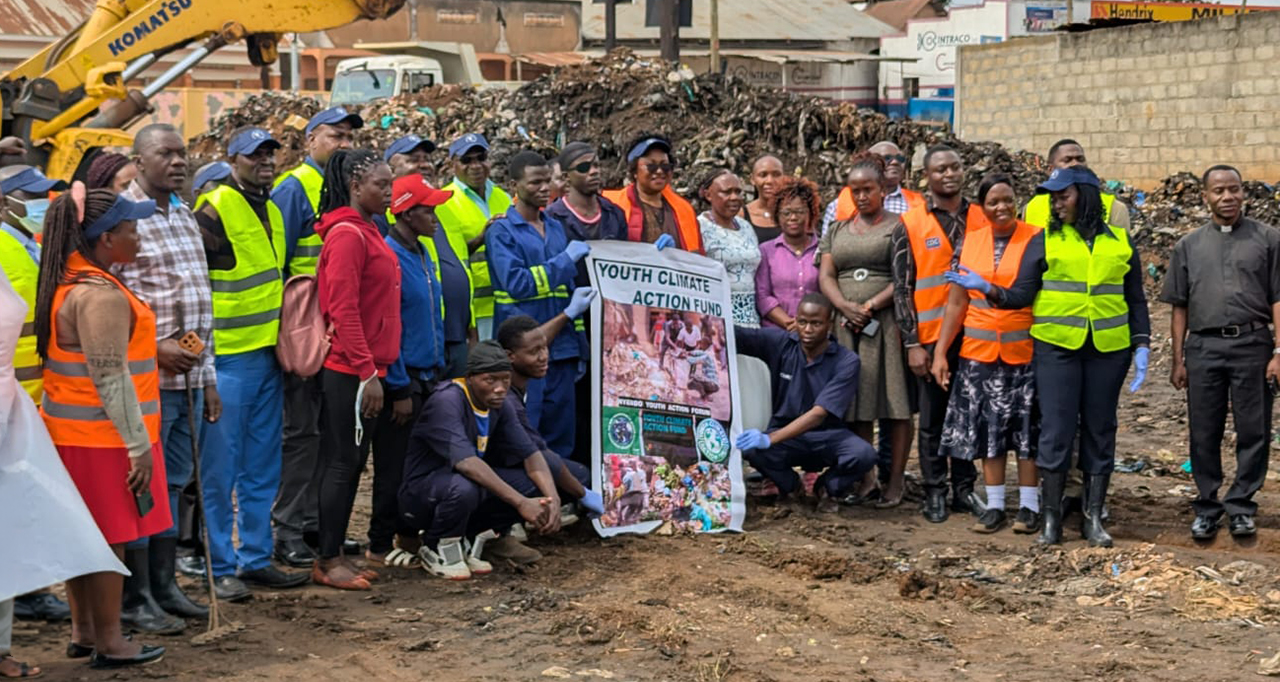
Community leaders participate in a city-wide clean-up of Masaka’s central area as part of the festival’s pre-event activities. Jim Ongowo/International Crane Foundation
Held in Masaka City, the festival reflected the deep cultural connection between Ugandans and the Grey Crowned Crane, a national symbol long associated with peace and identity. This year’s theme, “Cranes, Culture, Livelihoods, and Healing Plants: Conserving Uganda’s Wetland Heritage,” emphasized that wetlands are not only wildlife habitats but also sources of livelihoods, traditional medicine, and climate resilience for millions of people.
According to Uganda’s 2023 nationwide crane census, the country is home to an estimated 13,803 Grey Crowned Cranes, nearly half of the global population of the endangered species. According to the Foundation’s East Africa Regional Director Dr. Adalbert Aine-omucunguzi, crane numbers have declined by about 80 percent over the past 45 years across Africa. The decline has been driven largely by wetland destruction, agricultural expansion, and human disturbance. He warned that the loss of wetlands accelerates climate impacts by reducing natural flood control and water filtration, functions that are increasingly critical as climate shocks intensify.
The festival’s chief guest, Basil Ajel, Director of Tourism, Wildlife and Antiquities, urged communities living near wetlands to take an active role in protecting cranes and their habitats. He emphasized that conservation is inseparable from sustainable development, noting that healthy ecosystems support tourism, agriculture, and long-term economic stability.
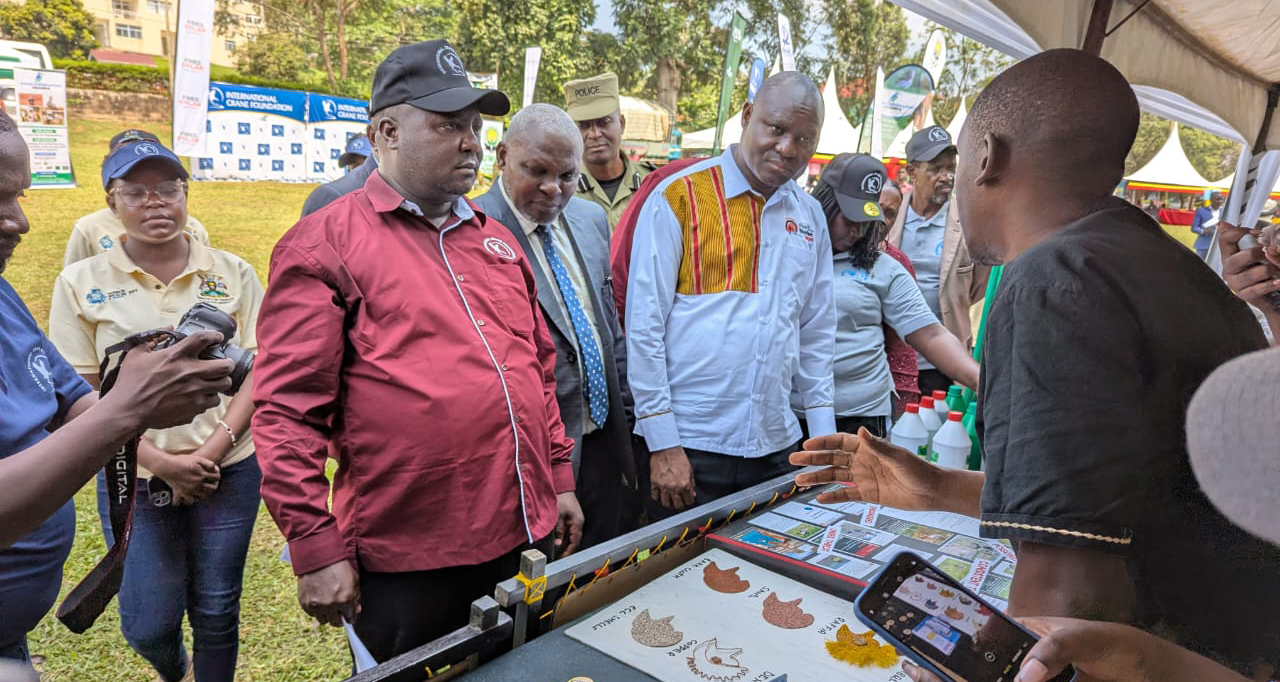
The International Crane Foundation’s East Africa Regional Director Adalbert Aine-Omucunguzi (left) and the festival’s chief guest, Basil Ajel, Director of Tourism, Wildlife, and Antiquities, explore items on display at the Uganda Crane Festival held at the Mayor’s Grounds. Jim Ongowo/International Crane Foundation
While cultural performances and community engagement were central to the festival, enforcement remained a key message. Officials reiterated that Uganda’s wildlife laws impose severe penalties, including life imprisonment, for killing cranes. The approach reflects a growing global consensus that conservation must be backed by strong governance and accountability to counter biodiversity loss and environmental crime.
Beyond enforcement, the International Crane Foundation and its partners highlighted community-driven solutions, including wetland restoration, sustainable farming practices near sensitive habitats, and collaboration with traditional leaders to align conservation goals with local livelihoods.
As the festival concluded, the message from Masaka resonated far beyond Uganda’s borders. Protecting iconic species like the Grey Crowned Crane is not only a national responsibility but also part of a global effort to address climate change, safeguard ecosystems, and ensure that nature continues to support human wellbeing.
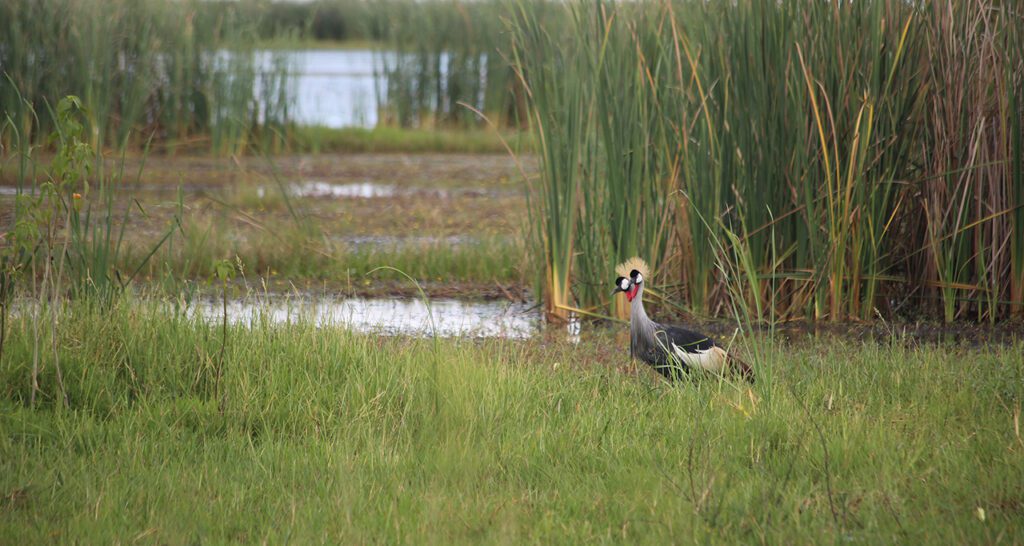
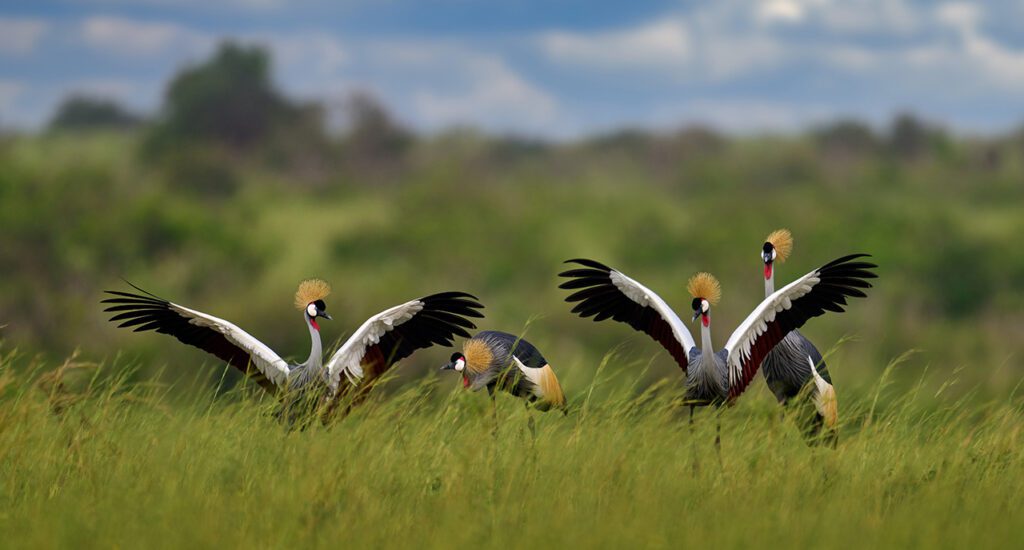
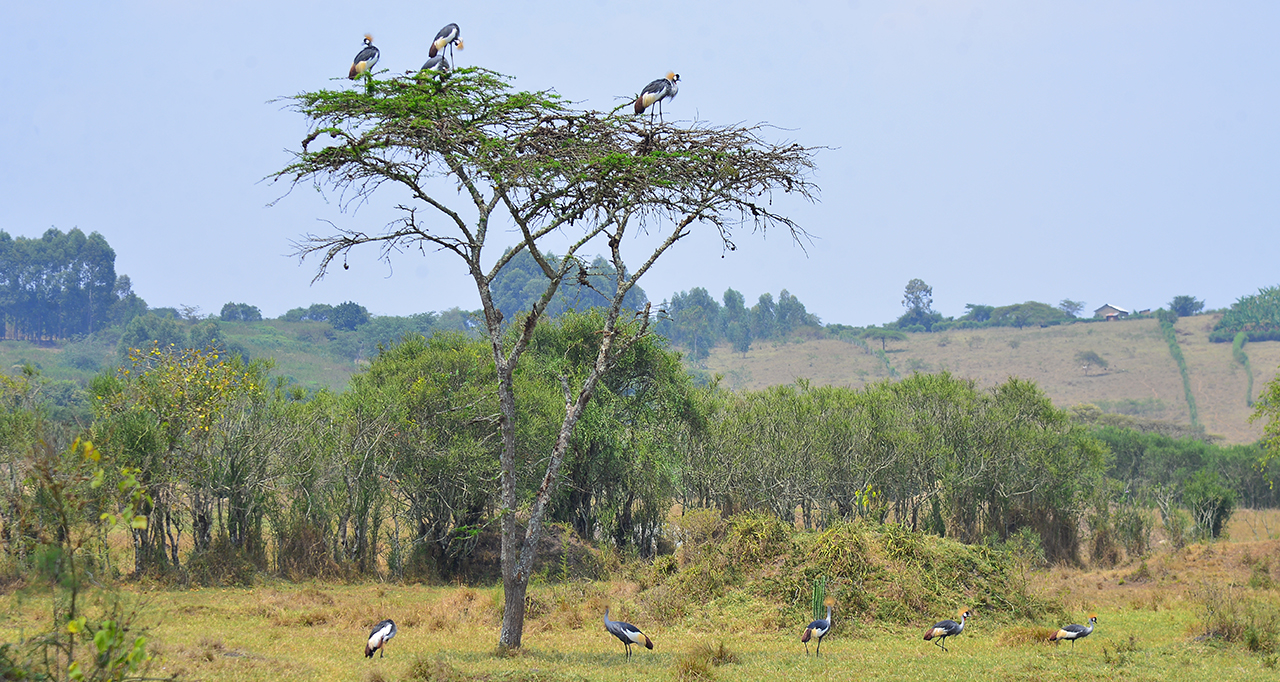
Top photo: Grey Crowned Cranes near Mbarara, Uganda by Kahangye Kagwa