Stand up for Endangered Species
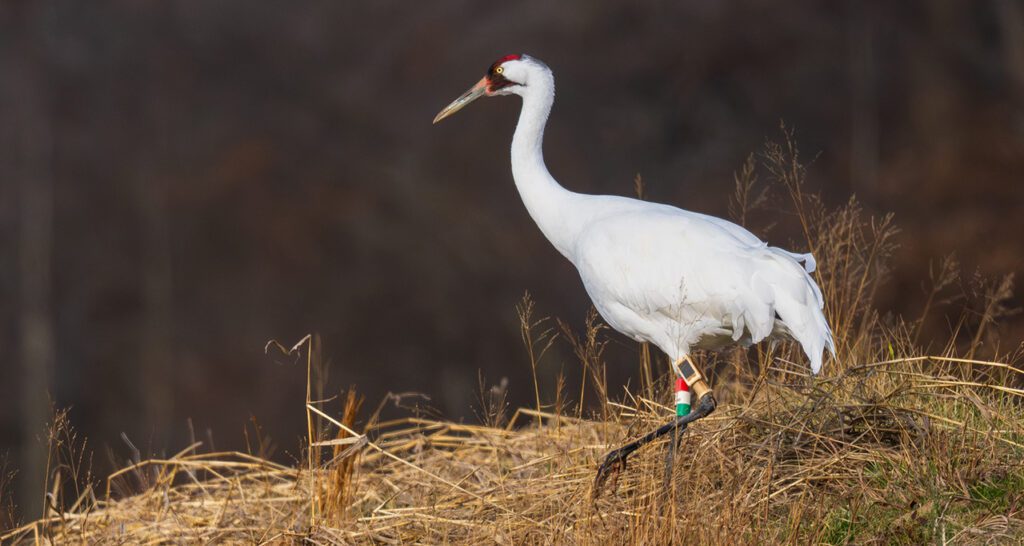
Stand up for endangered species, like the Whooping Crane, and submit your comment(s) on the proposed rule changes to the Endangered Species Act by 11:59 p.m. Eastern Time on December 22, 2025.

Last month, the Trump Administration proposed four new rule changes that would profoundly weaken the Endangered Species Act (ESA), the most important law for protecting and conserving threatened plants and animals in our country. We believe these changes would be catastrophic for Endangered Whooping Cranes, as well as countless other species, and their habitats.
Birds—and cranes as umbrella species—are among the most visible indicators of ecosystem health, and their continued declines demand stronger, not weaker, protections. These proposed rule changes would erode safeguards essential to preventing extinctions, recovering imperiled species, and conserving the habitats on which birds and other wildlife depend.
Signed into law in 1973—the same year as the International Crane Foundation was established—the ESA is a keystone of conservation success. It is credited with saving 99 percent of the species it protects, such as the Endangered Whooping Crane, which was part of the first cohort protected by the law.
Despite its overwhelming success and public support, the ESA has been sharply criticized by those who want to increase mining, drilling, and other land- and water-resource development that could negatively impact the habitat requirements of endangered species.
Stand up for endangered species, like the Whooping Crane, and submit your public comment(s) by 11:59 p.m. Eastern Time on December 22, 2025.
Click on the four proposed rule changes below to find the unique link for each to submit a comment. You may submit a comment for one or all four rule changes.
Following is an example comment you may copy and edit:
Since it was signed into law in 1973, the Endangered Species Act has been credited with saving 99 percent of the species it protects, including the Endangered Whooping Crane, which was part of the very first cohort protected by the law.
Birds—and cranes as umbrella species—are among the most visible indicators of ecosystem health, and their continued declines demand stronger, not weaker, protections. These proposed rule changes would erode safeguards essential to preventing extinctions, recovering imperiled species, and conserving the habitats on which birds and other wildlife depend.
I urge the Administration to withdraw its proposed rule and recommit to the Endangered Species Act’s original mandate: conserving endangered species and the ecosystems they depend on. Strong, science-based habitat protections are crucial for giving imperiled wildlife a real chance at recovery.
The proposal to end the default extension of endangered-level protections to newly listed threatened species would create dangerous gaps in conservation at the exact moment when species are most vulnerable. Requiring economic considerations in developing 4(d) rules, as also proposed, further dilutes the ESA’s science-based mandate.
View the proposed rule change here.
Submit your comment hereThe proposed rule changes would undermine the Section 7 consultation process by ignoring the impact of past federal agency actions. In the new definition, past actions would not be considered, discounting possible cumulative impacts on species.
Additionally, the proposed rule would no longer allow the creation of habitat offsets to be considered reasonable and prudent measures for species conservation or recovery.
Read the proposed rule change here.
Submit your comment hereRequiring consideration of economic impacts when determining whether a species warrants listing contradicts decades of Congressional intent that biological status alone should determine protections.
Allowing economic impacts to weigh in on the listing process would delay, or even eliminate, protections for species of greatest conservation need.
View the proposed rule change here.
Submit your comment here
Collectively, the proposed changes would make it far more difficult to designate the habitats birds need to survive and recover. Limiting designations to only those threats considered during Section 7 consultations disregards real-world drivers of decline, and raising barriers to designating unoccupied, but essential, recovery habitat undermines hope for long-term species recovery.
Without the opportunity to expand into currently unoccupied but critical habitats for survival, some endangered species may not survive. Alternatively, if species are not able to expand their range as they recover, full recovery and delisting may not be possible.
Read the proposed rule change here.
Submit your comment here