International Crane Foundation Opens Nairobi Office to Boost Conservation Efforts in East Africa

CONTACT: Jim Ongowo, Communications & Marketing Specialist, East Africa
Nairobi, Kenya — February 26, 2026 — The International Crane Foundation today officially opened its Nairobi office, marking an important milestone in strengthening science-driven conservation, wetlands protection, and community-led environmental initiatives across East Africa.
The establishment of the Nairobi office enhances the Foundation’s ability to support and coordinate conservation efforts in Kenya and neighbouring countries, specifically as it relates to the Endangered Grey Crowned Crane. The office will strengthen collaboration across research, policy engagement, partnerships, and field-based conservation activities at a time when wetlands and wildlife in East Africa face increasing pressure from climate change, land-use change, and population growth.
The International Crane Foundation was officially registered to operate in Kenya in August 2025. For nearly three decades prior to this registration, the Foundation implemented conservation programs through partnerships with local and regional conservation groups, working collaboratively to protect cranes and wetlands while strengthening local conservation capacity.
“The Grey Crowned Crane is a flagship species for the nation’s wetlands and a powerful emblem of cultural heritage,” said International Crane Foundation President and CEO Dr. Rich Beilfuss. “Yet its population has been declining at an alarming rate across East Africa due to wetland loss, degradation of surrounding catchments, and increasing human pressure on nests, eggs, and chicks.”

When we began working in Kenya, we understood that our conservation efforts would only succeed if they were firmly rooted in the needs and aspirations of the local communities who live alongside cranes. In Kenya, this required long-term investment in local staffing, strong partnerships with communities, government agencies, and other NGOs, and a deep commitment to science-based solutions, which we have done and remain committed to continuing.
East Africa’s wetlands are critical to water security, agriculture, wildlife conservation, and livelihoods. Cranes, widely recognized as indicators of wetland health, play a key role in these ecosystems, making their conservation central to broader efforts to safeguard biodiversity and enhance climate resilience across the region.
“Our integrated methodology links ecological restoration with livelihoods, education, and human wellbeing and includes conservation agreements, wetland restoration, crane monitoring, with tangible benefits such as clean water access, climate smart agriculture, school programs, and income-generating activities,” said International Crane Foundation’s Kenya Country Manager Kabelo Adan. “This approach will ensure that conservation outcomes are aligned with everyday community priorities.”
The Foundation remains committed to working in partnership with governments, research institutions, civil society organizations, and local communities to deliver lasting conservation impact. The opening of the Nairobi office underscores the organization’s long-term commitment to East Africa and to locally driven, science-based solutions that benefit both people and nature.
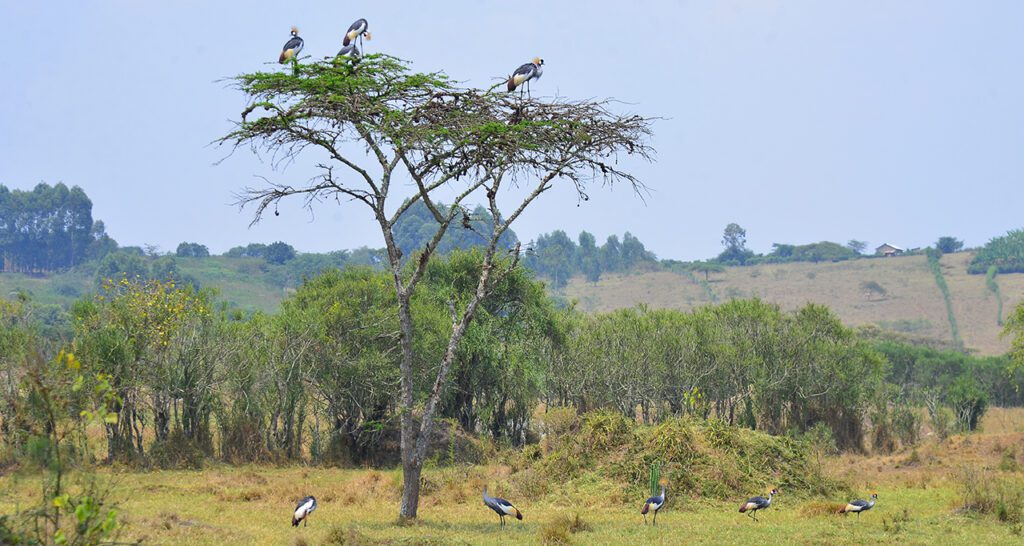
Photo: Wanyoike Wamiti/International Crane Foundation