The International Crane Foundation will receive a $25 donation for each registered new plate and every time you renew your license plate in the future. By doing so, you can show your support for cranes and give an easy recurring gift to support our work with Sandhill and Whooping Cranes in Wisconsin.
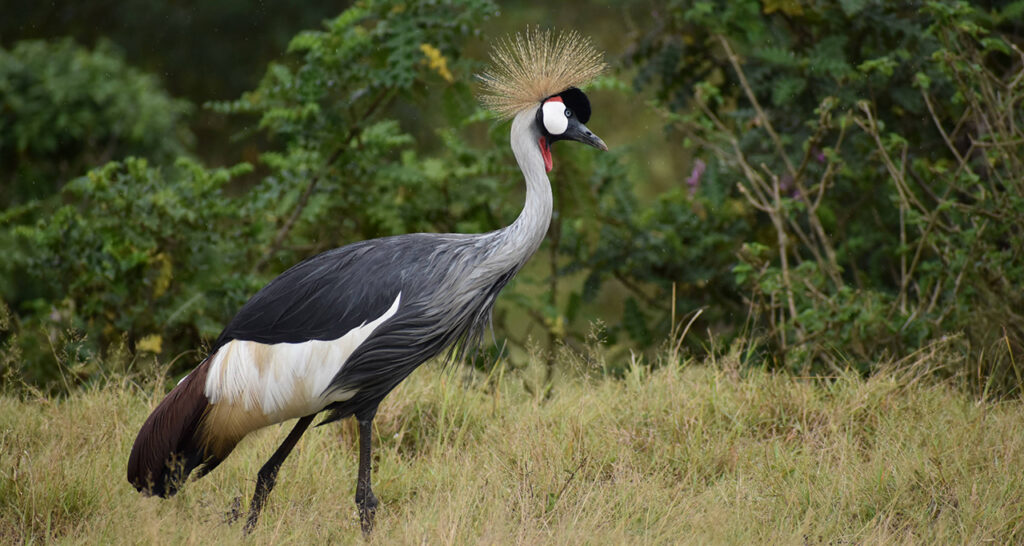
How do you secure Rwanda’s beloved Grey Crowned Cranes and other threatened wildlife that depend on healthy wetlands and agricultural landscapes for their survival?
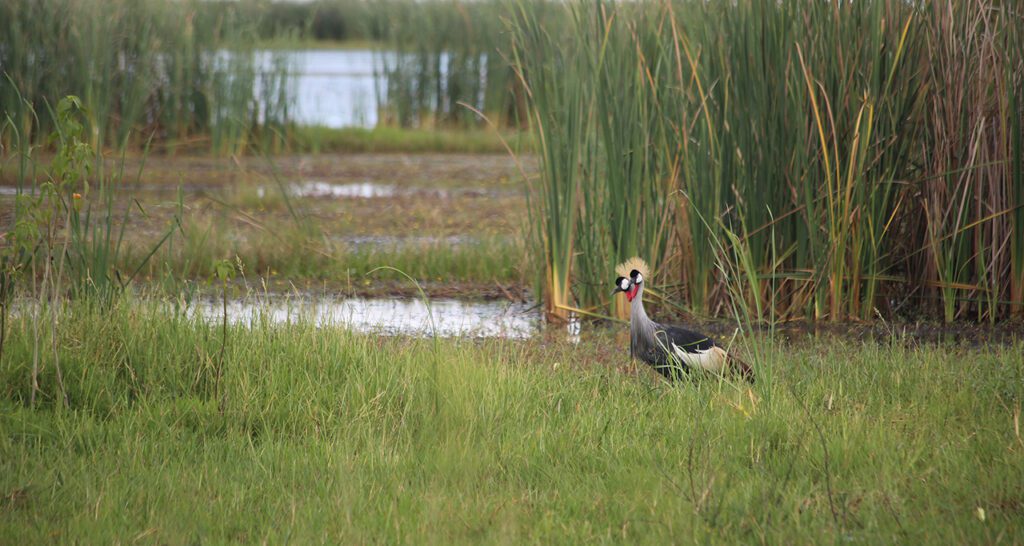
The International Crane Foundation in Africa calls for governments, organisations, and individuals to work alongside traditional custodians to restore wetlands for a secure future of cranes and people ahead of World Wetlands Day to be celebrated on 2nd February under the theme “Wetlands and Traditional Knowledge: Celebrating Cultural Heritage.”
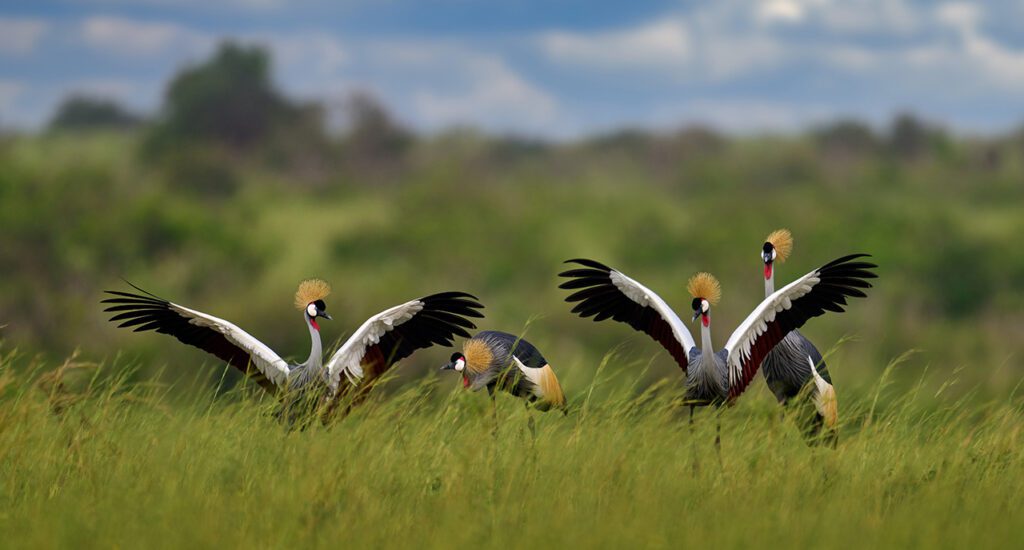
This successful approach to conservation will be shared by Kerryn Morrison, the International Crane Foundation/Endangered Wildlife Trust Partnership’s Vice President of Africa Programs, during the 9th Session of the Meeting of the Parties of the African-Eurasian Migratory Waterbird Agreement (AEWA MOP9) held from November 11-14 in Bonn, Germany.
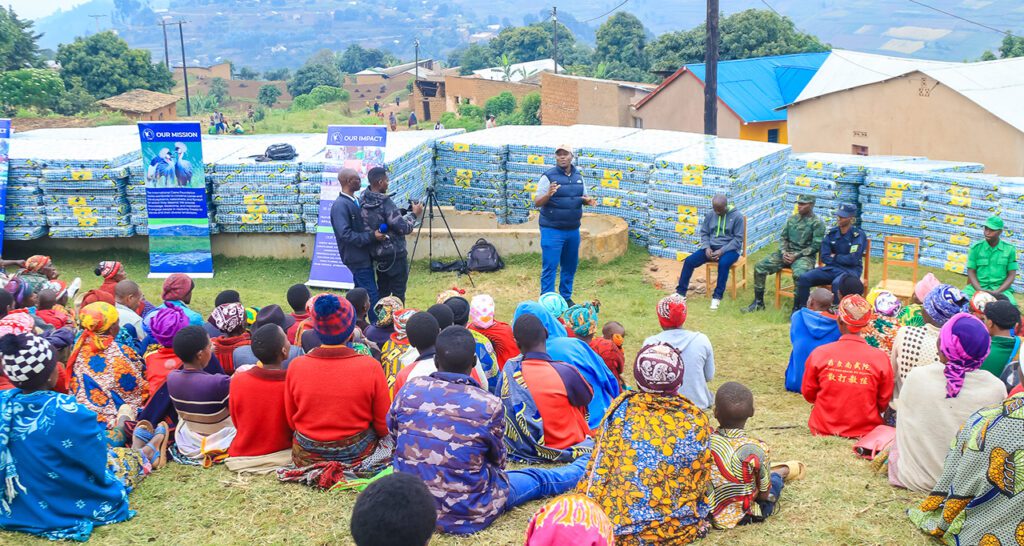
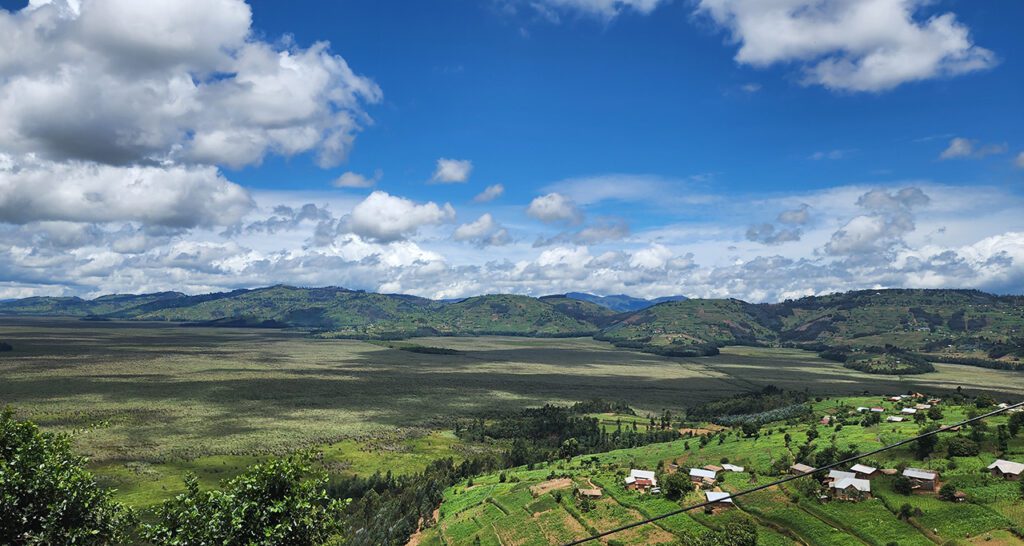
Deep in northern Rwanda lies Rugezi Marsh, a 6,735-hectare high-altitude peatland that plays a crucial role in both biodiversity and people’s daily lives. The marsh is not only a breeding site for more than 25% of Rwanda’s Grey Crowned Crane population, but it also regulates the water flow to Burera and Ruhondo lakes—vital sources of the country’s hydroelectric power.
Earlier this month, the International Crane Foundation, along with government officials, partners, universities, and others, celebrated the project’s past successes and introduced future conservation plans – including the Foundation’s registration as an authorized NGO in Rwanda and a new office space in Kigali.
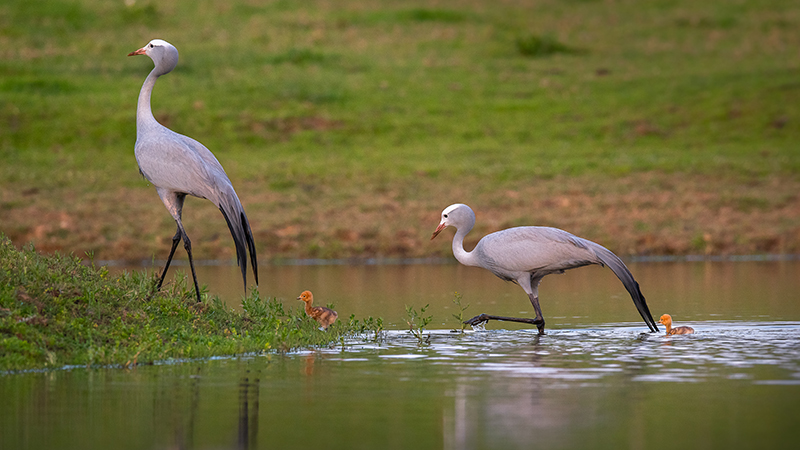
Join us in celebrating World Wetlands Day on Feb. 2 – Protecting Wetlands for Our Common Future!
No results found.
Adjust the filters and try again.