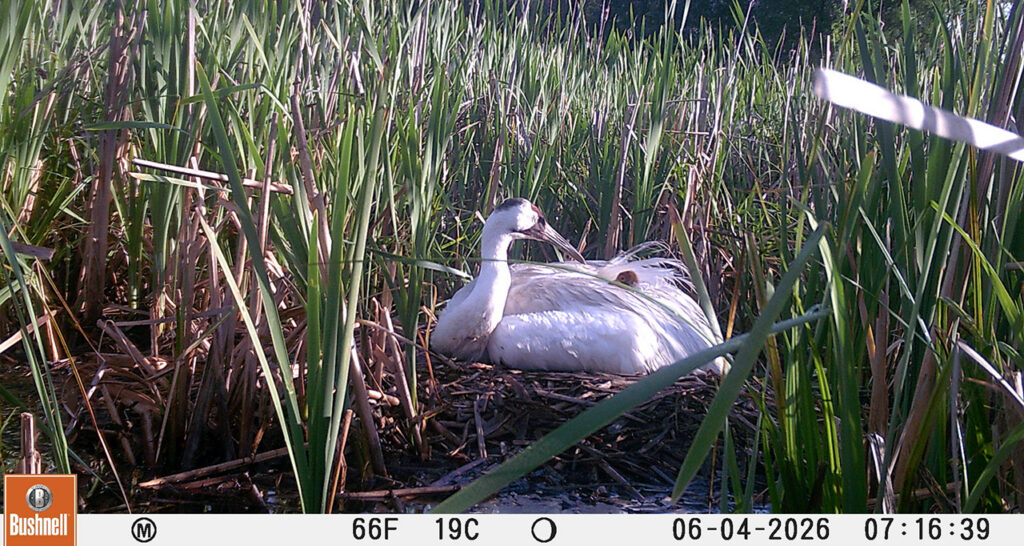
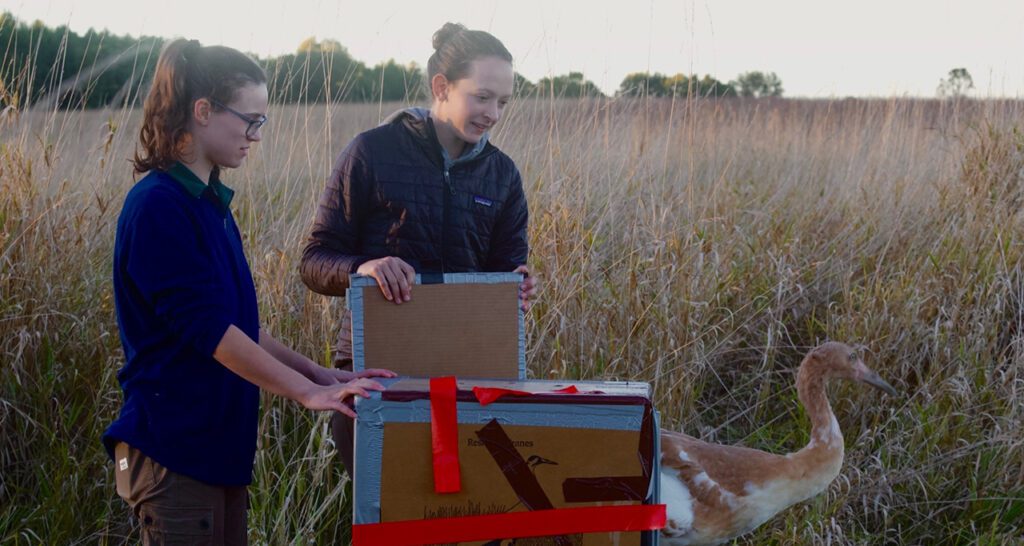
We are excited to announce that there are four new Whooping Cranes flying over the wetlands of Wisconsin! Each spring, Whooping Cranes return to their home marshes, pile vegetation high to build their nests, and carefully lay up to two eggs. They incubate their eggs for about a month, and then fuzzy little Whooping Crane chicks hatch.
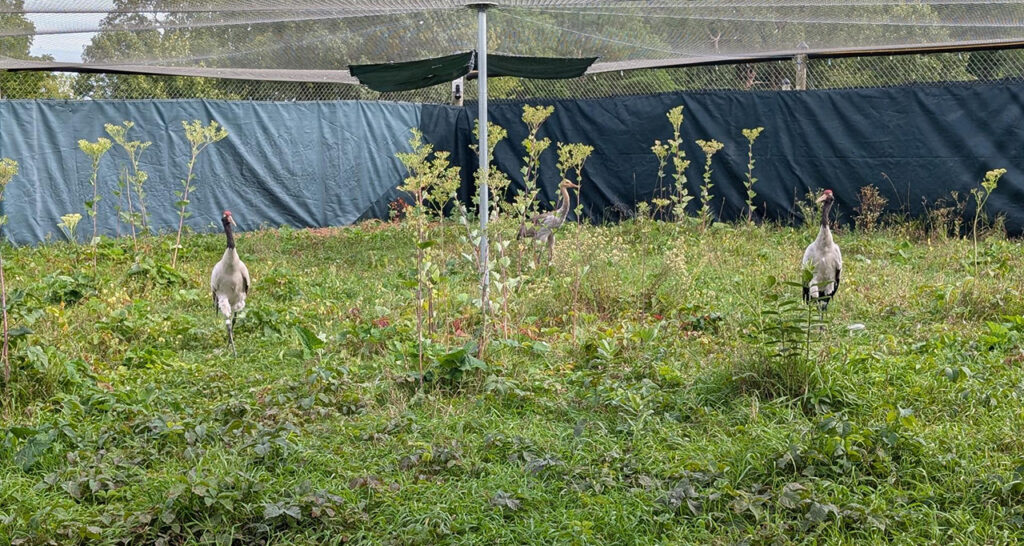
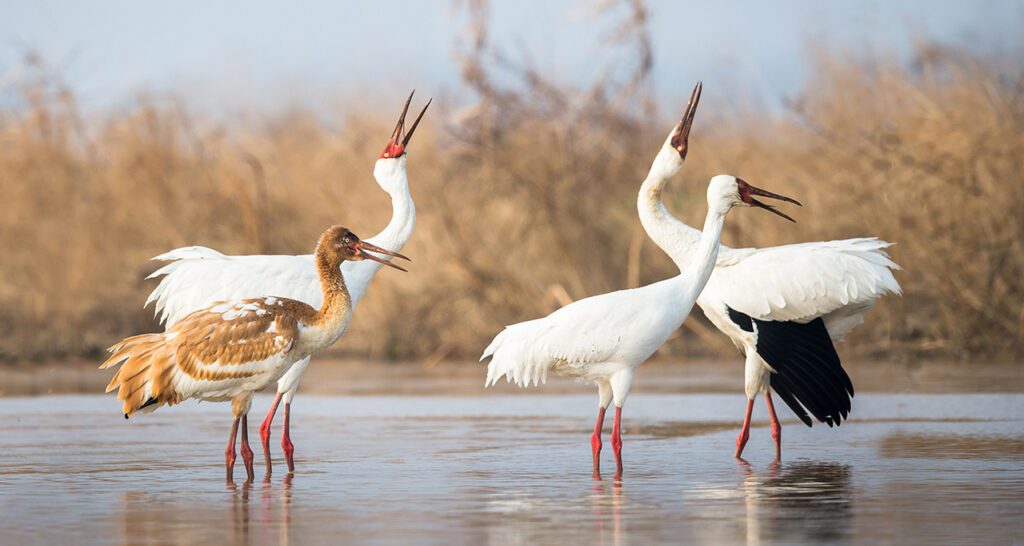
On the opposite end of Crane City lives a pair of female Black-necked Cranes, Gimli and Glacier. Over the past several years, Gimli and Glacier have laid eggs and have done a fantastic job incubating valuable Whooping Crane eggs. Still, it was high time for them to shine by helping out their own species and raising a chick of their own, preferably a male.
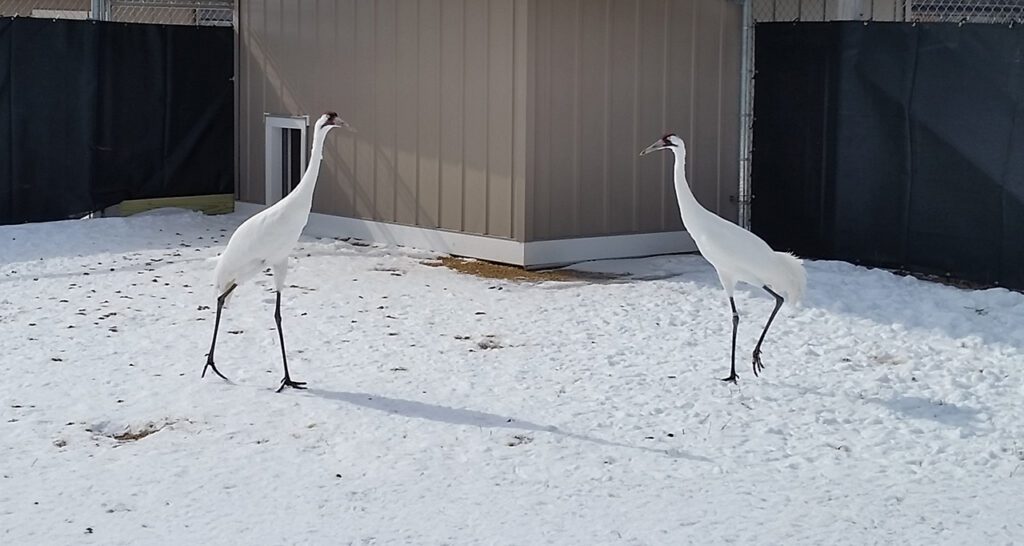
If you ask the Crane Conservation Department—our aviculture team responsible for the daily care of our flock—what’s going on with our cranes during the winter months, you will likely hear us talk about “socialization.”
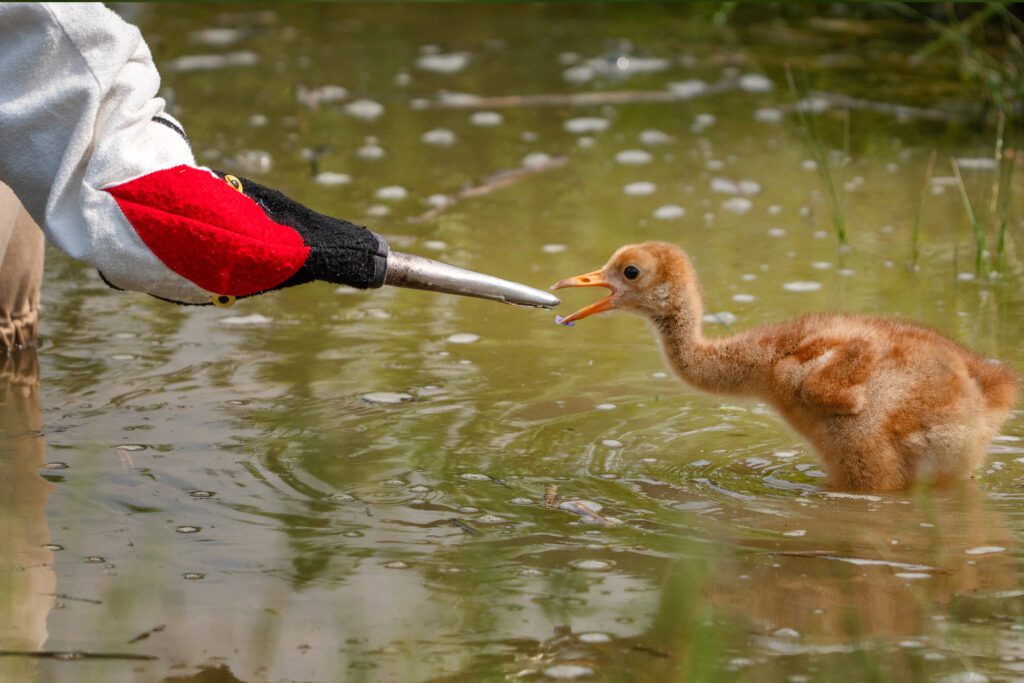
As we reflect on another amazing year of crane conservation, we are highlighting some of our favorite photos from the field.
The latest edition of the International Crane Foundation’s Annual Report explores the conservation impact our members, donors, and supporters have contributed to throughout fiscal year 2025.
The International Crane Foundation’s new 10-Year Vision (2025–2035) presents a bold, ambitious, global strategy to ensure that all 15 crane species survive and thrive, along with the people who live with them.
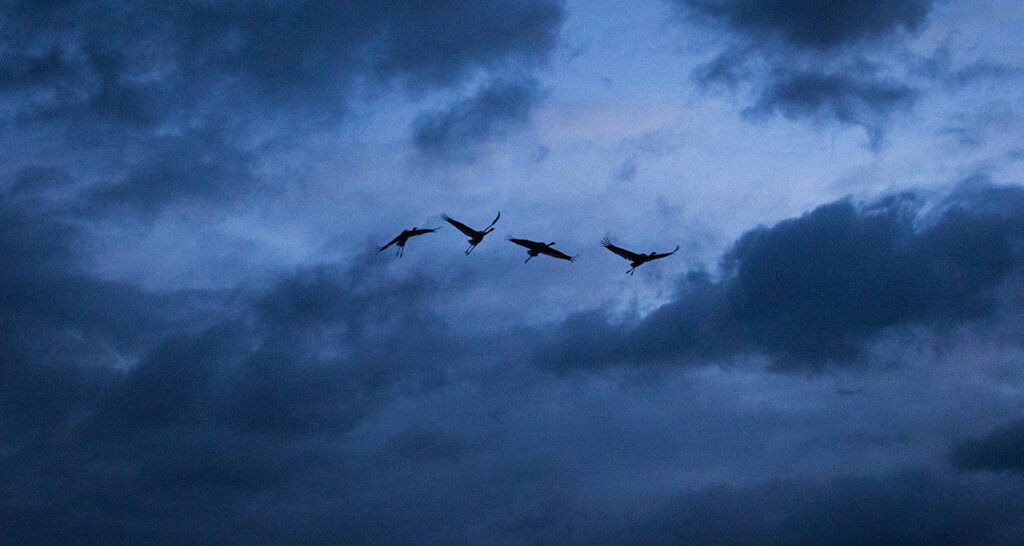
An Endangered Whooping Crane, lovingly named “Ducky,” died earlier this month due to Highly Pathogenic Avian Influenza (HPAI). The loss marks the first confirmed death of a Whooping Crane due to HPAI.
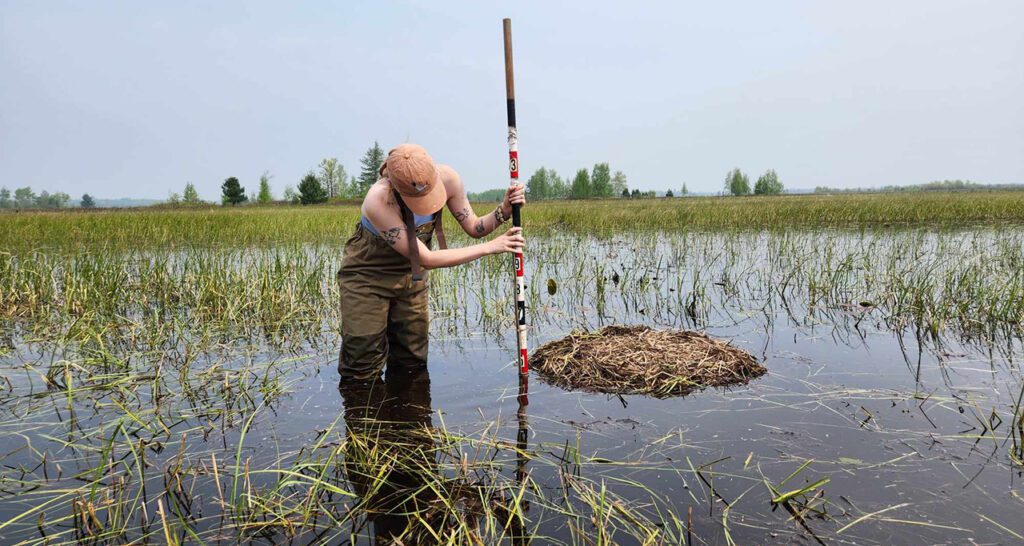
How can we better understand renesting behavior and the potential it plays in maximizing the breeding season for this endangered species?
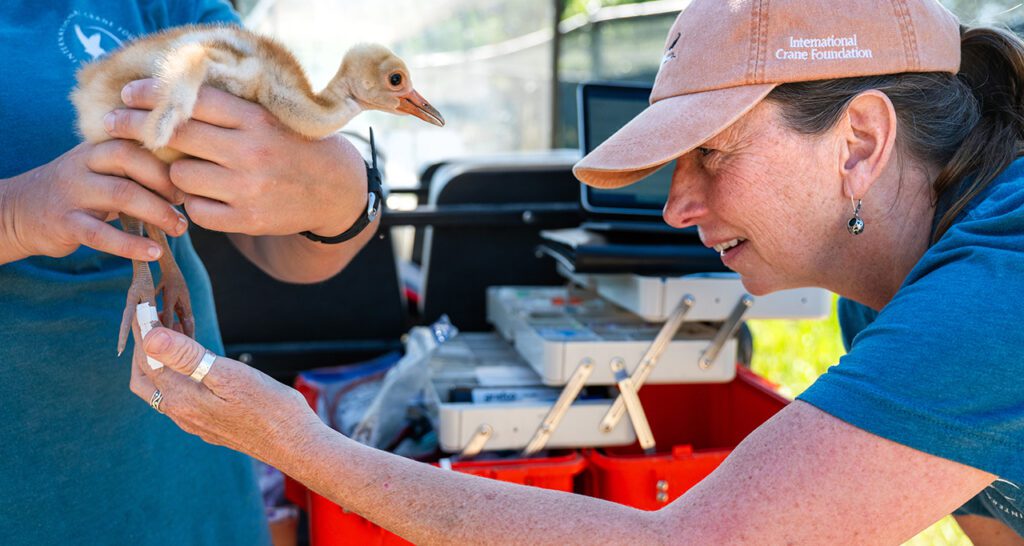
Over the past five years, our aviculture staff has been working to strategically increase the number of Sarus Cranes in our residential flock at our Global Headquarters, aiming to meet our specific collection goals for this species. We acquired an established pair, Yuva and Minu, to serve as our Sarus Crane ambassadors on exhibit at the Crane Discovery Center.
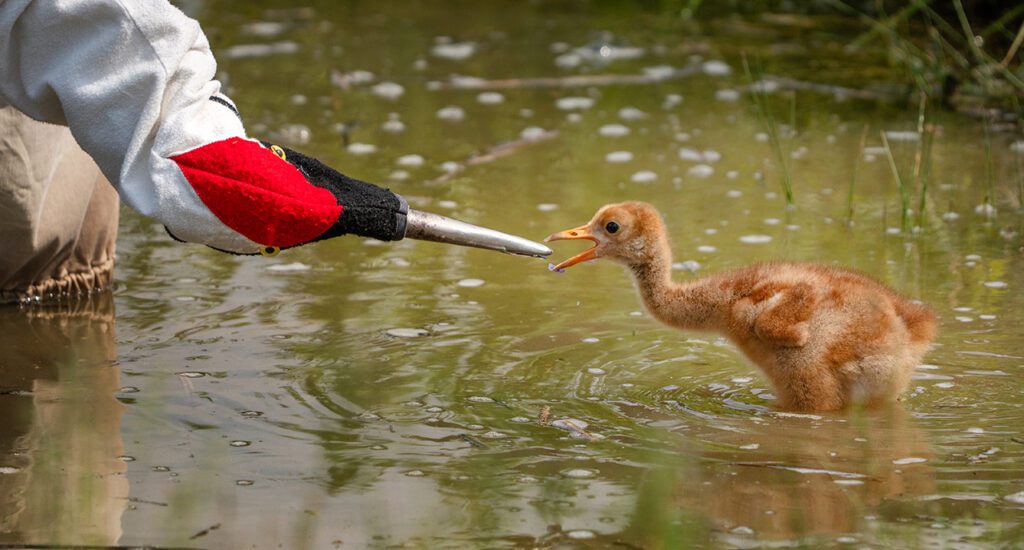
The Aviculture team has had a busy past few weeks with the hatching of 12 Whooping Crane chicks at our headquarters!
No results found.
Adjust the filters and try again.