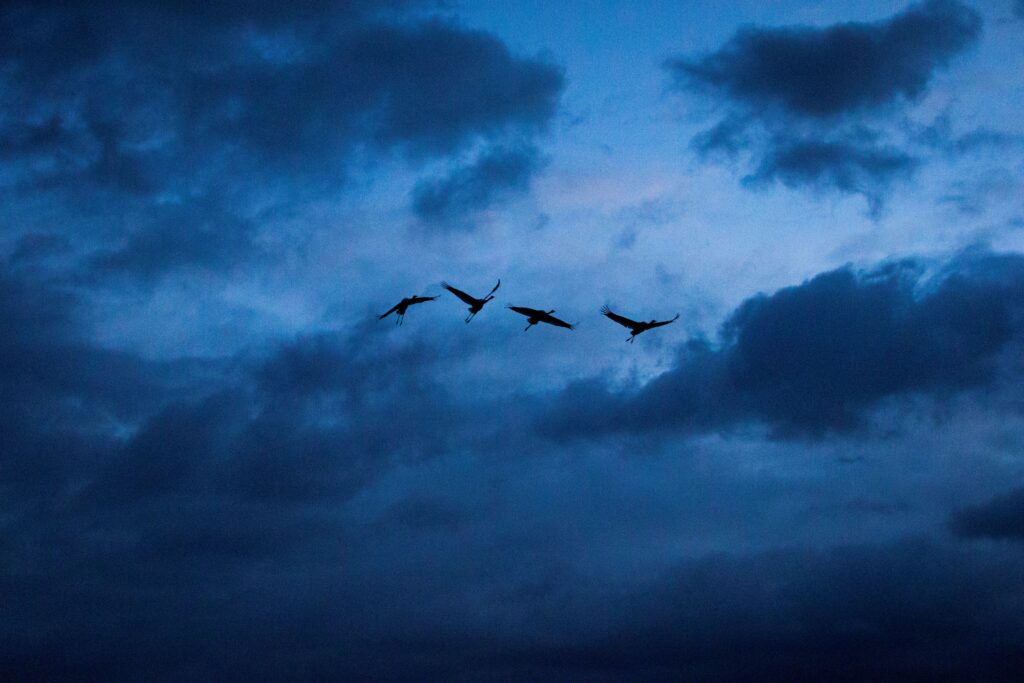
Today’s actions directly threaten recovery of the Endangered Whooping Crane, one of the first species protected by the Endangered Species Act
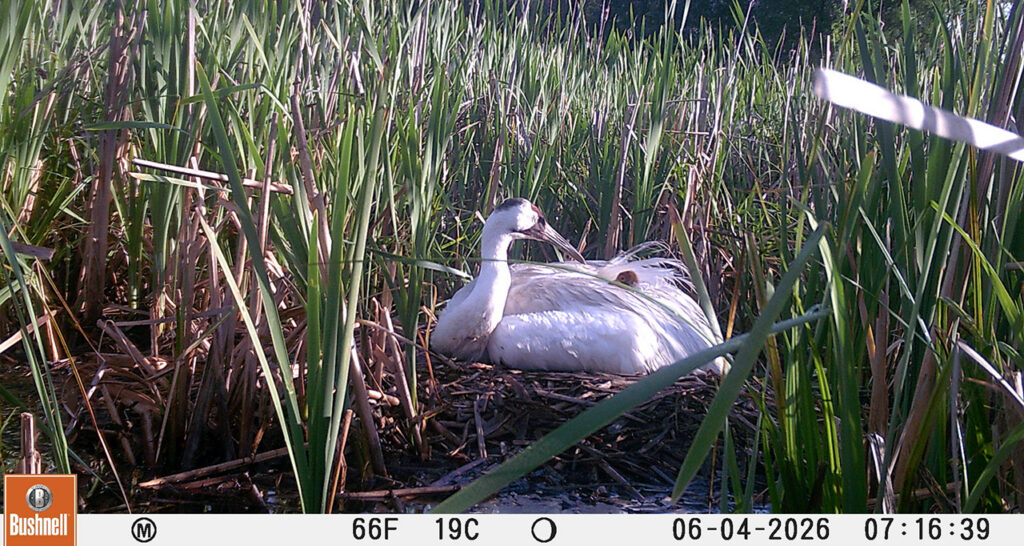
We are excited to announce that there are four new Whooping Cranes flying over the wetlands of Wisconsin! Each spring, Whooping Cranes return to their home marshes, pile vegetation high to build their nests, and carefully lay up to two eggs. They incubate their eggs for about a month, and then fuzzy little Whooping Crane chicks hatch.

During August, two more Whooping Crane chicks reached fledging age in the Eastern Migratory Population!
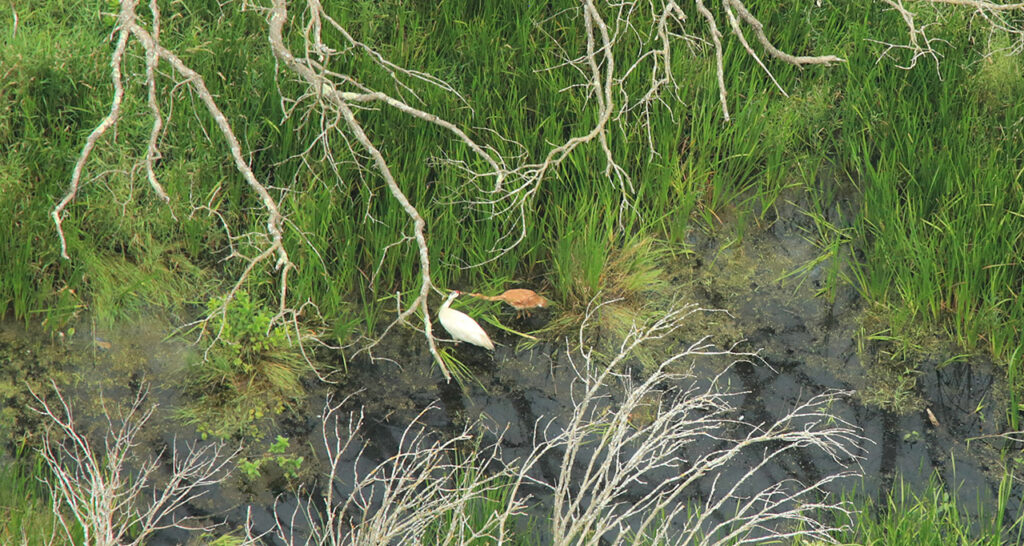
In July, the year’s first two chicks fledged in the Eastern Migratory Population!
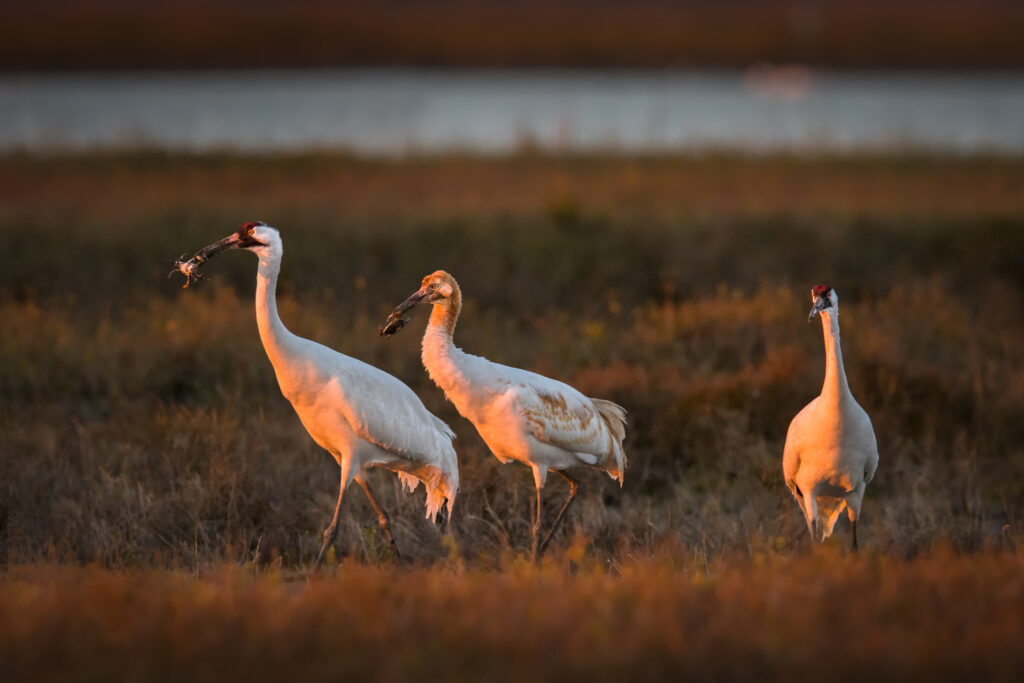
This rule change directly threatens the continued recovery of the Endangered Whooping Crane, one of the first species protected by the Endangered Species Act
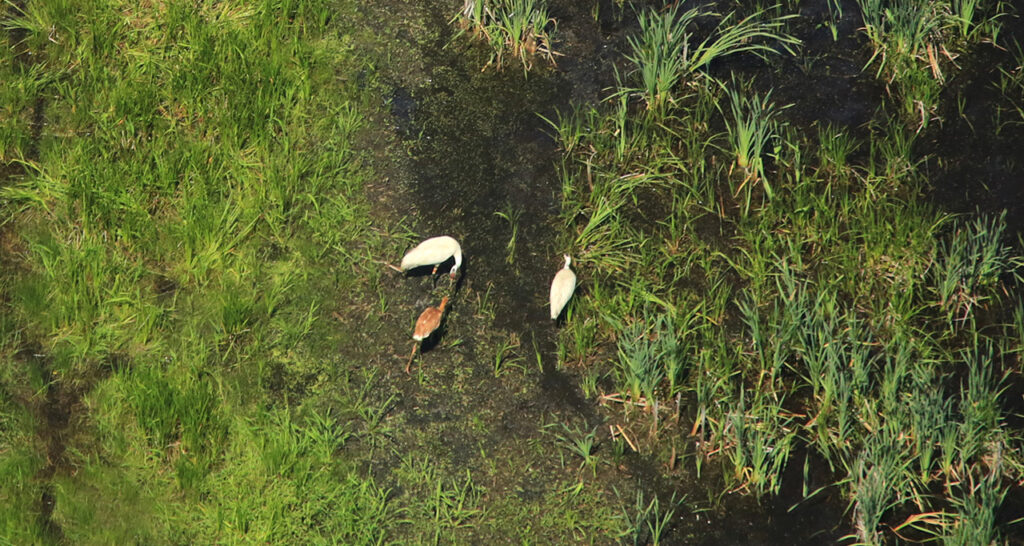
This year’s chicks are getting bigger in the Eastern Migratory Whooping Crane population!
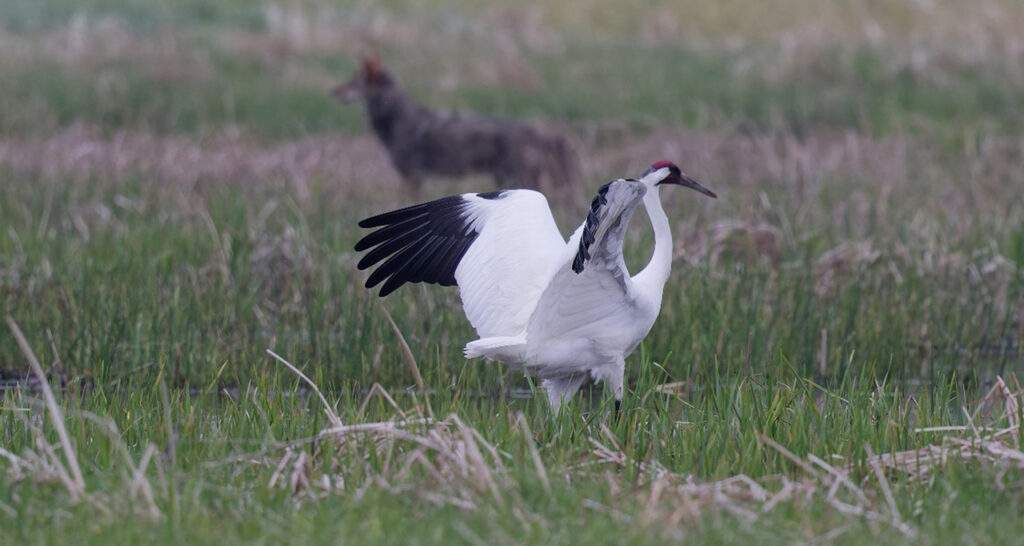
From 2019-2024, our team monitored 81 Whooping Crane nests across Wisconsin to determine the main predators of the population’s eggs.
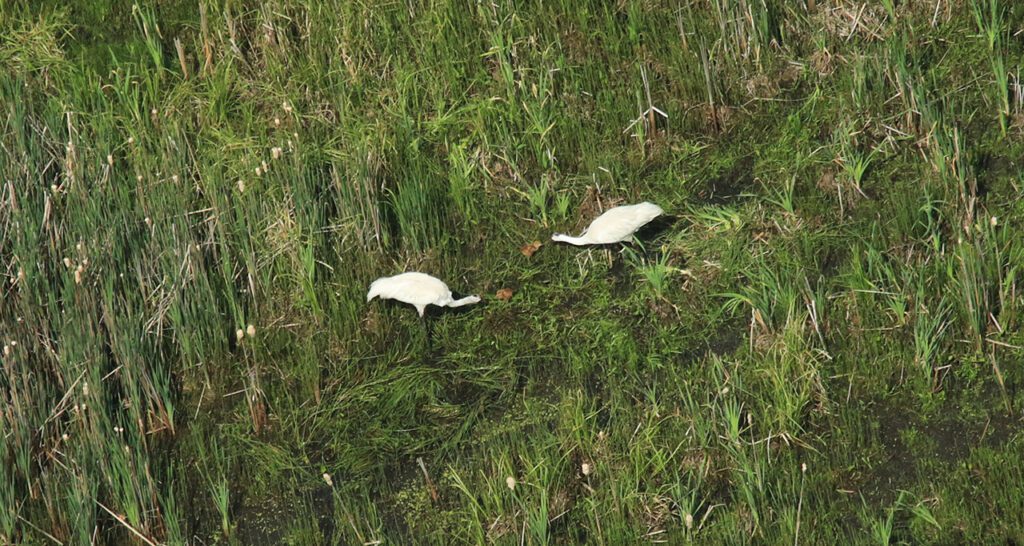
In May, chicks have started hatching in the Whooping Crane Eastern Migratory Population!
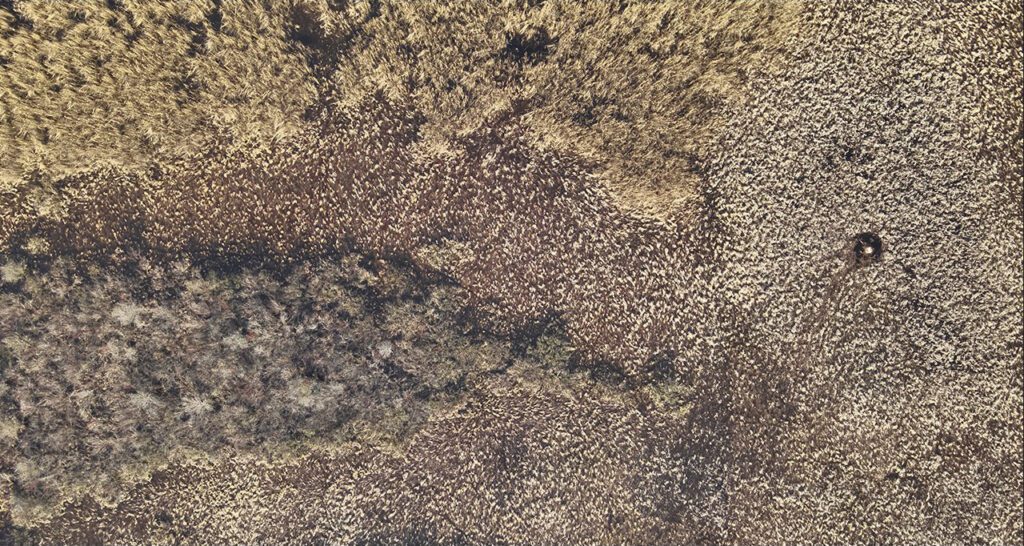
In April, the Whooping Cranes in the Eastern Migratory Population began nesting in Wisconsin!
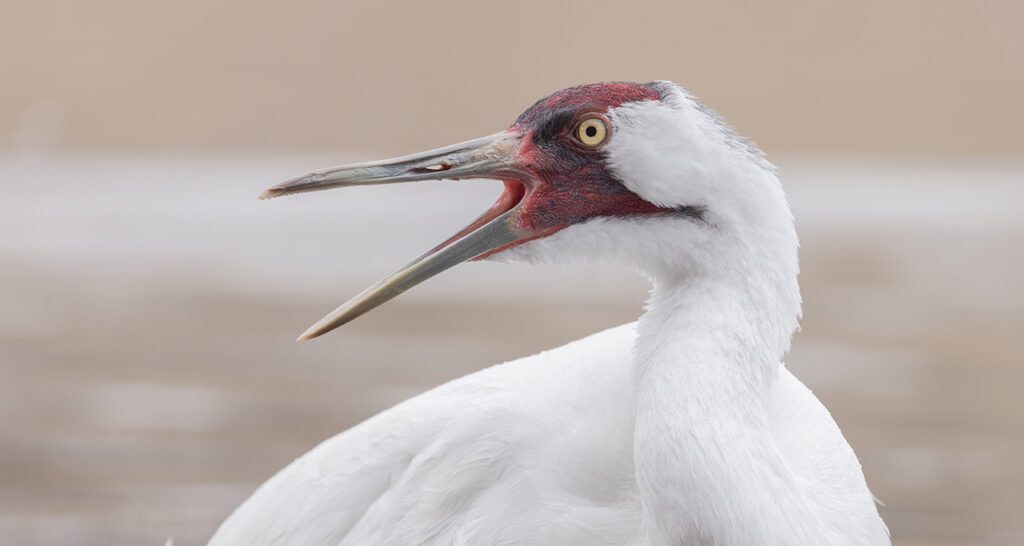
The International Crane Foundation is deeply concerned following the recent illegal shooting of a Whooping Crane in Evangeline Parish, Louisiana — the second such incident in the parish in less than two months. It is the third time in just over two years that a Whooping Crane has been poached in the parish.
No results found.
Adjust the filters and try again.