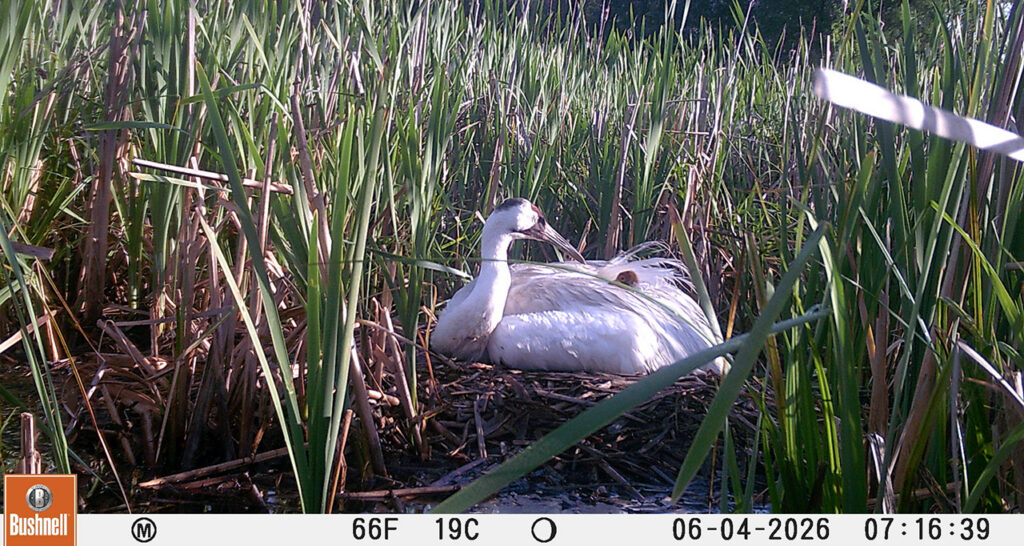
We are excited to announce that there are four new Whooping Cranes flying over the wetlands of Wisconsin! Each spring, Whooping Cranes return to their home marshes, pile vegetation high to build their nests, and carefully lay up to two eggs. They incubate their eggs for about a month, and then fuzzy little Whooping Crane chicks hatch.
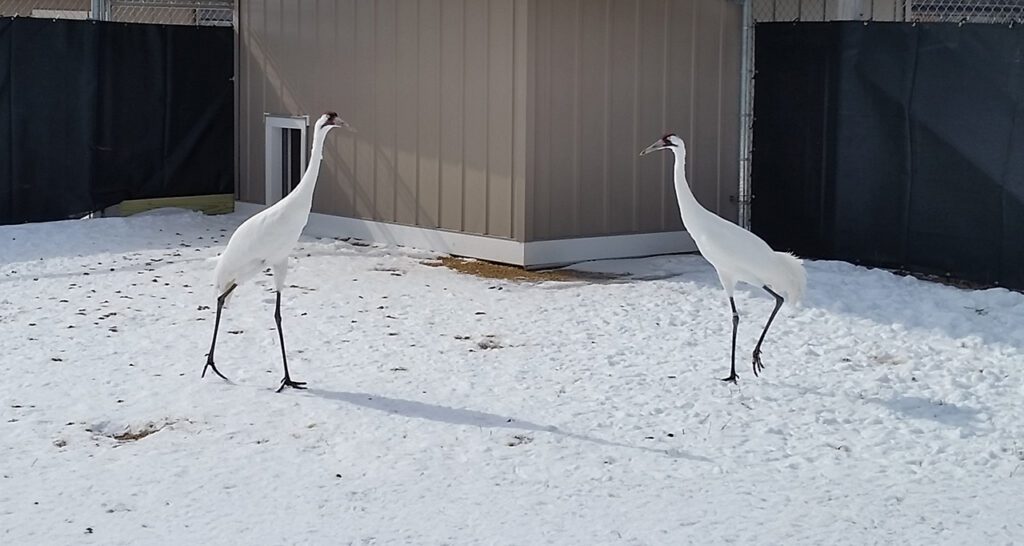
If you ask the Crane Conservation Department—our aviculture team responsible for the daily care of our flock—what’s going on with our cranes during the winter months, you will likely hear us talk about “socialization.”
New Visitor Center in Okhotsk Perevoz, Yakutia, established for migratory bird research and education activities.
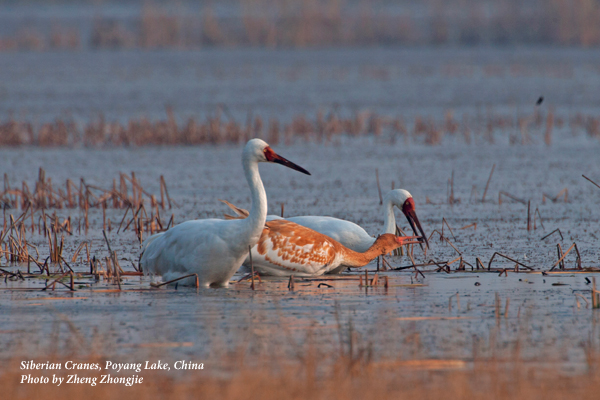
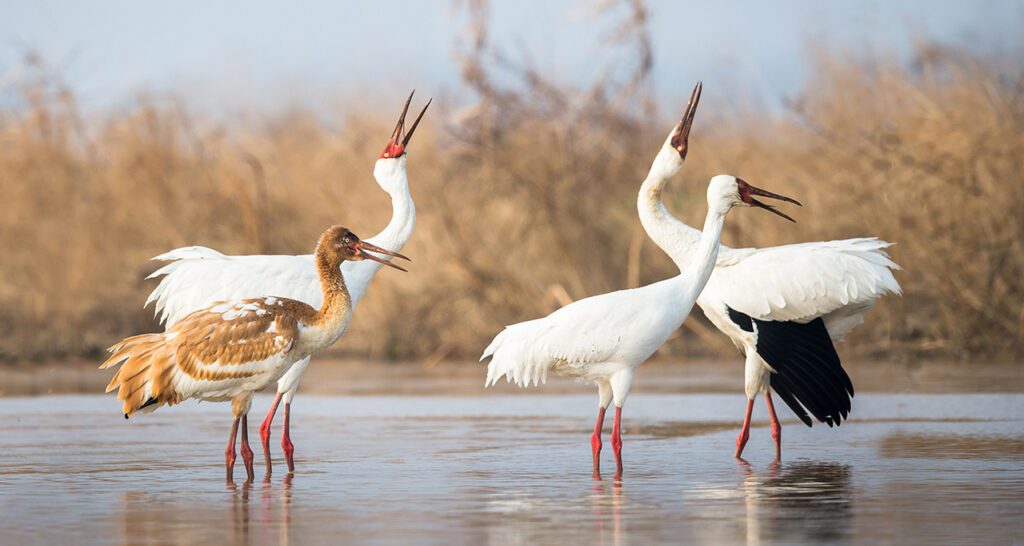
In the vast sky, the Siberian Crane, with its graceful figure and tenacious migratory journey, has become a legend of nature. Among these migratory birds, there is a female Siberian Crane whose life has written a touching story. She is S25, a name remembered by countless people, a symbol of courage, resilience, and hope.
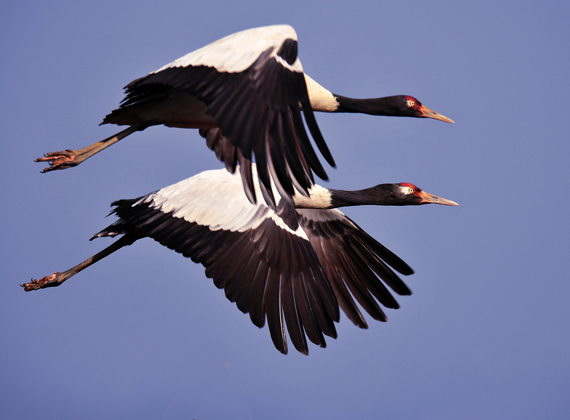
We asked our staff for their top ten facts about crane migration to create this list – we hope you are inspired to learn more about the mystery of bird migration!
Monthly summary of media stories highlighting our global programs.
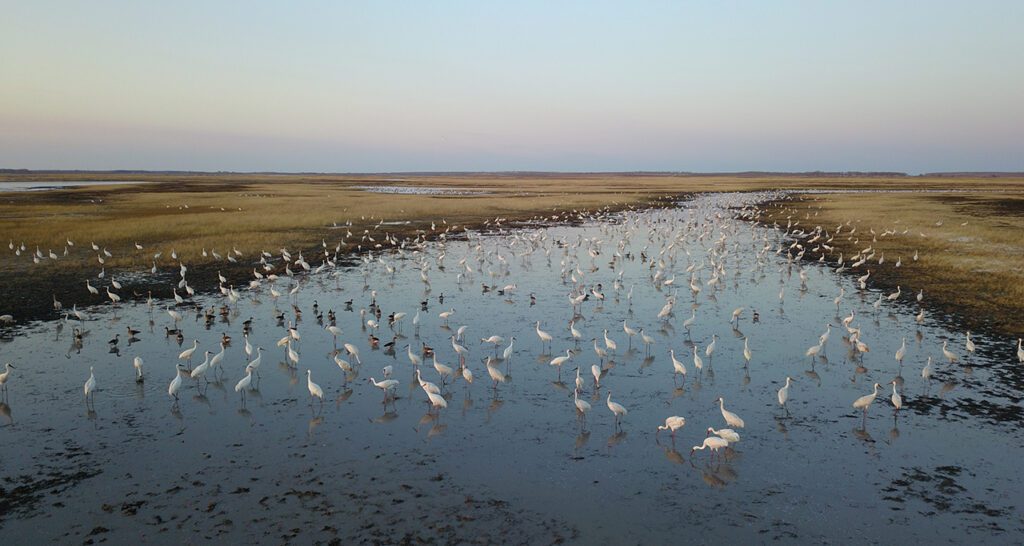
After a successful 10-year partnership for Siberian Crane Flyway Conservation, the International Crane Foundation announced the population of Siberian Cranes in the eastern flyway region has increased from less than 3,500 in 2015 to almost 7,000 cranes today. The Foundation held closing ceremonies in China last week to celebrate the Saving Wildlife for Siberian Crane Project, with 110 representatives from government departments, protected areas, scientific research institutions, non-governmental organizations, volunteers, and communities attending the ceremony and workshop.

The Wildlife Science and Conservation Center of Mongolia held the grand opening ceremony for the new Khurkh Ecological Research and Community Center on August 19 in the Khurkh-Khuiten Nature Reserve in northeast Mongolia. The nature reserve is a world-renowned wetland site for its international importance and crane conservation in East Asia.
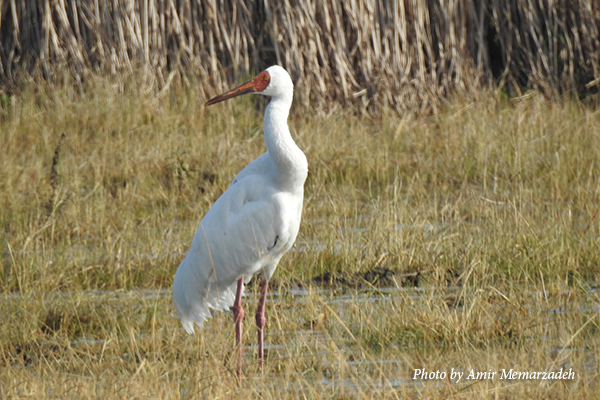
“This is the story of the last of the western population of Siberian Cranes, a group discovered by Dr. Ali Ashtiani in 1978. They numbered 12-14 cranes and inhabited a wetland complex where local people trapped wild ducks and geese.
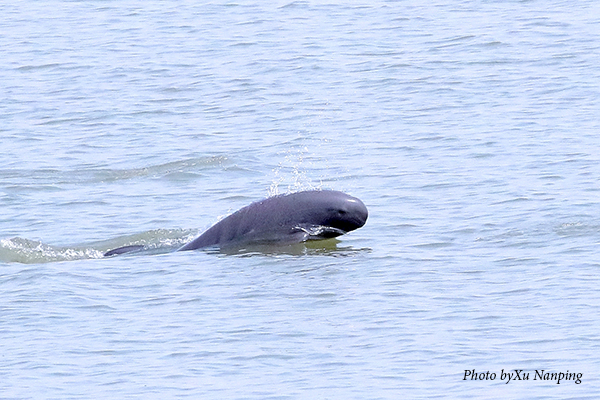
As the only member of the Living Lakes Network from China, Poyang Lake is Asia’s largest wintering ground for migratory birds. It also offers habitats and shelter for the Yangtze finless porpoise and many other rare and endangered species.
No results found.
Adjust the filters and try again.