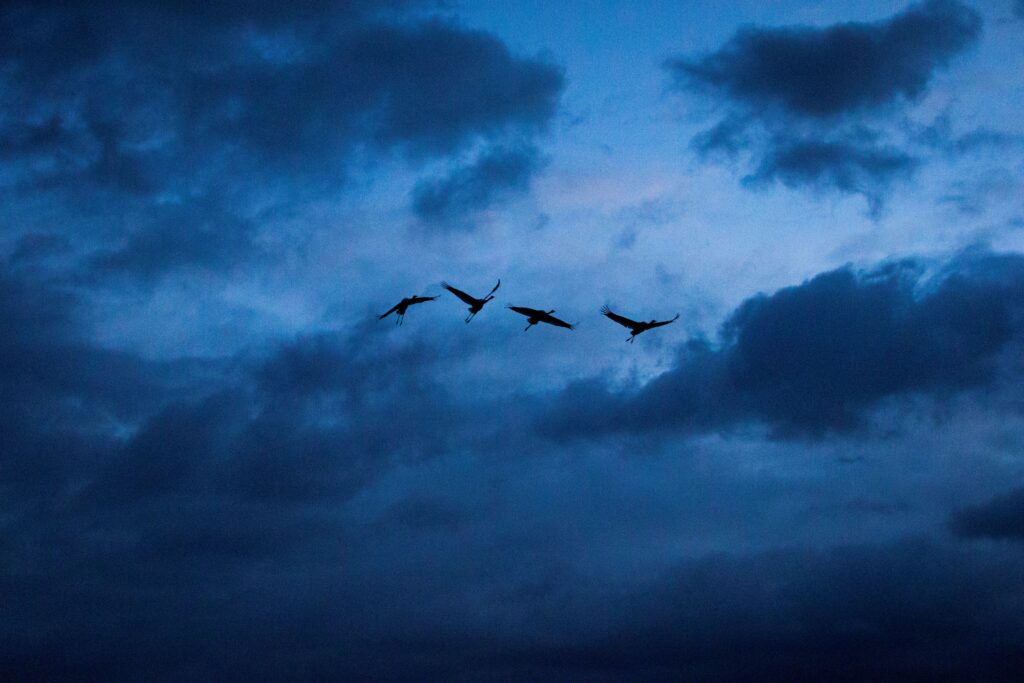
Today’s actions directly threaten recovery of the Endangered Whooping Crane, one of the first species protected by the Endangered Species Act
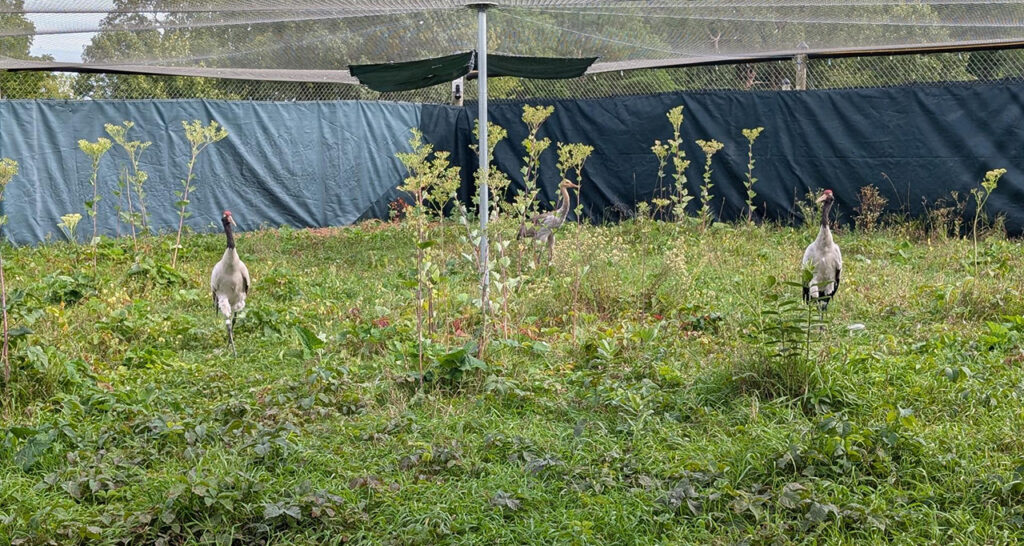
On the opposite end of Crane City lives a pair of female Black-necked Cranes, Gimli and Glacier. Over the past several years, Gimli and Glacier have laid eggs and have done a fantastic job incubating valuable Whooping Crane eggs. Still, it was high time for them to shine by helping out their own species and raising a chick of their own, preferably a male.
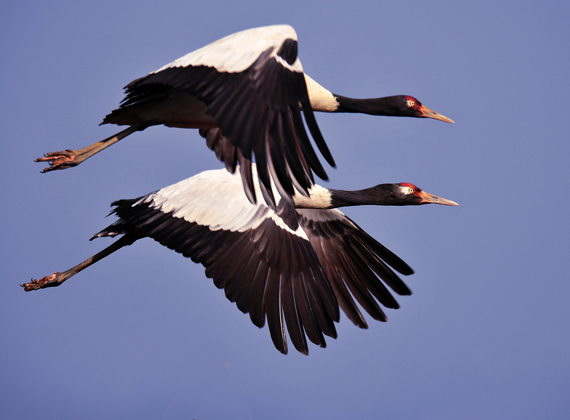
We asked our staff for their top ten facts about crane migration to create this list – we hope you are inspired to learn more about the mystery of bird migration!
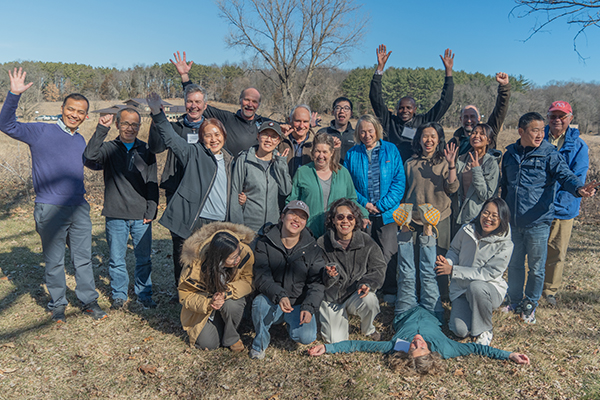
The International Crane Foundation has brought conservation experts from China, Germany and across the U.S. to our Baraboo, Wisconsin, headquarters this week to discuss a three-year project to save the Near Threatened Black-necked Crane and its wetland habitats in Asia. Additionally, experts from Bhutan and India are joining the workshop virtually.
Together we must learn, adapt, and improve our wetland conservation and management practices to encourage and sustain people and wildlife. Wetlands can serve as centers of resiliency as we face the global challenges of climate change and biodiversity loss.
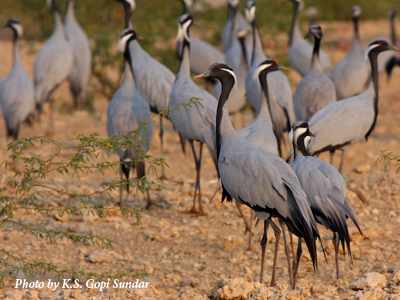
The unprecedented loss of up to 8,000 Eurasian Cranes to an H5N1 highly pathogenic avian influenza virus in Israel’s Hula Valley in December 2021 was a tragic example of the potential for this virus to sicken wild birds and now cranes in particular.

“Welcome Siberian Cranes to their wintering area in Kuixiang, Guangdong Province” by Long Baichuan If a picture is worth a thousand words, an image of a crane is visual poetry. Cranes are beautiful and elegant large wading birds found on every continent except South America and Antarctica. East Asia has the largest number of crane species in the world, with nine of the 15 species. Cranes also have special cultural significance in East Asia, especially in China, South Korea and Japan. However, cranes continue to face increasing threats, including climate change, habitat degradation and loss, human disturbance, and are at risk of population decline or even extinction in the wild.
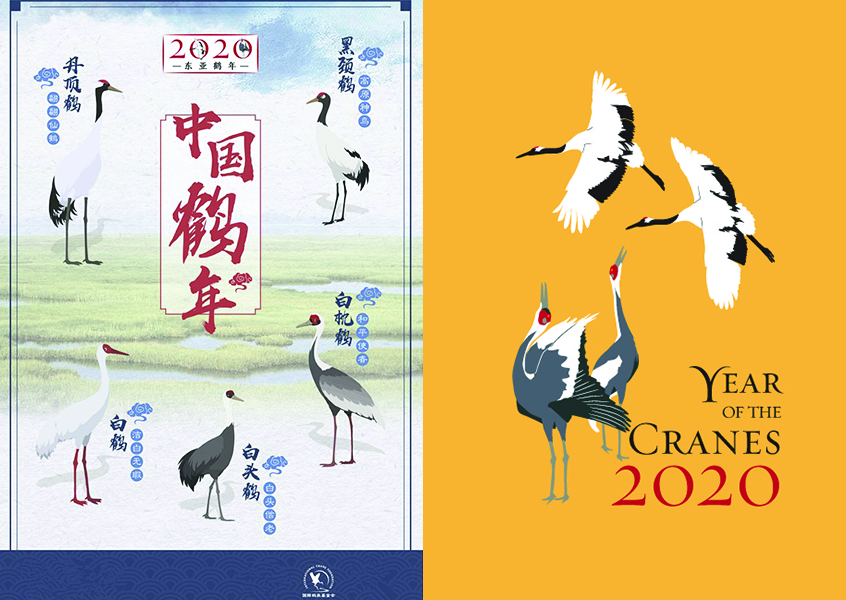
[vc_row][vc_column][vc_column_text]In October 2019 our Vice President International Asia – Spike Millington introduced 2020 as the “Year of the Cranes” at the International Workshop on Crane Conservation in East Asia convened in Beijing, China. Read more about the workshop. The campaign aims to leverage public, political, and financial support for crane and wetland conservation.

Welcome to Week 4 of Quarantine with Cranes! Over the next few months, the International Crane Foundation will provide activities for you and your loved ones to do from the safety of your home. This week’s activities focus on one of the world’s fifteen crane species, the Red-crowned Crane. See Week 3 of Quarantine with Cranes here.
No results found.
Adjust the filters and try again.