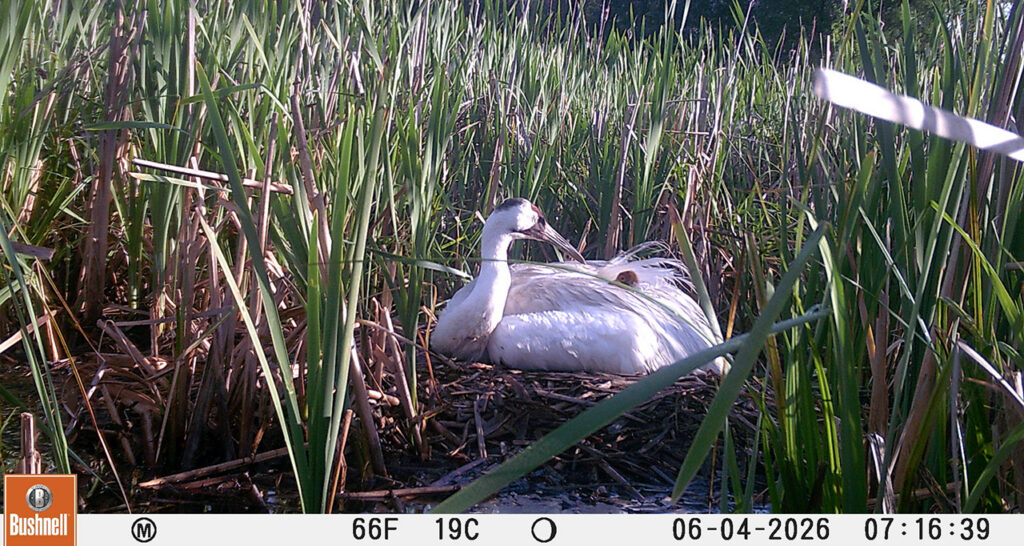
We are excited to announce that there are four new Whooping Cranes flying over the wetlands of Wisconsin! Each spring, Whooping Cranes return to their home marshes, pile vegetation high to build their nests, and carefully lay up to two eggs. They incubate their eggs for about a month, and then fuzzy little Whooping Crane chicks hatch.

In September, three parent-reared Whooping Cranes were released into the Eastern Migratory Population!

Celebrating five years of community and conservation, the Great Midwest Crane Fest returns Nov. 14 & 15. For tickets and more information, visit www.greatmidwestcranefest.org

The International Crane Foundation will receive a $25 donation for each registered new plate and every time you renew your license plate in the future. By doing so, you can show your support for cranes and give an easy recurring gift to support our work with Sandhill and Whooping Cranes in Wisconsin.

More than 300 pupils from 18 schools took to the streets of Kitale on Friday as the Kenya Crane Festival brought together communities, conservationists, and county leaders to celebrate the Grey Crowned Crane and call for stronger protection of the wetlands on which the endangered bird depends.
We are excited to announce that there are four new Whooping Cranes flying over the wetlands of Wisconsin! Each spring, Whooping Cranes return to their home marshes, pile vegetation high to build their nests, and carefully lay up to two eggs. They incubate their eggs for about a month, and then fuzzy little Whooping Crane chicks hatch.

On September 9, 2026, the Government of Mongolia awarded Dr. George Archibald, Co-founder of the International Crane Foundation, the Medal of Nairamdal (Friendship) in recognition of his more than three decades of contribution to crane and wetland conservation and international cooperation in Mongolia.

During August, two more Whooping Crane chicks reached fledging age in the Eastern Migratory Population!
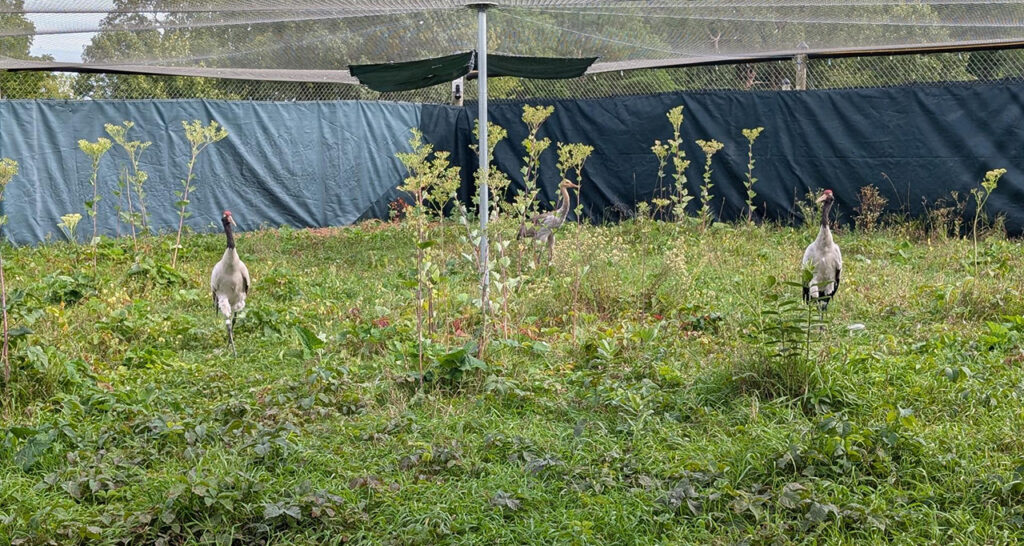
On the opposite end of Crane City lives a pair of female Black-necked Cranes, Gimli and Glacier. Over the past several years, Gimli and Glacier have laid eggs and have done a fantastic job incubating valuable Whooping Crane eggs. Still, it was high time for them to shine by helping out their own species and raising a chick of their own, preferably a male.
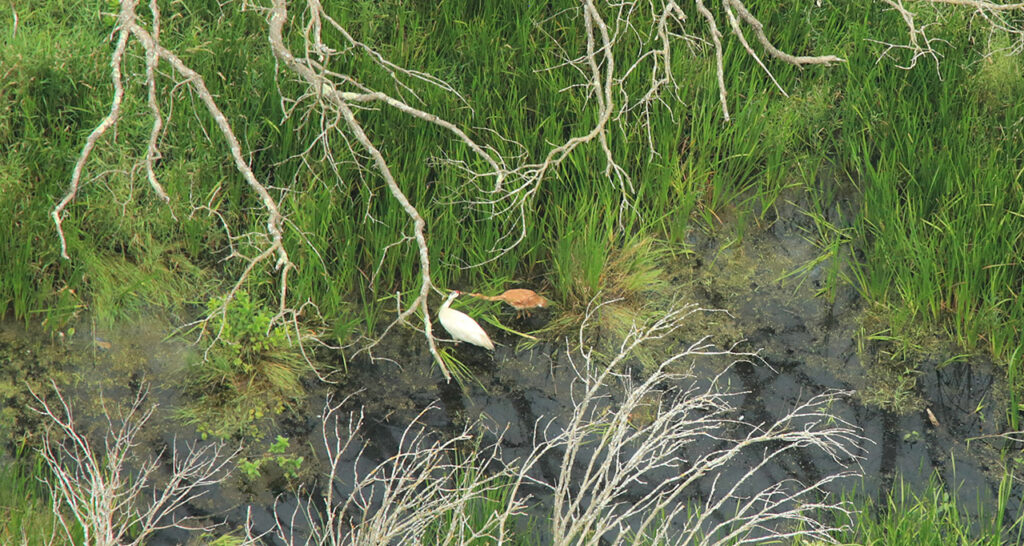
In July, the year’s first two chicks fledged in the Eastern Migratory Population!
No results found.
Adjust the filters and try again.