Kenya
Saving Kenya’s Vital Wetlands and Cranes
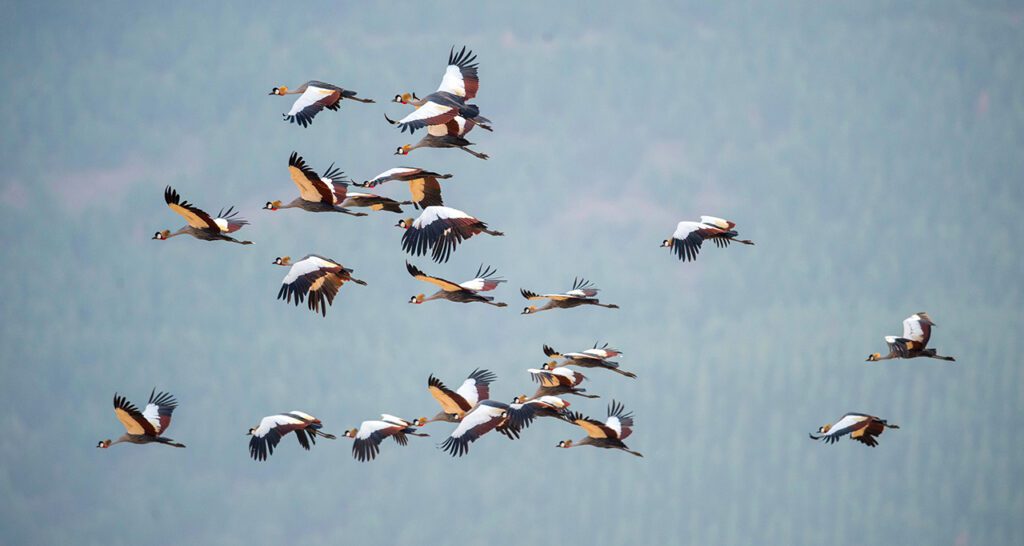
Formerly abundant in Kenya, Grey Crowned Cranes are now classified as globally Endangered on the IUCN Red List of Threatened Species, and the Kenya population has decreased to only 12,000 birds, far fewer than in the past. The health of crane populations is an indicator of the overall health of a region’s wetlands. Healthy wetlands—those with minimal disturbance, limited agricultural encroachment, and well-managed catchments—provide places for cranes to feed, roost, and raise their chicks, along with safe drinking water and abundant resources for local communities.
The most immediate threat to Kenya’s wetlands comes from agricultural encroachment and the degradation of their catchments. Facing greater competition for space and shrinking harvests, farmers have been forced to convert wetlands to agriculture or encroach on them to meet their livelihood needs. As communities increase their dependence on wetland resources, cranes come into more frequent contact with people, livestock, and dogs, which causes them to become increasingly stressed. As cranes spend more time watching for potential threats, they spend less time nesting and caring for chicks, thereby reducing their reproductive success. The theft of crane eggs for food and the capture of cranes for illegal wildlife trade have also slowed population growth.
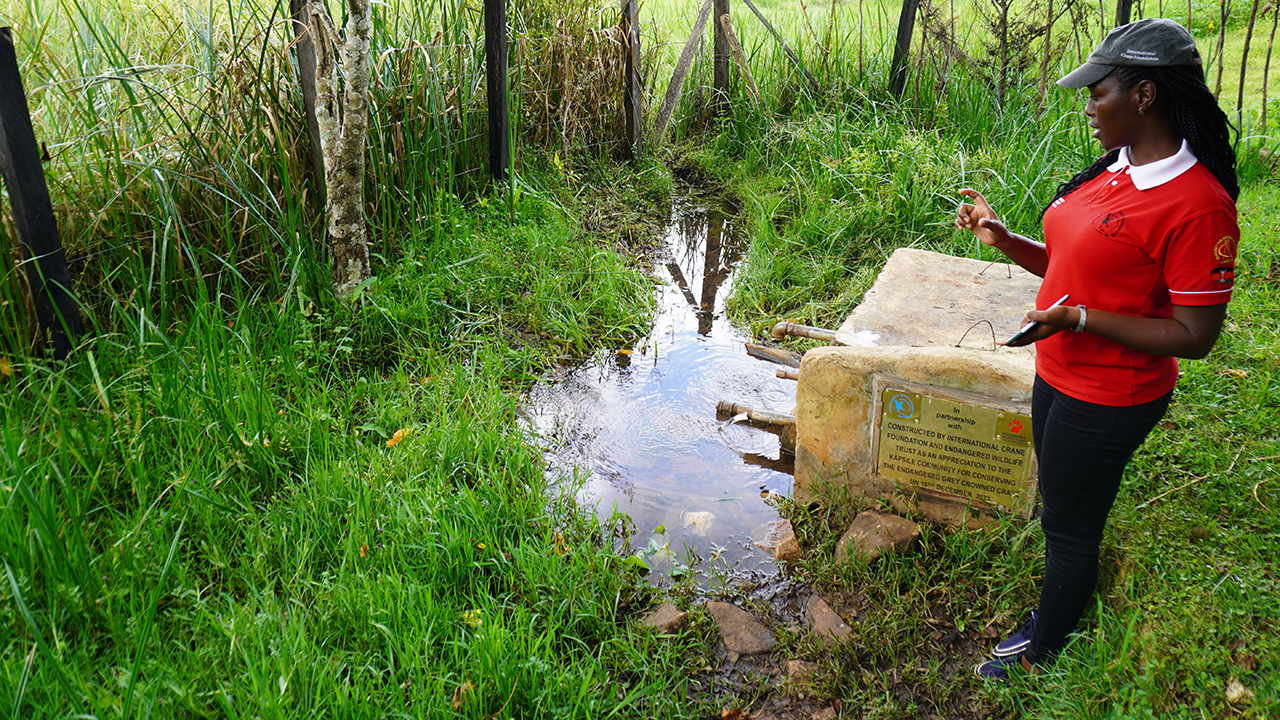
Senior Field Officer Eva Tokoi shares an improved outlet for a freshwater spring. Rather than going deep into the wetland to collect water, community members now use the spring outlet to safely provide water for their families while reducing disturbance to cranes. Sara Gavney Moore/International Crane Foundation
Our Integrated Plan
To secure wetlands for people and wildlife in Kenya, we must address both the prevalence of poor agricultural practices in the catchment and the root causes of those practices—namely, the socioeconomic factors that have forced people to encroach on the ecosystem to preserve their own livelihoods.
That is why the International Crane Foundation—in collaboration with local governments, community groups, and other organizations throughout Kenya and around the world—commits to conservation strategies that focus on the agricultural productivity and well-being of the people who share their lands with cranes and wetlands.
We are implementing our vision with a particular focus on promoting community-based conservation of cranes and key habitats and countering illegal trade and domestication. Kenya is one of the most important breeding strongholds for the species, and our signature work includes integrating sustainable livelihoods with wildlife-friendly, sustainable, climate-smart agriculture and spring source protection points, while also restoring the ecological integrity of wetlands, their buffer zones, and their catchments.
Together, the International Crane Foundation and Kenyan farmers are developing innovative conservation approaches that provide people with nutritious food, natural resources, and clean water—and give cranes the space and resources they need to thrive.
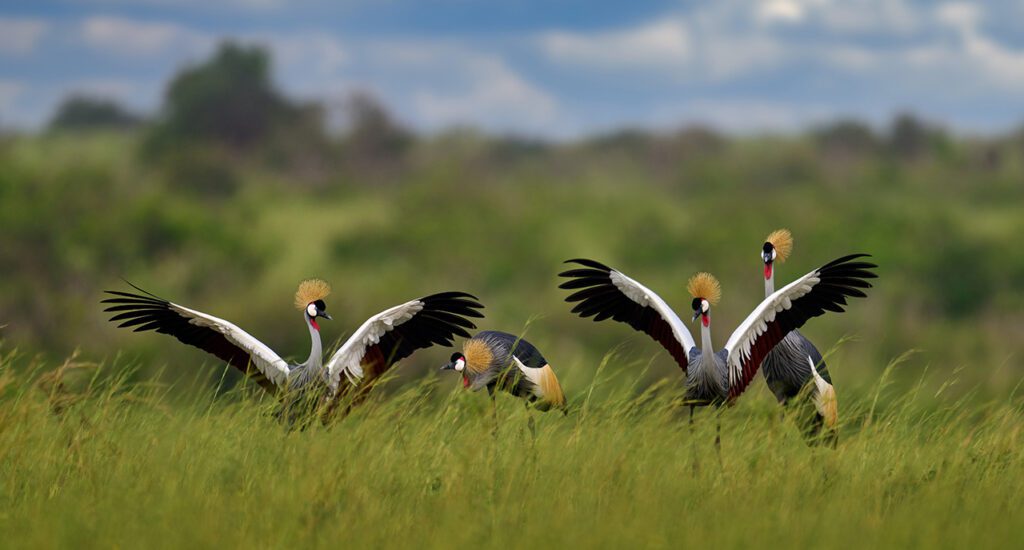
Top photo: Grey Crowned Cranes forage near a healthy wetland buffer zone. Photo by Ufulu Studios
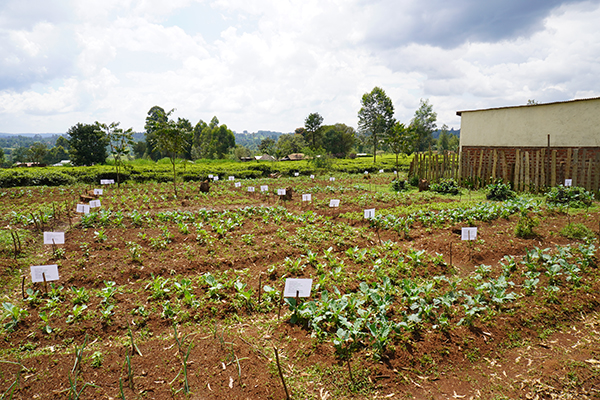
This demonstration farm in Nandi County, Kenya, is used by local farmers to test different climate-smart crops and growing techniques. Sara Gavney Moore/International Crane Foundation
How do you secure Kenya’s beloved Grey Crowned Cranes, sitatunga, and other threatened wildlife that depend on healthy wetlands and agricultural landscapes for survival?
This successful approach to conservation will be shared by Kerryn Morrison, the International Crane Foundation/Endangered Wildlife Trust Partnership’s Vice President of Africa Programs, during the 9th Session of the Meeting of the Parties of the African-Eurasian Migratory Waterbird Agreement (AEWA MOP9) held from November 11-14 in Bonn, Germany.

A local grassroots celebration of cranes has now grown into a national platform for education, cultural exchange, and conservation action.